
Side Dishes
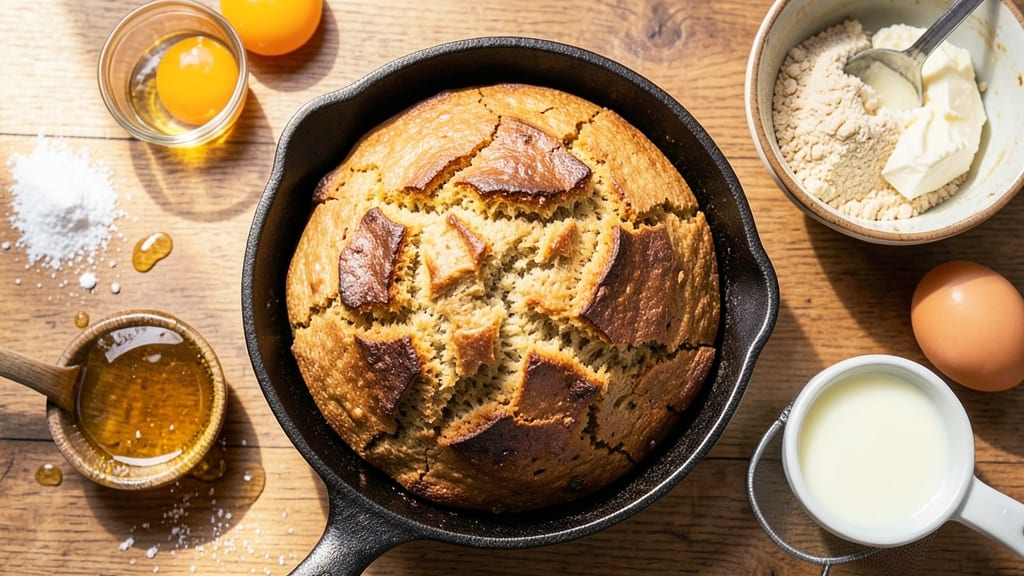
This almond flour soda bread recipe delivers the perfect balance of nutty crunch and pillowy softness—all without yeast or gluten. The secret lies in the almond flour’s natural moisture retention and the baking soda’s lift, creating a tender crumb with a crisp exterior.
I developed this recipe after struggling to find a reliable almond flour bread that didn’t turn dense or dry.
The beauty of this method is its simplicity: just five core ingredients—almond flour, baking soda, eggs, a touch of honey, and a splash of milk—come together in minutes. No kneading, no waiting for yeast to rise, and no specialized equipment.
The result? A loaf that’s naturally sweet, lightly crisp on the outside, and soft enough to melt in your mouth.
What sets this apart is the texture—rich, moist, and slightly chewy, with a subtle almond flavor that pairs beautifully with soups, charcuterie boards, or even toasted with butter.
The bread stays fresh for days, making it ideal for meal prep or gifting. Plus, it’s naturally vegetarian, gluten-free, and grain-free, perfect for dietary restrictions without sacrificing flavor.
For extra depth, consider adding seeds like flax or sunflower, or herbs like rosemary or thyme. The possibilities are endless, but the base recipe is foolproof—guaranteed to impress whether you’re baking for a crowd or treating yourself to a simple, satisfying loaf.
Ingredients for almond flour soda bread
Five core ingredients transform into a loaf with nutty crunch and pillowy softness—no yeast required.
| Ingredient | Amount | Notes |
|---|---|---|
| Almond Flour 🥜 | 2 ½ cups | Finely ground, unsweetened preferred |
| Baking Soda 🍞 | 1 tsp | Freshly opened for optimal lift |
| Large Eggs 🥚 | 2 whole | Room temperature for even mixing |
| Raw Honey 🍯 | ¼ cup | Wildflower or clover preferred |
| Unsalted Butter 🧈 | ½ cup | Cold, cubed for easier mixing |
| Whole Milk 🥛 | ¼ cup | Room temperature for smooth batter |
| Diamond Crystal Kosher Salt 🧂 | ½ tsp | Adjust to taste after baking |
| Vanilla Extract 🌿 | 1 tsp | Pure, high-quality preferred |
| Ground Flaxseeds 🌾 | ¼ cup | Optional for nutty depth |
Almond flour is the foundation here, so quality matters. Bob's Red Mill or Anthony's Goods are my go-tos—their fine grind ensures the perfect texture. Avoid pre-ground flour that's been sitting in your pantry for months; freshness is key for that tender crumb. The baking soda must be freshly opened—old baking soda loses its lift, leading to dense bread. For the honey, raw and unfiltered varieties like wildflower or clover add subtle floral notes that complement the almond flavor. If you can't find raw honey, agave nectar works in a pinch—just reduce the amount slightly due to its higher moisture content.
No butter? Coconut oil or avocado oil are excellent substitutes, though the texture will be slightly denser. The milk can be swapped for almond milk or oat milk, but whole milk's fat content helps create that signature pillowy texture. For extra depth, toasted flaxseeds add a nutty crunch and boost fiber content—simply dry-toast them in a pan for 3-5 minutes before grinding. The vanilla extract enhances the almond flavor, but if you're out, vanilla bean paste or even a splash of almond extract will work. For a savory twist, omit the honey entirely and add a pinch of rosemary or thyme to the batter.
This bread stays fresh for 4-5 days at room temperature, wrapped in a clean kitchen towel to maintain moisture. For longer storage, slice and freeze portions for up to 3 months—perfect for quick toast or sandwiches. To reheat, wrap slices in foil and warm in a 350°F oven for 5-7 minutes. The bread freezes beautifully, making it ideal for meal prep. For serving, lightly toast slices with a pat of butter or drizzle with melted honey for an extra touch of indulgence.
Why You'll Love This Recipe
- No Mixer Needed: I swear by this—just toss the almond flour, baking soda, and eggs in a bowl. No sifting, no kneading, no fuss. The butter gets cut in with a fork, and the honey ties it all together in minutes. Honestly, it’s the kind of recipe that makes me feel like I’ve earned my afternoon coffee.
- Rich Without Sugar: That raw honey isn’t just sweet—it’s deep, caramel-like, and lingers on your tongue. The almond flour keeps it moist but not heavy, and the baking soda gives it that classic soda bread rise without tasting like baking powder. Between us, it’s the kind of bread that disappears faster than my willpower on a Sunday morning.
- Breakfast, Lunch, Snack: I’ve eaten this toasted with butter, sliced for sandwiches, and even cubed into salads. The texture holds up everywhere—no crumbling, no soggy edges. It’s my go-to for quick meals when I’m too tired to think, and my kids fight over the last slice. (Yes, even on a Tuesday night.)
- Leftovers That Last: This bread keeps for days in the fridge, and I’ve even frozen slices for when I’m in a rush. The almond flour means it doesn’t dry out like regular bread, and the honey keeps it tasting fresh. Plus, the butter makes every slice feel like a treat—so I’m not guilty when I grab a second one.
Step-by-step instructions for almond flour soda bread
Here's the precise method to achieve that signature nutty crunch with a tender crumb—no yeast required.
Whisk Wet Ingredients for a Smooth Batter
In a medium mixing bowl, combine the 2 whole Large Eggs and 0.25 cup Raw Honey. Whisk vigorously for 1-2 minutes until the mixture lightens in color and becomes slightly foamy. This step incorporates air, which creates the bread's signature pillowy texture.
Add the 0.5 cup Unsalted Butter, cut into small cubes, and whisk until fully melted and incorporated. The butter should blend smoothly without any visible lumps. If the mixture feels too thick, add 1 tablespoon of the 0.25 cup Whole Milk at a time until it reaches a pourable consistency. The batter should coat the back of a spoon but still flow freely.
Mix Dry Ingredients and Combine Gently
In a separate large bowl, sift together the 2.5 cups Almond Flour, 1 tsp Baking Soda, 0.5 tsp Diamond Crystal Kosher Salt, and 0.25 cup Ground Flaxseeds. The baking soda is critical here—it activates immediately when combined with the wet ingredients, creating the bread's signature lift without yeast.
Pour the wet mixture into the dry ingredients and fold gently with a rubber spatula until just combined. Avoid overmixing—you should still see some streaks of almond flour. The 1 tsp Vanilla Extract should be added last and folded in until evenly distributed. The batter will be thick but manageable, similar to a dense cookie dough.
Prepare the Loaf Pan and Bake
Preheat your oven to 350°F and lightly grease a 9x5-inch loaf pan with nonstick spray or softened butter. Line the bottom with parchment paper for easy removal. Pour the batter into the prepared pan and smooth the top with a spatula. The batter will rise slightly as it bakes, so don't overfill the pan.
Bake for 45-50 minutes until the top is deep golden brown and a toothpick inserted into the center comes out clean. The bread should spring back slightly when pressed but not feel overly dense. If the top browns too quickly, tent loosely with foil to prevent over-browning while ensuring the interior cooks through.
Cool and Serve for Optimal Texture
Remove the bread from the oven and transfer it to a wire rack to cool for 10-15 minutes. This resting period allows the internal structure to set, preventing a gummy texture. The bread will firm up as it cools, but the crumb will remain tender and slightly moist.
Slice the bread while still warm for the best texture—each slice should reveal a fine, crumbly interior with a crisp exterior. The nutty flavor from the almond flour will be most pronounced when served fresh. Store any leftovers in an airtight container at room temperature for up to 3 days, or freeze for longer storage.
Pro Tips For Making Almond Flour Soda Bread
- MEASURE ALMOND FLOUR BY WEIGHT: Almond flour packs differently—using volume (cups) leads to dry, dense bread. Weigh it out instead (1 cup ≈ 100g). I learned this after my first batch turned into a brick.
- LET THE BUTTER COOL: Softened butter is key, but not melted. If it’s too warm, the bread spreads and collapses. Stick it in the fridge for 10 minutes after microwaving—your oven will thank you.
- DON’T OVERMIX THE BATTER: Almond flour develops gluten-like structure when overworked, making the bread tough. Stir just until combined—about 10 strokes max. I used to mix until my arm ached, and the texture suffered.
- BAKE UNTIL GOLDEN, NOT DONE: The crust darkens fast, but the center stays undercooked. Check at 30 minutes with a skewer—it should come out clean but still slightly moist. Overbaking turns it dry, and almond flour bread won’t bounce back.
Wine and beer pairings for this dish
Crisp Whites
Almond flour’s nutty richness pairs beautifully with bright, crisp white wines that cut through its density. A dry Riesling from Germany—like Dr. Loosen Blue Slate—is my go-to choice. Its zesty acidity and hints of green apple and citrus complement the bread’s subtle sweetness while balancing the almond’s natural richness.
The wine’s slight minerality also echoes the nutty undertones in the bread, creating a harmonious match. 🍷
Light Beers
For beer lovers, a Belgian Witbier like Hoegaarden or Stella Artois works wonderfully with this bread. The beer’s effervescent quality and coriander notes refresh your palate after each bite, while its light maltiness enhances the almond flavor without overpowering it.
If you prefer something bolder, a pilsner with its crisp, clean finish provides a refreshing contrast to the bread’s richness.
Sweet Wine Pairings
If you’re serving this bread with jam or honey, a Moscato d’Asti or Riesling Kabinett adds a delightful sweetness that bridges the gap between the bread and toppings. The wine’s floral and fruity notes—think peach and apricot—echo the honey in the recipe, creating a cohesive, dessert-like experience.
Serve slightly chilled to let the wine’s brightness shine alongside the bread’s nutty warmth.
Savory Add-Ons
For a savory twist, add smoked paprika or rosemary to the batter and pair with a dry Spanish Albariño or a crisp Sauvignon Blanc. The wine’s herbal and citrusy notes complement the earthy spices, while its acidity keeps the bread’s richness in check.
This pairing works especially well with the bread served alongside charcuterie or as a side to roasted meats.
Coffee or Tea
If you prefer non-alcoholic options, a lightly roasted coffee or Earl Grey tea pairs surprisingly well. The coffee’s bitterness balances the bread’s sweetness, while the tea’s bergamot notes add a refreshing contrast.
Both options enhance the almond’s natural nuttiness without competing for attention. Serve the bread warm with a pat of butter and a cup of freshly brewed coffee for a cozy, satisfying treat.
Nutrition facts
Frequently asked questions
Why does my almond flour soda bread turn out dense instead of light and airy?
Overmixing the batter is the #1 culprit—it develops too much gluten, making the bread tough. Mix just until combined (about 10-12 folds), and use fresh baking soda (old baking soda loses lift). Also, ensure your almond flour is finely ground and not clumpy. For extra airiness, whisk the eggs and honey vigorously for 2 minutes before mixing.
Can I make this bread without eggs for a vegan version?
Yes! Replace the 2 eggs with 2 flax eggs (2 tbsp ground flaxseed + 6 tbsp water, rested for 5 minutes) or 1/4 cup unsweetened applesauce. The texture will be slightly denser but still delicious. For best results, also add 1 extra tbsp of milk to compensate for the moisture loss. Let the batter rest 10 minutes before baking to thicken.
How do I prevent the bread from cracking on top?
Cracking happens when the batter rises too quickly in the oven. To fix this, score the top with a sharp knife (cutting a shallow "X" or line) before baking. Also, avoid overfilling the pan—leave 1/2 inch headspace for expansion. If your kitchen is humid, bake with the oven door slightly ajar for the first 15 minutes to slow the rise.
What’s the best way to store leftovers to keep them fresh?
Wrap the cooled loaf tightly in a clean kitchen towel (better than plastic for moisture retention) and store at room temperature for 3-4 days. For longer storage, slice and freeze portions for up to 3 months. To reheat, wrap slices in foil and warm at 300°F for 5-7 minutes—this revives the crispy exterior without drying out the crumb.
Can I add chocolate chips or nuts to this recipe?
Fold in 1/2 cup dark chocolate chips or 1/2 cup chopped walnuts/pistachios with the vanilla extract. For even distribution, gently press them into the batter with your fingers. Pro tip: Toast nuts first for 3-5 minutes at 350°F to enhance flavor. Avoid overloading—too many add-ins can make the bread dry.