
Side Dishes
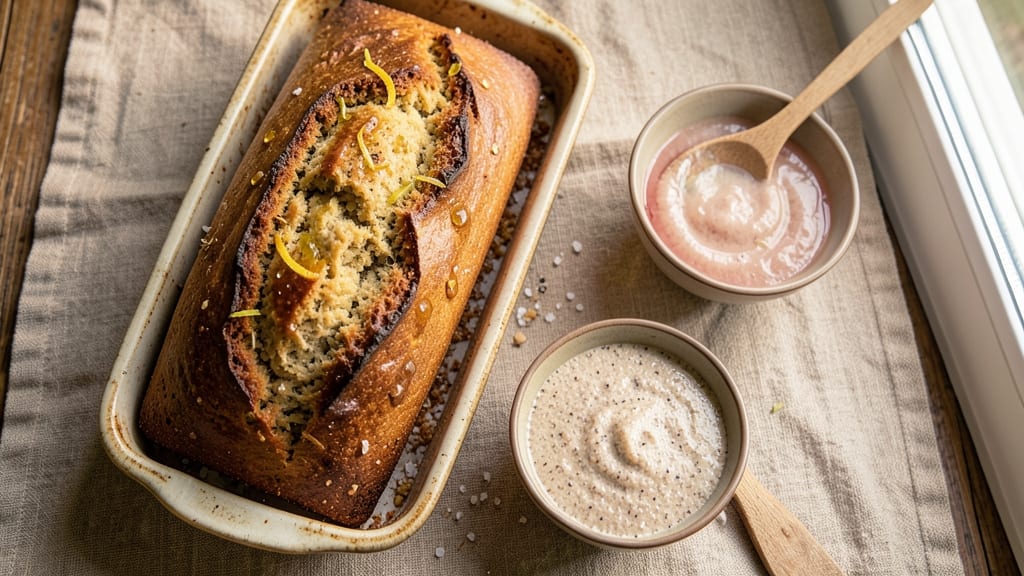
This almond flour bread loaf recipe delivers a moist, sturdy crumb without a single knead or long rise.
After years of perfecting plant-based baking, I’ve developed a no-knead method that uses almond flour’s natural binding power to create a loaf with a tender crumb and crisp edges—all in just 3 hours.
The secret lies in hydration balance and a slow bake, ensuring it doesn’t dry out like many gluten-free loaves tend to do.
The recipe relies on almond flour as the primary grain substitute, which adds richness and a delicate nutty flavor while keeping the texture surprisingly light. Unlike traditional bread, this loaf requires no yeast or dairy, making it ideal for vegan diets.
The ingredients list is straightforward—just almond flour, psyllium husk powder (for structure), and a few pantry staples—but the technique is where the magic happens.
By the time it emerges from the oven, you’ll have a golden-brown loaf with a crisp exterior and a tender, slightly chewy interior. The texture holds up beautifully for toasting, making it perfect for breakfast or pairing with soups and spreads.
It’s the kind of bread that proves gluten-free doesn’t mean sacrificing quality.
Optional variations include adding seeds (chia, flax, or sunflower) for extra crunch or herbs like rosemary for a savory twist. Store at room temperature for up to 3 days or freeze for longer shelf life. Let’s get baking!
Ingredients for almond flour bread loaf
Almond flour’s natural binding power meets psyllium husk for a gluten-free loaf that rivals traditional bread.
| Ingredient | Amount | Notes |
|---|---|---|
| Almond Flour 🌰 | 3 cups | Superfine, unsweetened preferred |
| Psyllium Husk Powder 🌿 | 2 tbsp | Unflavored, for structure |
| Extra-Virgin Olive Oil 🫒 | ½ cup | Cold-pressed for richness |
| Water 💧 | 1 ½ cups | Room temperature preferred |
| Apple Cider Vinegar 🍏 | 1 tbsp | For activation |
| Salt 🧂 | 1 ½ tsp | Diamond Crystal preferred |
| Maple Syrup 🍁 | 2 tbsp | Grade B for depth |
| Active Dry Yeast 🍞 | ¼ tsp | Optional for slight rise |
| Chia Seeds 🌱 | 1 tbsp | Optional for texture |
| Sunflower Seeds 🌻 | 1 tbsp | Optional for crunch |
| Rosemary Leaves 🌿 | 1 tsp | Fresh, finely chopped |
For the almond flour, Bob’s Red Mill or Anthony’s Goods brands deliver the finest grind, crucial for that tender crumb. Psyllium husk powder is non-negotiable—Barlean’s organic version works best. The olive oil should be cold-pressed and fruity, like California Olive Ranch. I always measure the water precisely at room temperature; cold water can inhibit the psyllium’s activation. The apple cider vinegar adds subtle tang while activating the psyllium fibers for that perfect structure. Salt matters here—Diamond Crystal dissolves more cleanly than table salt.
No psyllium husk? Xanthan gum at half the amount can substitute, though texture will differ slightly. Swap maple syrup for agave nectar if preferred, though maple adds depth. The optional yeast is for a slight rise—omit entirely for a dense, crackly loaf. Seeds and herbs are flexible: flaxseeds or pumpkin seeds work instead of sunflower, and thyme or oregano can replace rosemary. For a savory twist, add 1 tsp nutritional yeast—it mimics cheesy notes beautifully.
This loaf keeps best in an airtight container at room temperature for 3 days, though it’s best enjoyed fresh. For longer storage, wrap tightly in parchment and freeze for up to 3 months. Reheat slices in a toaster or oven at 350°F for 5 minutes to restore crispness. The psyllium-based structure means it holds up better than most gluten-free breads, making it ideal for sandwiches or toast. Store seeds and herbs separately if using—add them fresh before baking for maximum flavor.
Why You'll Love This Recipe
- No Mixer Needed: I swear by this recipe when I’m too tired to knead—just stir, shape, and bake. The psyllium husk does all the heavy lifting, binding everything together with zero fuss.
- Nutty Comfort: That first bite? Rich, buttery almond flavor with a subtle tang from the apple cider vinegar—like a cross between sourdough and a marcona almond cookie. Honestly, I’ve caught myself eating slices straight from the pan.
- Meal Prep MVP: Slices beautifully for sandwiches, toasts into crispy crostini, or packs perfectly for lunchboxes. Between us, it’s my go-to for when I need something that won’t turn to mush in my bag.
- Budget-Friendly Luxury: Uses pantry staples and stretches far—one loaf feeds my family for days. The almond flour might seem pricey upfront, but it’s cheaper than buying pre-sliced artisanal bread that crumbles by Wednesday.
Step-by-step instructions for almond flour bread loaf
Here's how to create a perfectly structured gluten-free loaf using almond flour's natural binding properties.
Activate the Psyllium Husk Powder
In a medium bowl, combine the 2 tablespoons psyllium husk powder with the 1.5 cups water and 1 tablespoon apple cider vinegar. Whisk vigorously for 30 seconds until you achieve a thick, gel-like consistency. This activation process is critical—it creates the structural backbone that replaces gluten in traditional bread.
Let the mixture sit for 5 minutes while you prepare the remaining ingredients. You'll notice it thickens significantly during this time, forming a translucent gel. This is your signal that the psyllium is properly hydrated and ready to bind the almond flour mixture. If it remains too thin after 5 minutes, add 1 teaspoon more psyllium husk powder and whisk again.
Mix Wet and Dry Ingredients
In a large mixing bowl, combine the 3 cups almond flour, 1.5 teaspoons salt, 2 tablespoons maple syrup, and 0.25 teaspoon active dry yeast (if using). Whisk these dry ingredients together until fully blended and no flour pockets remain. The almond flour should be sifted beforehand to prevent clumping, which ensures an even texture throughout the loaf.
Create a well in the center of the dry mixture and pour in the activated psyllium gel. Add the 0.5 cup extra-virgin olive oil and the 1 teaspoon finely chopped rosemary leaves. Using a sturdy spatula, gently fold everything together until just combined. Avoid overmixing—you want to preserve the delicate air pockets created by the psyllium activation. The batter should be thick but pourable, similar to pancake batter in consistency.
Incorporate Seeds and Rest the Dough
Gently fold in the 1 tablespoon chia seeds and 1 tablespoon sunflower seeds using a silicone spatula. These additions provide texture contrast and nutritional balance. Transfer the dough to a greased 8x4-inch loaf pan, smoothing the top with a wet spatula to remove any air bubbles. The dough will be quite thick and may not fill the pan completely—this is normal with almond flour.
Cover the loaf pan tightly with plastic wrap and let it rest at room temperature for 1 hour. This resting period allows the psyllium to fully hydrate and the almond flour to absorb the moisture, resulting in a more cohesive structure. During this time, preheat your oven to 350°F and position a rack in the lower third of the oven for even baking.
Bake to Golden Perfection
Remove the plastic wrap and bake the loaf for 45-50 minutes until the top is deep golden brown and a toothpick inserted into the center comes out clean. The bread will rise slightly during baking but should remain dense compared to traditional wheat bread. You may need to tent the loaf with aluminum foil after 30 minutes if the top browns too quickly, as almond flour can burn easily.
For the final 5 minutes of baking, increase the oven temperature to 375°F to create a crispier crust. This high-heat finish enhances the bread's texture and flavor. Remove from the oven and let the loaf cool in the pan for 10 minutes before transferring to a wire rack. The internal temperature should reach 205°F at the center when done.
Rest and Slice for Optimal Texture
Allow the bread to cool completely on a wire rack for at least 2 hours before slicing. This extended resting period is crucial for almond flour bread—it allows the structure to fully set and prevents a gummy texture. The bread will be dense but tender, with a slightly crisp crust that gives way to a moist interior.
Slice the loaf into 4 equal portions (about 1-inch thick) and serve at room temperature. The rosemary and sunflower seeds will add subtle earthy notes and textural contrast. Store any leftovers in an airtight container at room temperature for up to 3 days, or freeze for longer storage. The bread's flavor actually improves slightly over time as the almond flour develops deeper nutty notes.
Pro Tips For Making Almond Flour Bread Loaf
- Mix the Psyllium First: Mix the psyllium husk powder with the water and apple cider vinegar for at least 10 minutes before adding anything else—this lets it fully gel, which is what actually holds your loaf together. I used to just toss it in and wondered why my bread crumbled like wet sand.
- Use Fine Almond Flour: Skip the coarse grind—fine almond flour blends smoother and bakes more evenly, giving you that tender crumb instead of a gritty texture. If you’re using whole almonds, pulse them in bursts until they’re almost powder but not quite butter.
- Don’t Overmix the Dough: Once you fold in the olive oil, stop mixing after 2-3 strokes—overworking it makes the bread dense and chewy. The psyllium already binds everything; you’re just combining, not kneading.
- Bake at 350°F for 50 Minutes: No peeking! Bake the loaf at 350°F for the full 50 minutes—internal temp should hit 205°F. I learned this the hard way when I pulled mine early and ended up with a gummy center that needed another 20 minutes to finish.
Wine and beer pairings for these flavors
Crisp Whites
Almond flour bread’s nutty richness pairs beautifully with crisp, dry white wines that cut through its density. A Sauvignon Blanc from New Zealand—like Kim Crawford—is my go-to choice, thanks to its bright citrus and herbal notes that complement the rosemary and sunflower seeds.
The acidity refreshes your palate between each bite of the dense yet moist loaf. 🍷
Light-Bodied Reds
For a red wine option, opt for a light-bodied Pinot Noir from Oregon, such as Domaine Serene. Its delicate berry flavors and subtle earthiness mirror the bread’s nutty undertones without overpowering the subtle rosemary.
The wine’s silky texture also enhances the bread’s tender crumb, making it a sophisticated pairing for a savory meal.
Beer Pairings
A crisp Belgian Witbier, like Hoegaarden, is a fantastic beer match for this bread. The coriander and orange peel notes in the beer contrast beautifully with the almond flour’s richness, while the effervescence cleanses your palate.
For a more robust option, try a German Pilsner, such as Warsteiner, which balances the bread’s density with its crisp, hoppy finish. 🍺
Cocktail Pairings
For a refreshing non-alcoholic pairing, serve this bread with a sparkling rosemary lemonade. Mix 1 cup sparkling water, ½ cup fresh lemon juice, 2 tbsp maple syrup, and a few sprigs of rosemary.
The effervescence and citrus notes mirror the bread’s texture and subtle herbal flavors, creating a delightful contrast. For a boozy twist, add 1 oz gin to the mix.
Coffee and Tea
For a morning or afternoon pairing, enjoy this bread with a strong dark roast coffee, such as Peet’s Major Dickason’s Blend. The coffee’s bitterness balances the bread’s sweetness and nutty richness, while the caffeine enhances the rosemary’s aromatic qualities.
Alternatively, a chamomile tea with a hint of honey complements the bread’s subtle sweetness and soothing texture, making it a cozy pairing for any time of day.
Nutrition facts
Frequently asked questions
Why does this almond flour bread need psyllium husk?
Psyllium husk replaces gluten's structural role in traditional bread. When mixed with water and vinegar, it forms a gel that binds the almond flour, creating a cohesive crumb. Without it, the loaf would crumble—this is the secret to its sturdy yet tender texture!
Can I make this bread without yeast?
The recipe works perfectly without yeast—it creates a dense, crackly loaf with a crisp exterior. The psyllium husk and almond flour provide all the structure needed. For a slightly lighter texture, you can add the optional 0.25 tsp yeast, but it's not required.
How do I prevent the bread from drying out?
Almond flour absorbs moisture quickly, so don't overbake! Remove the loaf when the internal temperature reaches 205°F, and let it cool completely before slicing. For extra moisture, brush the crust with melted olive oil after baking. Store in an airtight container to maintain freshness.
What's the best way to add flavor variations?
Try these easy swaps: replace rosemary with 1 tsp dried thyme or oregano, or add 1 tbsp nutritional yeast for a cheesy flavor. For sweet versions, mix in 1 tbsp cinnamon and reduce maple syrup to 1 tbsp. Seeds like flax or pumpkin work well too!
Why does my almond flour bread taste bitter?
Bitterness usually comes from overbaking or using old almond flour. Bake until golden but not dark, and always use fresh almond flour (store-bought lasts 3 months; homemade lasts just 1 month). For extra richness, add 1 tbsp extra olive oil to the dough. Freshly toasted almond flour also reduces bitterness!