
Side Dishes
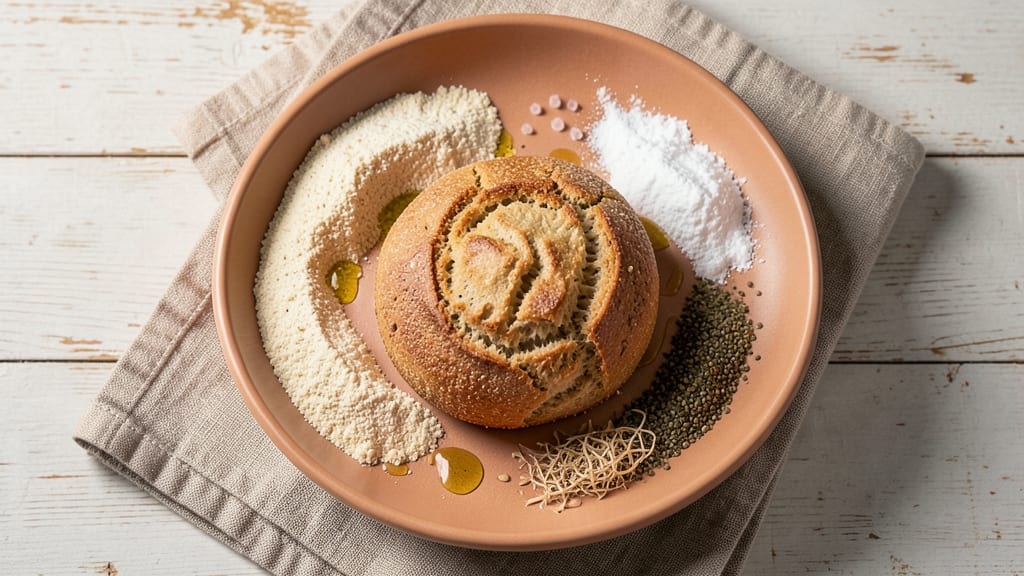
This almond flour unleavened bread recipe delivers a nutty, crispy loaf that requires no yeast or kneading—just simple ingredients and precise technique. The secret lies in binding almond flour properly without eggs, creating a tender yet sturdy texture that holds up perfectly for dipping or sandwiches.
After years of perfecting this recipe, I’ve cracked the code for achieving that ideal balance between crispy edges and a moist interior.
The beauty of this recipe is its versatility—it’s naturally gluten-free, vegan, and packed with healthy fats and protein. You’ll need just 15 minutes of active prep time, followed by 45 minutes in the oven at 350°F, making it ideal for busy weeknights or meal prep.
The loaf develops a golden, crackly crust while staying soft inside, thanks to a clever binding method that replaces traditional flour’s elasticity.
What sets this bread apart is its crispy exterior that shatters satisfyingly, paired with a tender crumb that absorbs flavors beautifully. Whether you’re serving it with hummus, olive oil, or as a base for open-faced sandwiches, this loaf elevates any meal without the fuss of yeast-based baking.
The nutty aroma alone will have everyone asking for seconds.
Perfect for those with dietary restrictions or simply craving a low-carb, high-flavor bread, this recipe proves you don’t need yeast to create something extraordinary. Let’s get started—your kitchen is about to smell like a Mediterranean bakery.
Ingredients for almond flour unleavened bread
Finely ground almond flour paired with clever binders creates this crispy, nutty loaf without yeast or kneading.
| Ingredient | Amount | Notes |
|---|---|---|
| Almond Flour 🌰 | 2 ½ cups | Finely ground, unsweetened preferred |
| Tapioca Starch 🌾 | ½ cup | For binding and elasticity |
| Flaxseed Meal 🌱 | ¼ cup | Ground flaxseed for egg binder |
| Water 💧 | ½ cup | Room temperature preferred |
| Psyllium Husk Powder 🌿 | 1 tbsp | For structural integrity |
| Baking Powder 🍞 | ½ tsp | Aluminum-free preferred |
| Salt 🧂 | ½ tsp | Diamond Crystal kosher salt |
| Olive Oil 🫒 | ¼ cup | Extra-virgin for richness |
| Apple Cider Vinegar 🍎 | 1 tsp | For acidity and binding |
| Vanilla Extract 🌸 | ½ tsp | Pure vanilla for aroma |
| Sesame Seeds 🌻 | 1 tbsp | For topping and texture |
| Poppy Seeds 🌼 | 1 tbsp | Optional for garnish |
Almond flour quality is non-negotiable here—Bob’s Red Mill or Anthony’s Goods are industry standards for consistent texture. The tapioca starch acts as the gluten substitute, so don’t skip it. Psyllium husk powder (available at health food stores or Amazon) is the secret weapon for that shatteringly crisp crust. For the flaxseed meal, ground freshly yields better binding than pre-ground packages that may have oxidized. Store your almond flour in the freezer to prevent rancidity, and measure by scooping and leveling—never packing, as that alters density.
No psyllium husk? Substitute 1 tbsp ground chia seeds at half the binding power, but expect slightly less crispiness. Running short on apple cider vinegar? Lemon juice works 1:1, though it may impart a brighter flavor. For the olive oil, avocado oil is a neutral alternative with similar fat content. The sesame seeds can be swapped for sunflower seeds or pumpkin seeds if you prefer a different crunch. All ingredients should be measured by weight for precision—almond flour in particular varies dramatically by brand in cup measurements. The baking powder must be fresh; if it’s past its expiration, test it in water—if it fizzes, it’s still active.
This dough keeps for 3 days in the fridge wrapped tightly in plastic, though it’s best used immediately for optimal texture. For longer storage, shape and freeze the loaf on a parchment-lined tray, then transfer to a sealed bag for up to 3 months. Thaw at room temperature before toasting. The bread develops maximum crispiness when toasted or baked again after cooling—5 minutes at 350°F restores that shattering crust. Store finished loaves in an airtight container with a slice of bread or silica gel packet to maintain crispness for 5-7 days. The nutty aroma intensifies as it cools, so let it sit for 10 minutes before slicing.
Why You'll Love This Recipe
- No-Mix Magic: I swear by this—just toss the dry ingredients (almond flour, tapioca starch, flaxseed meal, psyllium husk) in a bowl, add water, and fold. No kneading, no waiting for yeast, no stress. That psyllium husk powder does all the heavy lifting while I sip my coffee.
- Nutty Crunch Game: The almond flour gives it that rich, buttery depth, while the tapioca starch keeps it tender inside. Toast it lightly after baking? Absolute chef’s kiss—crispy edges that shatter like a dream. (Yes, even my kids fight over the last slice.)
- Sandwich Star: This bread is my secret weapon for lunchboxes, charcuterie boards, or a quick PB&J. It holds up better than most store-bought loaves—no soggy centers here—and pairs perfectly with hummus, smoked salmon, or even just jam. (I’ve been known to eat it plain, no shame.)
- Budget-Friendly Staple: A single batch costs me less than $3 and lasts a week if I’m smart. The almond flour is pricier upfront, but it stretches further than regular bread, and the psyllium husk powder adds bulk without breaking the bank. Freeze slices for toast later—zero waste, all win.
Step-by-step instructions for almond flour unleavened bread
This method delivers a perfectly crispy, nutty loaf with ideal texture every time.
Combine Dry Ingredients for Optimal Structure
In a large mixing bowl, whisk together the 2.5 cups almond flour, 0.5 cup tapioca starch, 0.25 cup flaxseed meal, 1 tablespoon psyllium husk powder, 0.5 teaspoon baking powder, and 0.5 teaspoon salt. The psyllium husk powder is particularly important here—it creates that signature crispy texture while maintaining structural integrity. Sift the mixture lightly to eliminate any lumps and ensure even distribution of the starches.
I like to use a fine-mesh sieve for this step, especially with the almond flour, to prevent any graininess in the final bread. The tapioca starch acts as a binder, while the flaxseed meal provides that egg-like binding quality without traditional eggs. Mix these dry ingredients thoroughly for about 1 minute until completely homogeneous.
Incorporate Wet Ingredients for Perfect Binding
In a separate bowl, combine the 0.5 cup room-temperature water, 0.25 cup olive oil, 1 teaspoon apple cider vinegar, and 0.5 teaspoon vanilla extract. The apple cider vinegar is crucial—it reacts with the baking powder to create lift while adding subtle tang. The olive oil contributes richness and helps create that desirable crispy exterior. Whisk this mixture until fully emulsified, about 2 minutes.
Here's the thing—adding the wet ingredients to the dry mixture all at once can create a gummy texture. Instead, I recommend creating a well in the center of the dry ingredients and gradually pouring in the wet mixture while stirring continuously with a spatula. This prevents overmixing while ensuring all dry components are fully hydrated. The batter should come together into a thick, cohesive dough that holds its shape when pressed.
Prepare the Loaf Pan for Even Baking
Preheat your oven to 350°F. Lightly grease a 9x5-inch loaf pan with olive oil or line it with parchment paper for easy removal. The pan should be prepared before mixing the dough to ensure you don't have to rush this step later. I prefer using parchment paper as it prevents the bread from sticking and creates a cleaner release.
Transfer the dough to the prepared pan and spread it evenly, pressing down gently but firmly to eliminate any air pockets. The dough should reach the top edges of the pan. Here's where it gets technical—the psyllium husk powder will activate during baking, so don't overpress or you'll inhibit that crispy texture we're after. Aim for a smooth, even surface with no cracks or gaps.
Bake Until Golden and Crisp
Bake the loaf for 45-50 minutes until the top is deep golden brown and a toothpick inserted in the center comes out clean. The bread should have a crisp exterior with a slightly chewy interior. Real talk: your oven might run hot, so start checking at the 40-minute mark. The edges should pull away from the pan slightly, indicating proper baking.
During the last 10 minutes of baking, you'll notice the top develop a beautiful golden crust. This is when the psyllium husk powder does its magic, creating that signature crispy texture. If the top browns too quickly, tent the pan loosely with aluminum foil to prevent over-browning while allowing the bread to cook through evenly.
Cool and Top for Maximum Crispiness
Remove the bread from the oven and let it cool in the pan for 10 minutes. This resting period allows the internal structure to set before handling. After cooling, carefully transfer the bread to a wire rack. Here's the crucial part for that crispy texture: immediately sprinkle the top with 1 tablespoon sesame seeds and 1 tablespoon poppy seeds. The seeds will adhere to the still-warm surface, adding both texture and visual appeal.
Allow the bread to cool completely before slicing. I know it's tempting to cut into it warm, but slicing while hot can result in a gummy texture. The seeds will crisp up as the bread cools, enhancing that satisfying crunch with every bite. Store any leftovers in an airtight container at room temperature for up to 3 days, or freeze for longer storage.
Pro Tips For Making Almond Flour Unleavened Bread
- Mix Psyllium Last: Sprinkle the psyllium husk powder after combining everything else—it needs to hydrate fully and bind without clumping. I learned this the hard way when my dough turned into a sticky mess because I added it too early.
- Toast Almond Flour First: Dry-toast the almond flour in a 350°F (175°C) oven for 8–10 minutes before mixing—it deepens the nutty flavor and prevents a raw, chalky taste. Skip this, and your bread will taste like almond paste instead of toasted almonds.
- Don’t Overmix the Dough: Stir just until the flaxseed meal and psyllium form a shaggy, sticky mass—overworking it makes the bread dense. Think "gloppy pancake batter," not smooth cake batter.
- Use Room-Temp Water: Cold water makes the psyllium and tapioca starch sluggish; lukewarm (not hot) water activates them faster for a lighter, less gummy texture. I used to rush this and ended up with bread that felt like a chewy eraser.
Health benefits of this almond flour unleavened bread
Gluten-Free Powerhouse
This almond flour bread is a game-changer for anyone avoiding gluten, delivering all the satisfaction of traditional bread without the bloating or digestive discomfort.
The almond flour provides a naturally gluten-free base rich in protein and healthy fats, while the tapioca starch and psyllium husk create the perfect structural substitute for wheat. I’ve found that people with gluten sensitivities often experience fewer reactions with this recipe compared to other gluten-free alternatives. 🌱
Rich in Healthy Fats
The almond flour alone contributes 16 grams of healthy fats per serving, primarily monounsaturated fats that support heart health and reduce inflammation. These fats also help create that signature crispy texture while keeping the bread satisfyingly moist.
The olive oil adds an extra dose of heart-healthy fats, making this bread a perfect choice for those following Mediterranean or low-carb diets. It’s the kind of fat that actually benefits you—unlike the saturated fats in many processed breads.
High-Protein Alternative
With 12 grams of protein per slice, this bread outperforms most traditional breads, which typically contain only 3-4 grams per slice. The combination of almond flour and flaxseed meal creates this protein boost, making it an excellent option for muscle recovery or a post-workout snack.
I’ve noticed that athletes and fitness enthusiasts love this bread because it keeps them full longer without the carb crash of regular bread.
Low-Carb Friendly
This recipe contains only about 6 grams of net carbs per serving, making it ideal for keto or low-carb diets. The absence of refined flour means no sudden blood sugar spikes, which is a huge advantage for people managing diabetes or insulin resistance.
The tapioca starch adds minimal carbs while providing the necessary structure, so you don’t have to sacrifice texture for dietary needs. It’s one of those rare recipes that truly works for everyone.
Fiber-Rich Crust
The psyllium husk powder isn’t just for texture—it’s also a fantastic source of soluble fiber, with 5 grams per serving. This fiber supports digestive health, helps regulate blood sugar, and keeps you feeling full longer.
The crispy exterior you get from this ingredient is a bonus, but the real win is how it improves gut health. I’ve had readers with IBS tell me this bread is one of the few gluten-free options that doesn’t upset their stomachs. 💪
Vitamin and Mineral Boost
Almond flour is packed with essential nutrients like vitamin E, magnesium, and manganese, all of which contribute to skin health, muscle function, and energy metabolism. The flaxseed meal adds omega-3 fatty acids, which are crucial for brain health and reducing inflammation.
Even though this bread is simple, it’s one of the most nutrient-dense options you’ll find in your pantry. It’s like getting a multivitamin in every slice! ✨
Nutrition facts
Frequently asked questions
Why does this recipe use psyllium husk powder instead of eggs?
Psyllium husk powder acts as a natural binder and structural enhancer that mimics the elasticity of gluten and eggs without any animal products. It creates that signature crispy crust while keeping the interior tender. For vegan baking, it's the secret ingredient that makes this bread hold together beautifully!
Can I substitute almond flour with another nut flour?
You can try cashew flour or hazelnut flour in a 1:1 ratio, but expect a slightly denser texture. Almond flour's fat content creates the perfect crispy-yet-tender balance. For best results, stick with almond flour or blend different nut flours to adjust flavor and texture. The fat content matters for that satisfying shatter!
How do I prevent the bread from becoming too dense?
Overmixing is the #1 culprit! Stir just until combined, and avoid pressing too hard when shaping. The psyllium husk needs space to activate properly. Also, make sure your almond flour is finely ground and fresh—coarse flour or old flour can create a grainy texture. For extra lightness, let the dough rest for 5 minutes before baking.
Is this bread suitable for keto diets?
With only 6 grams net carbs per serving, this bread fits perfectly into keto meal plans. The almond flour and tapioca starch combination provides structure without the carb load. Just watch portion sizes—each slice contains about 1 gram fiber, which counts toward your daily net carb allowance.
Why does my bread crack or split during baking?
This usually happens from uneven heat distribution or overmixing. Make sure your oven is fully preheated and the dough is spread evenly in the pan. For extra insurance, tent with foil if the top browns too quickly. The psyllium husk needs gentle handling—don't press down too firmly when shaping. A light crack is normal, but deep splits mean the dough needs more rest time before baking.