
Side Dishes
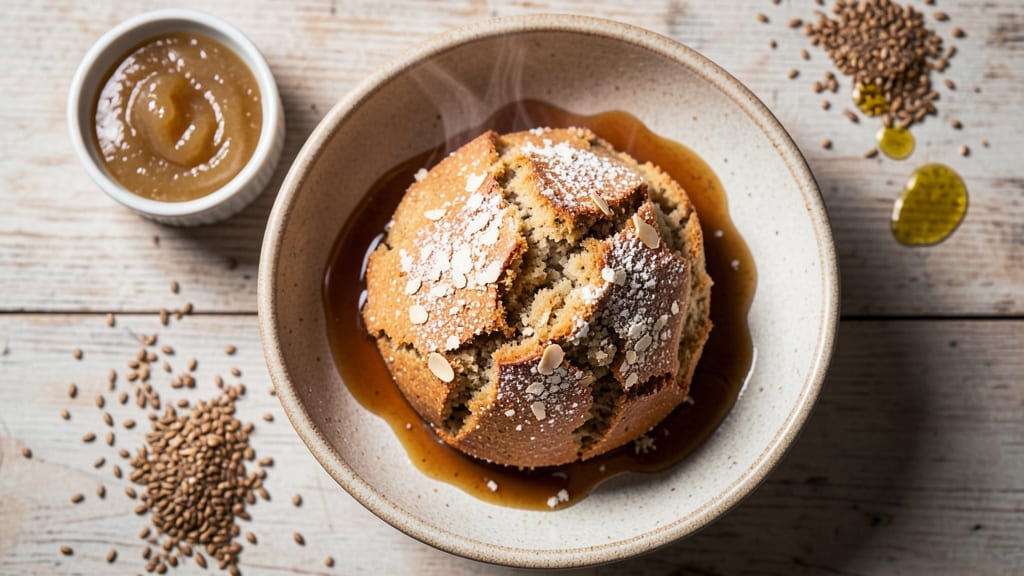
This almond flour bread recipe with psyllium husk delivers a gluten-free loaf with a crusty exterior and tender crumb—no wheat, no compromise. The psyllium husk acts as a natural binder, creating structure without gluten, while almond flour adds nutty depth and moisture retention.
I developed this recipe after years of testing gluten-free breads that either crumbled or tasted dry.
What sets this apart is the 350°F baking technique that ensures even browning and a perfect rise, thanks to the psyllium’s gelling properties. The dough comes together in 10 minutes of mixing, with no kneading required—ideal for busy bakers.
The key to success lies in properly hydrating the psyllium husk before combining it with the almond flour and other ingredients.
By the time it emerges from the oven, you’ll have a golden, crusty loaf with a slightly chewy interior, perfect for toast, sandwiches, or serving alongside soups. The nutty flavor pairs beautifully with jam, butter, or avocado, making it a versatile staple for any gluten-free pantry.
This recipe proves gluten-free baking can be just as satisfying as traditional bread.
For best results, let the bread cool completely before slicing to maintain its structure. Store in an airtight container for up to 5 days or freeze for longer storage.
The psyllium husk not only binds the dough but also extends freshness—no soggy slices here. Ready to bake your best gluten-free loaf yet?
Ingredients for almond flour bread recipe with psyllium husk
Psyllium husk and almond flour create a gluten-free masterpiece with perfect crusty texture and tender crumb—no wheat needed.
| Ingredient | Amount | Notes |
|---|---|---|
| Almond Flour 🌰 | 3 ½ cups | Finely ground, unsweetened preferred |
| Psyllium Husk Powder 🌾 | ½ cup | Organic preferred for purity |
| Unsweetened Almond Milk 🥛 | 1 ¼ cups | Room temperature for mixing |
| Flaxseed Meal 🌾 | ¼ cup | Ground flaxseeds for binding |
| Coconut Oil 🥥 | ½ cup | Melted for even distribution |
| Pure Maple Syrup 🍯 | ¼ cup | Grade B for molasses flavor |
| Apple Cider Vinegar 🍎 | 1 tbsp | Activates psyllium husk |
| Baking Powder 🍞 | 1 ½ tsp | Aluminum-free preferred |
| Sea Salt 🧂 | 1 ½ tsp | Fine grain for even flavor |
| Ground Cinnamon 🌿 | 1 tsp | Freshly ground for warmth |
| Sesame Seeds 🌱 | 2 tbsp | Toasted for crunchy topping |
| Water 💧 | ¼ cup | Warm for psyllium activation |
The almond flour is the star here—Bob’s Red Mill or Anthony’s Goods are my go-tos for consistent texture. Psyllium husk? Now Foods organic powder works like magic, but check the label for purity. The flaxseed meal should be freshly ground (or buy pre-ground) to maximize binding power. For the almond milk, Silk or Califia Farms unsweetened versions blend smoothly without altering flavor. Pro tip: Toast the sesame seeds in a dry pan for 2 minutes before adding—they’ll add an incredible crunch to your crust.
No psyllium husk? Chia seeds soaked in water (1 tbsp chia + 3 tbsp water = 1 tbsp psyllium) can substitute, though texture won’t be identical. Out of almond flour? Cashew flour works in a pinch, but expect a denser crumb. The apple cider vinegar is non-negotiable—it activates the psyllium for that perfect rise. No vinegar? Lemon juice at double the amount will work, but flavor will shift slightly. For the coconut oil, virgin, unrefined adds subtle flavor, while refined is neutral. The maple syrup can be swapped for agave nectar if you prefer a milder sweetness.
This dough comes together in 10 minutes but needs 2 hours of resting—don’t skip it! Store the dough in an airtight container in the fridge for up to 3 days or freeze for 3 months. The baked loaf keeps beautifully for 5 days at room temperature wrapped in a clean kitchen towel, or 1 week in the fridge. For longer storage, slice and freeze—perfect for quick gluten-free toast. The psyllium’s magic extends shelf life while maintaining that crusty exterior you crave.
Why You'll Love This Recipe
- No-Fuss Mixing: I swear by this—just toss almond flour, psyllium husk, and flaxseed meal into a bowl, then pour in the almond milk and coconut oil. The psyllium does all the heavy lifting, so no kneading, no waiting for dough to rise. Honestly, it’s the kind of recipe that makes me feel accomplished without any effort.
- Nutty & Toasty: That first bite? Rich, buttery almond flavor with a subtle crunch from the toasted almond flour—like a cross between sourdough and a croissant, but actually low-carb. The psyllium adds a satisfying chew, so it’s not dry or crumbly. (Yes, even on a Tuesday night.)
- Meal Prep MVP: This bread holds up for days—perfect for freezing in slices or stashing in the fridge for quick toast. I make a loaf on Sundays, and it’s still crispy enough for avocado toast by Friday. Between us, it’s my secret weapon for lazy mornings.
- Budget-Friendly Staple: Almond flour isn’t cheap, but a little goes a long way, and the psyllium stretches it into a whole loaf. I buy it in bulk, and the flaxseed meal adds extra protein without breaking the bank. Plus, one batch feeds my family for days—no wasted grocery trips here.
Step-by-step instructions for almond flour bread with psyllium husk
Here's how to create a gluten-free loaf with perfect rise and crispy texture—no shortcuts, just science-backed baking.
Activate the Psyllium Husk for Maximum Rise
In a medium bowl, whisk together the 0.5 cup psyllium husk powder and the 0.25 cup warm water. The mixture will thicken dramatically within 30 seconds—this is normal and essential for structure. Let it sit for 5 minutes until it forms a gel-like consistency. This activation creates the gluten-free "glue" that gives your bread its rise and chew.
I like to use a fork for this step because it helps distribute the powder evenly. If you notice any dry spots after 5 minutes, whisk in 1 teaspoon more water to ensure full hydration. The activated psyllium will look like thick pudding—this is your secret weapon for that bakery-style crumb.
Mix Wet Ingredients for Perfect Texture
In a separate large bowl, combine the 0.5 cup melted coconut oil and 0.25 cup pure maple syrup. Whisk until fully emulsified—this creates a smooth base for the batter. Then add the 1.25 cups unsweetened almond milk and 1 tbsp apple cider vinegar, whisking vigorously for 1 minute until perfectly blended.
The vinegar here serves two purposes: it activates the psyllium further and balances the sweetness of the maple syrup. I always use room-temperature almond milk for this step—cold milk can create lumps in the final batter. The mixture should be smooth with no visible streaks of oil.
Combine Dry Ingredients and Fold Gently
In a separate bowl, sift together the 3.5 cups almond flour, 1.5 tsp baking powder, 1.5 tsp sea salt, and 1 tsp ground cinnamon. This ensures even distribution of leavening and flavor. Make a well in the center and add the 0.25 cup flaxseed meal and the activated psyllium mixture.
Using a rubber spatula, gently fold the dry ingredients into the wet mixture just until combined—don't overmix. You want to preserve as much air as possible for that light, airy crumb. The batter will be thick but workable, similar to cookie dough. If it seems too stiff, add 1 tablespoon more almond milk to reach the perfect consistency.
Shape and Proof for Optimal Rise
Lightly grease a 9x5-inch loaf pan with coconut oil and dust with additional almond flour. Transfer the batter to the prepared pan and smooth the top with a wet spatula. Sprinkle the 2 tbsp sesame seeds evenly over the top for texture and flavor.
Cover the pan tightly with plastic wrap and let it proof at room temperature for 1 hour. You'll see the batter rise noticeably—this is when the psyllium does its magic. For best results, proof in a warm spot (like your oven with the light on) to encourage even rising. The top should puff up about 1 inch above the pan's edge.
Bake to Golden Perfection
Preheat your oven to 350°F and bake the loaf for 45-50 minutes until the top is deep golden brown and a toothpick inserted in the center comes out clean. The bread will smell wonderfully nutty and slightly caramelized when done.
For that coveted crispy crust, I recommend broiling for 1-2 minutes at the very end—just watch closely to avoid burning. Let the bread cool in the pan for 10 minutes before transferring to a wire rack. This resting period prevents crumbling and allows the crumb to set properly. Slice while still warm for the best texture!
Pro Tips For Making Almond Flour Bread Recipe With Psyllium Husk
- STIR LIKE MAD: Mix the psyllium husk powder into the almond milk first—it’ll clump like glue if you wait. Let it sit for 5 minutes until it turns into a thick, gel-like paste before adding anything else, or your dough will fight you every step.
- WEIGH THE FLOUR: Scooping almond flour by volume is a disaster—it packs differently every time. Use a kitchen scale for accuracy, and sift it once to break up any lumps. Trust me, your bread’s texture depends on this.
- DON’T OVERMIX THE DOUGH: Once the wet and dry ingredients come together, stop stirring after 2-3 turns. Overworking it turns the bread dense and chewy instead of light and airy. Fold just until combined—like handling a shy cat.
- LET IT REST—REALLY: After shaping the loaf, give it 30 minutes to relax in the pan before baking. This prevents cracks and helps it rise evenly. I know, you’re eager, but skipping this step means a sad, uneven top.
Storing and reheating your leftovers
Room Temperature Storage
Store your freshly baked almond flour bread in an airtight container at room temperature for up to 5 days. I like using a glass loaf box with a tight lid to keep it crispy.
Wrap the bread in a clean kitchen towel before storing—this prevents moisture buildup that causes sogginess. The psyllium husk helps maintain freshness longer than traditional bread, but check daily for any signs of drying.
For extra crispiness, pop the bread in a 350°F oven for 5-10 minutes before serving. Just be careful not to overheat—you want to refresh, not reheat! This works especially well for toasted slices. 🌟
Refrigerator Preservation
If you're not planning to eat your loaf within 5 days, transfer it to the fridge where it'll stay fresh for up to 1 week. Wrap it tightly in plastic wrap first, then place in an airtight container.
The cold temperature helps preserve the crust's crispness while keeping the interior moist. I find this method works best when storing half the loaf—perfect for meal prep!
To reheat, slice the bread and warm in a toaster for 2-3 minutes or in a toasted bread pan for 5 minutes at 350°F. Avoid microwaving—it makes the bread gummy. For sandwiches, lightly toast the slices before assembling to maintain that perfect texture.
Freezing for Long-Term
This bread freezes beautifully for up to 3 months—ideal for when you bake a double batch. First, let it cool completely, then slice it into ½-inch thick pieces.
Place the slices between parchment paper and freeze in a ziplock bag with all air removed. Label with the date to track freshness.
To reheat frozen slices, toast directly in a toaster (no thawing needed) or warm in a skillet over medium heat for 2 minutes per side. For sandwiches, toast straight from frozen—the heat will revive the crust perfectly.
The psyllium husk helps maintain texture even after freezing, so you won't lose that bakery-style crunch. ❄️
Reviving Stale Bread
If your bread loses its crispness, don't toss it! Place slices in a baking dish and cover with aluminum foil. Warm in a 350°F oven for 8-10 minutes—the steam will restore moisture while keeping the exterior crisp.
This works especially well for breadcrumbs or French toast. For extra flavor, brush with melted coconut oil before warming.
Another trick: Spritz with water and toast in a toaster oven at 375°F for 3-4 minutes. The water vapor helps recreate that fresh-baked texture. I've revived bread this way up to 7 days after baking—it's like magic! The psyllium's binding properties make this possible without adding extra moisture.
Nutrition facts
Frequently asked questions
Why does this recipe use psyllium husk instead of xanthan gum?
Psyllium husk creates a more natural, elastic structure that mimics gluten's properties while adding fiber and improving moisture retention. Unlike xanthan gum, which can leave a slightly slimy texture, psyllium develops a chewy, bakery-style crumb that's perfect for sandwich bread. It also helps extend freshness by absorbing excess moisture.
Can I make this bread without sesame seeds?
Swap the sesame seeds for sunflower seeds, poppy seeds, or even crushed nuts like almonds or pecans. If you prefer no toppings, simply skip them—they're mainly for texture and flavor contrast. The bread will still bake beautifully without them.
What's the secret to getting a crispy crust?
The crust comes from proper hydration of the psyllium husk and a 350°F oven temperature. Bake until deeply golden brown, then finish with 1-2 minutes under the broiler for extra crispiness. Let the bread cool in the pan for 10 minutes before removing—this helps set the crust while keeping the interior tender.
How do I fix dense or gummy bread?
Dense bread usually means underproofing or overmixing. For next time, ensure the psyllium is fully activated (gel-like) and proof for the full 1 hour. If the batter seems too stiff, add 1 tablespoon more almond milk. For gummy texture, check your baking powder—it needs to be fresh for proper rise.
Is this bread safe for nut allergies?
No, this recipe contains almond flour and is not safe for those with nut allergies. For a nut-free version, substitute almond flour with sunflower seed flour or coconut flour** (though texture will differ). Always check all ingredients for cross-contamination warnings if allergies are a concern.