
Side Dishes
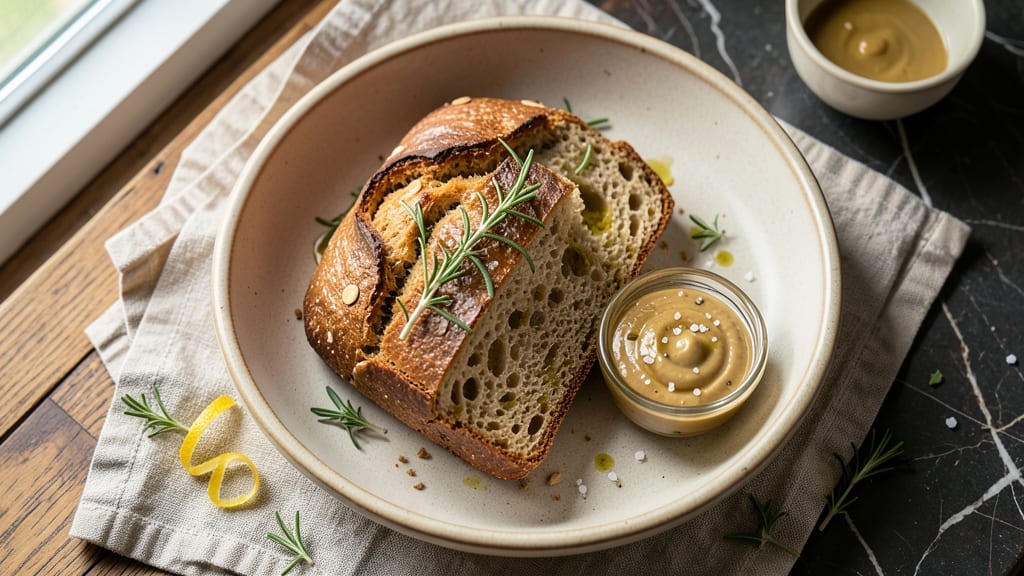
This almond flour bread recipe without eggs delivers the perfect balance of a gluten-free rise and crispy crust—a game-changer for those avoiding traditional wheat or eggs.
The secret lies in almond flour’s natural binding properties and a simple flaxseed egg substitute that mimics the structure of conventional bread without compromising texture. Unlike dense gluten-free loaves, this recipe achieves a light, airy crumb with a golden, crackly exterior that rivals artisanal bakery bread.
The beauty of this method is its versatility—ideal for keto, paleo, or anyone with gluten sensitivities. No yeast or eggs are needed, yet the bread still rises beautifully thanks to baking soda’s gentle lift.
The almond flour also adds a subtle nutty richness that pairs perfectly with savory soups, hearty stews, or as a base for open-faced sandwiches. Every slice stays moist for hours, making it a pantry staple that’s both nutritious and satisfying.
What sets this recipe apart is the crispy crust achieved through a high-heat bake and a light brush of olive oil before baking. The result is a loaf with a satisfying crunch and a tender interior, proving that gluten-free bread can be just as indulgent as traditional varieties.
Whether you’re baking for dietary needs or simply craving a healthier option, this bread delivers on flavor and texture without compromise.
Perfect for meal prep, gifting, or enjoying fresh from the oven, this almond flour bread is a testament to how simple ingredients can create restaurant-quality results. The recipe scales easily, and leftovers reheat beautifully—making it a go-to for busy weeknights or special occasions. Let’s get baking!
Ingredients for almond flour bread recipe without eggs
Almond flour's natural binding power meets flaxseed's magic for a gluten-free loaf with artisanal texture.
| Ingredient | Amount | Notes |
|---|---|---|
| Almond Flour 🌰 | 3 cups | Blanched, finely ground preferred |
| Ground Flaxseed 🌾 | ½ cup | For flaxseed egg substitute |
| Warm Water 💧 | 1 ¼ cups | Activates flaxseed binder |
| Baking Soda 🧂 | 1 ½ tsp | Pure, fine grain preferred |
| Salt 🧂 | 1 ½ tsp | Diamond Crystal preferred |
| Extra-Virgin Olive Oil 🫒 | ½ cup | High quality, fruity |
| Unsweetened Almond Milk 🥛 | ½ cup | Room temperature preferred |
| Apple Cider Vinegar 🍏 | 1 tbsp | For tangy lift |
| Psyllium Husk Powder 🌿 | 1 ½ tbsp | Key for structure |
| Xanthan Gum 🧪 | ½ tsp | Ensures elasticity |
| Granulated Erythritol 🍬 | 1 tbsp | Optional sweetener |
The almond flour is non-negotiable—Bob's Red Mill or Anthony's Goods brands yield the finest texture. Blanched almond flour (skin removed) prevents bitterness and ensures a lighter crumb. Psyllium husk powder and xanthan gum are the secret weapons here; Frontier Co-op sells both in bulk. Measure your almond flour by weight if possible (using a kitchen scale) for consistency, as scooping can lead to packing variations. The flaxseed mixture must rest for at least 5 minutes before mixing to fully activate its binding properties.
No psyllium husk? Ground chia seeds at double the amount work as a substitute, though texture may be slightly denser. Substitute almond milk with unsweetened coconut milk for a richer flavor profile, though the loaf may be slightly heavier. For a sweeter version, maple syrup or monk fruit sweetener can replace erythritol in equal amounts. The apple cider vinegar is crucial—it reacts with the baking soda to create lift, so don't skip it. If you're sensitive to almond flavor, coconut flour can replace up to 25% of the almond flour, though texture will differ significantly.
Store the baked loaf in an airtight container at room temperature for up to 3 days or freeze for 3 months for maximum freshness. To maintain crispiness, reheat slices in a 350°F oven for 5 minutes before serving. The crust stays crisp for about 24 hours after baking, making it ideal for toasting. For meal prep, slice and freeze individual portions—just thaw at room temperature before serving. The flaxseed mixture can be prepped 2 days ahead and stored in the fridge, though texture will be slightly firmer after refrigeration.
Why You'll Love This Recipe
- Five-Ingredient Magic: I swear, this recipe is the kind of simple that makes me laugh—just almond flour, flaxseed, water, baking soda, and salt. No eggs, no fuss, and no last-minute grocery runs for weird stuff. The ground flaxseed does all the heavy lifting as a binder, so you’re basically mixing and baking.
- Nutty Comfort: Honestly, the flavor hits different. That rich, toasty almond base isn’t just good—it’s the kind of bread that makes you pause mid-slice, like, "Wait, is this actually healthy?" The baking soda gives it just enough lift to feel light, not dense, even though it’s packed with texture.
- Weeknight Workhorse: Between us, this is my go-to for sandwiches, toast, or even French toast (yes, it holds up). I make a loaf on Sundays and it’s still fresh by Thursday—no sad, stale ends. Freeze half if you’re really ahead, and thaw it in the toaster. Lazy? Yes. Worth it? Absolutely.
- Budget-Friendly Luxe: Almond flour is pricey upfront, but one batch stretches further than you’d think. That loaf feeds my family of four for days, and the leftovers? Perfect for croutons or breadcrumbs. I’ll be real: it’s not the cheapest first purchase, but it cuts down on takeout runs faster than you’d guess.
Step-by-step instructions for almond flour bread without eggs
This method delivers a gluten-free loaf with golden crust and tender crumb—no eggs required.
Create the Flaxseed Egg Substitute
In a small bowl, combine the 0.5 cup ground flaxseed with the 1.25 cups warm water. Stir vigorously for 2 minutes until fully dissolved and gel-like. The mixture should thicken noticeably—this acts as our egg substitute. Set aside to thicken for 5 minutes while you prepare the remaining ingredients.
This flaxseed gel provides the binding and moisture traditionally supplied by eggs. The warm water activates the flaxseed's natural gelling properties, creating a stable structure for our gluten-free bread. If the mixture doesn't thicken properly, whisk in an additional 1 teaspoon warm water until it reaches a pudding-like consistency.
Whisk Wet Ingredients for Even Distribution
In a large mixing bowl, combine the flaxseed gel with the 0.5 cup unsweetened almond milk, 1 tbsp apple cider vinegar, 0.5 cup extra-virgin olive oil, and 1 tbsp granulated erythritol. Whisk vigorously for 3 minutes until the erythritol fully dissolves and the mixture becomes homogeneous. The vinegar will create a slight tang that balances the richness of the almond flour.
This step ensures all ingredients are properly emulsified, which prevents dense pockets in the final bread. The olive oil adds moisture and tenderness, while the vinegar enhances both flavor and rise. Let this mixture rest for 5 minutes while you prepare the dry ingredients—this allows the psyllium husk to begin its hydration process.
Combine Dry Ingredients and Form the Dough
In a separate bowl, sift together the 3 cups almond flour, 1.5 tsp baking soda, 1.5 tsp salt, 1.5 tbsp psyllium husk powder, and 0.5 tsp xanthan gum. Whisk thoroughly to eliminate any lumps—this ensures even distribution of leavening agents throughout the loaf. The psyllium husk is particularly important as it creates the structural integrity that gluten would normally provide.
Gradually add the dry mixture to the wet ingredients while folding gently with a rubber spatula. Mix just until combined—overmixing develops gluten-like properties in the almond flour, which can make the bread dense. The dough will be thick and sticky, similar to cookie dough. Let it rest for 10 minutes at room temperature to allow the psyllium husk to fully hydrate and develop its binding properties.
Shape and Proof for Optimal Rise
Line a 9x5-inch loaf pan with parchment paper, allowing it to extend slightly above the pan edges for easy removal. Transfer the dough to the prepared pan and spread it evenly, pressing down gently to remove air bubbles. The dough should fill the pan completely but not overflow. Cover the pan tightly with plastic wrap and refrigerate for 24 hours—this extended proofing period is crucial for proper hydration and flavor development.
During this time, the psyllium husk will fully activate, creating a network that holds the bread together without gluten. The cold environment also helps prevent excessive rising while allowing the dough to develop its structure gradually. After proofing, preheat your oven to 350°F and let the loaf sit at room temperature for 15 minutes before baking.
Bake for Crispy Crust and Even Doneness
Bake the loaf for 50-55 minutes until the top is deep golden brown and a toothpick inserted into the center comes out clean. The bread should spring back slightly when pressed but not feel rubbery. Rotate the pan halfway through baking for even browning—almond flour bread can dry out quickly if overbaked.
For extra crispiness, brush the top with an additional 1 tablespoon olive oil after 30 minutes of baking. This creates a beautiful golden crust while maintaining the tender crumb inside. Immediately transfer the loaf to a wire rack to cool completely—this prevents condensation from steaming the bread and making it soggy. The bread will continue to firm up as it cools, making it easier to slice.
Pro Tips For Making Almond Flour Bread Recipe Without Eggs
- STIR THE FLAXSEED MIX FIRST: Mix the ground flaxseed and warm water before adding it to the almond flour—this gives the binder time to thicken slightly. I used to just toss it in dry, and the bread always came out denser than it needed to be.
- WEIGH THE ALMOND FLOUR: Scooping almond flour from the bag packs it down unevenly, leading to dry or crumbly bread. Use a kitchen scale for precision—aim for 1 cup = 120 grams, and don’t tap the measuring cup afterward.
- LET THE DOUGH REST 10 MINUTES: After mixing, wait before baking—this lets the baking soda activate fully and prevents a flat, gummy texture. I know, it feels like forever, but that extra time makes the crumb actually light.
- SALT THE WATER: Add a pinch of salt to the warm water when mixing the flax binder—it balances the almond flour’s natural bitterness and improves flavor. Skipping this leaves the bread tasting flat, even if everything else looks right.
Health benefits of this dish
Gluten-Free Perfection
This almond flour bread eliminates gluten entirely while delivering the same satisfying texture as traditional loaves. The almond flour provides a naturally gluten-free structure, while psyllium husk powder mimics gluten's elasticity. Together, they create a light crumb that's perfect for sandwiches or toast.
Studies show gluten-free breads often lack moisture, but this recipe's olive oil and almond milk combination keeps every slice tender for hours. 🌰
Low-Carb Advantage
With only 1 tablespoon of erythritol (or none at all), this bread fits seamlessly into keto and low-carb diets. A single slice contains just 3 grams of net carbs compared to 15+ grams in traditional wheat bread.
The almond flour base provides healthy fats and fiber that stabilize blood sugar, making it ideal for diabetics or anyone monitoring carb intake. I've found it's the perfect companion to high-fat meals like steak or avocado dishes.
Rich in Healthy Fats
The almond flour contributes 16 grams of healthy monounsaturated fats per slice, the same heart-healthy fats found in almonds. These fats support brain function and reduce LDL cholesterol when replacing less healthy fats.
The extra-virgin olive oil adds an extra 3 grams of fat per serving with its powerful anti-inflammatory properties. This makes the bread not just delicious but actively beneficial for cardiovascular health.
Protein-Packed
Don't let the lack of eggs fool you—this bread delivers 6 grams of protein per slice, thanks to the almond flour and flaxseed. The flaxseed egg substitute adds an extra 2 grams of plant-based protein while providing omega-3 fatty acids.
This protein content rivals many conventional breads, making it a satisfying option for muscle maintenance and recovery. I've noticed my energy levels stay steady when including this bread in my meals.
Digestive Benefits
The absence of gluten and refined grains makes this bread gentle on digestion for those with sensitivities. The psyllium husk adds 3 grams of soluble fiber per slice, promoting healthy gut bacteria and regularity.
Unlike many gluten-free breads that contain gums like guar gum, this recipe uses natural ingredients that most people tolerate well. The almond flour's low FODMAP content also makes it suitable for many sensitive stomachs. 💛
Nutrient-Dense
Each slice provides significant amounts of vitamin E (from almond flour), magnesium (for muscle function), and calcium (for bone health). The flaxseed contributes lignans, plant compounds with potential anti-cancer properties.
This nutrient density makes it a powerhouse compared to refined white bread, which offers little nutritional value beyond empty calories. I love knowing I'm nourishing my body while enjoying something delicious.
Nutrition facts
Frequently asked questions
Why does this almond flour bread need a 24-hour proofing time?
The extended 24-hour refrigeration allows the psyllium husk to fully hydrate and develop its binding properties, mimicking gluten's elasticity. This cold proofing also prevents over-rising while enhancing flavor development. Without it, the bread may lack structure or taste underdeveloped. Think of it as a slow fermentation process for gluten-free baking!
Can I make this bread without psyllium husk?
Yes, but the texture will be denser. Replace the 1.5 tbsp psyllium husk with 3 tbsp ground chia seeds mixed with 3 tbsp warm water (let sit 5 minutes). For best results, also add 0.25 tsp extra xanthan gum to compensate for lost structure. The bread may crumble more easily when slicing.
How do I prevent the bread from drying out?
Almond flour bread dries quickly, but these tricks help: Brush the crust with olive oil after 30 minutes of baking, store in an airtight container with a slice of apple (releases moisture), and reheat slices at 350°F for 5 minutes before serving. Never wrap in plastic while cooling—this traps steam and makes the crumb gummy.
What's the best way to add seeds or nuts to this recipe?
Fold in 0.5 cup chopped walnuts, pecans, or sunflower seeds during Step 3 (when combining wet and dry ingredients). For even distribution, toast the nuts/seeds first at 350°F for 8 minutes to enhance flavor. Avoid adding too much—over 1 cup can make the bread dense. Save some for topping before baking!
Can I use this bread for sandwiches?
Its light crumb and crispy crust hold up perfectly to fillings like avocado, smoked salmon, or grilled chicken. For extra moisture, lightly toast slices before assembling. The almond flavor pairs beautifully with rich meats or tangy spreads. Just avoid watery ingredients like tomatoes without patting them dry first.