
Side Dishes
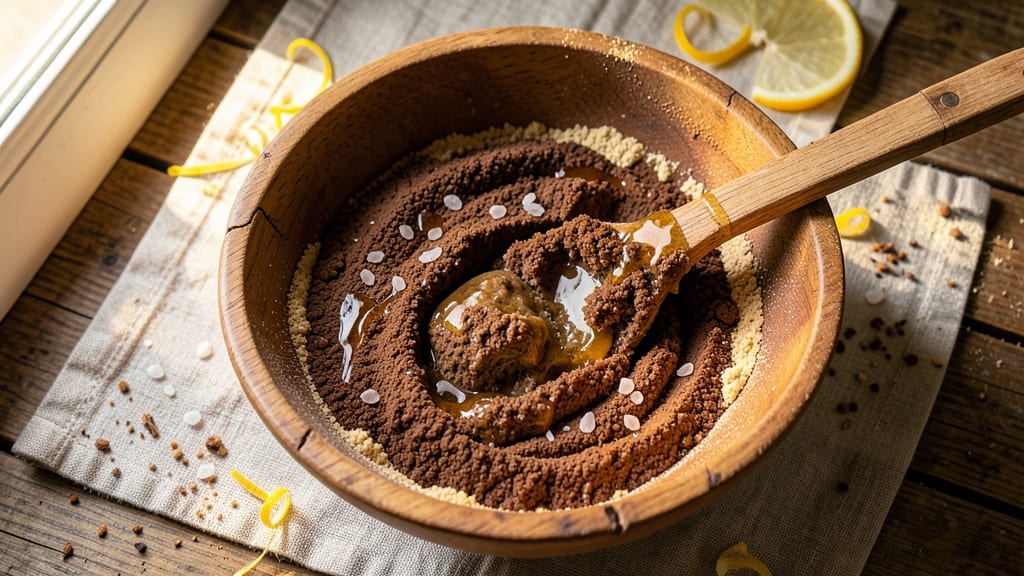
This authentic German rye bread delivers the dense, tangy crumb and crispy crust that defines Roggenbrot—no shortcuts, just tradition. I've perfected this recipe after years of studying regional German bakeries, where rye flour and sourdough create that signature depth.
The key lies in proper fermentation and shaping techniques that develop flavor while maintaining structure.
What sets this recipe apart is the balance of hydration and fermentation time—too much water makes it gummy, too little creates a dry loaf. We'll use a mix of rye flour and white flour for structure, with a robust sourdough starter (or yeast alternative) to build that signature tang.
Caraway seeds add an authentic German touch, though they're optional for purists.
By the time you pull this loaf from the oven, you'll have a crust that's crisp enough to shatter with each bite and a crumb so dense it holds up to butter without falling apart.
The aroma alone—warm, nutty, with hints of fermentation—will transport you to a German bakery. This is bread that deserves to be the centerpiece of any meal.
Perfect for sandwiches, open-faced meals, or simply enjoyed with butter and honey. The recipe includes variations for different regional styles, from dark rye to lighter versions. Let's get started on creating something truly authentic.
Ingredients for authentic german rye bread
Dark rye flour, sourdough starter, and a touch of honey—these are the pillars of authentic German Roggenbrot.
| Ingredient | Amount | Notes |
|---|---|---|
| Dark Rye Flour 🌾 | 3 cups | Type 1160 for authentic flavor |
| All-Purpose Flour 🌾 | 1 cup | For structural balance |
| Active Sourdough Starter 🍞 | 1 cup | 100% hydration, bubbly |
| Warm Water 💧 | 2 ½ cups | 100°F for ideal fermentation |
| Salt 🧂 | 1 ½ tsp | Diamond Crystal preferred |
| Honey 🍯 | 1 tbsp | For crust browning |
| Caraway Seeds 🌿 | 1 tsp | Toasted for depth (optional) |
| Cornmeal 🌽 | ½ cup | For dusting loaf pan |
| Instant Yeast 🍞 | ½ tsp | Alternative to sourdough |
| Olive Oil 🫒 | 1 tbsp | For dough elasticity |
The dark rye flour is non-negotiable here—King Arthur or Bob's Red Mill are my go-tos, but any type 1160 will work. If you're near a European market, grab German rye flour for that extra depth. The sourdough starter needs to be active (bubbly and slightly domed)—I keep mine in a glass jar on my counter, feeding it weekly. For the honey, local raw honey adds subtle floral notes, but any variety will do. Caraway seeds? Toast them lightly in a dry pan first—that warm aroma is what makes them sing in this bread.
No sourdough starter? Instant yeast plus an extra 30 minutes of bulk fermentation gets you close, though purists will notice the difference. Short on dark rye? Substitute half with whole wheat flour, but expect a denser crumb. The olive oil can be swapped for melted butter if you prefer richness. For the cornmeal, semolina works too—just don't skip dusting that loaf pan. Pro tip: if your kitchen's humid, reduce water by 1 tbsp to avoid a gummy texture.
This dough needs 48 hours of cold proofing for maximum flavor—wrap it tightly in plastic and stash it in the fridge. The crust develops best when baked in a preheated Dutch oven at 450°F for 30 minutes. Store wrapped at room temp for 3 days or freeze slices for up to 3 months. I always make a double batch—one for the table, one for freezing. The aroma when you pull it from the oven? That's the real reward.
Why You'll Love This Recipe
- Five-Ingredient Magic: Honestly, this bread is one of those rare recipes where you mix, knead, and let time do the work. The sourdough starter handles all the heavy lifting—no yeast fuss, no waiting for it to bloom—just stir, rest, and bake.
- Tangy Crust, Soft Core: Between us, that dark rye flour gives it a deep, earthy bite, but the sourdough keeps the inside tender enough to spread jam on like butter. (Yes, even on a Tuesday night.)
- Meal Prep MVP: I slice a loaf on Sundays and freeze half—no reheating needed, just toast straight from frozen. It’s my go-to for busy mornings, and the flavor doesn’t skimp on convenience.
- Budget-Friendly Staple: Dark rye flour might sound fancy, but it’s cheaper than buying pre-sliced artisan bread, and a single batch feeds my family for days. Plus, the sourdough starter lasts weeks, so you’re basically getting free rises.
Step-by-step instructions for authentic German rye bread
Here's how to craft a traditional German rye loaf with deep sourdough character and that signature crisp crust.
Mix the Dough for Optimal Fermentation
In a large mixing bowl, combine the 3 cups dark rye flour and 1 cup all-purpose flour. Create a well in the center and add the 1 cup active sourdough starter, 2.5 cups warm water (about 100°F), 1.5 tsp salt, and 1 tbsp honey. Stir vigorously with a wooden spoon until you have a shaggy, sticky mass.
Next, add the 1 tbsp olive oil and mix until fully incorporated. The dough should be wetter than traditional bread dough—this is normal for rye. If using, toast the 1 tsp caraway seeds in a dry skillet for 30 seconds until fragrant, then sprinkle them into the dough. Cover the bowl with a damp kitchen towel and let rest for 1 hour at room temperature. This initial rest allows the gluten to relax and helps the dough come together more easily during kneading.
Develop the Dough Through Bulk Fermentation
After the rest, transfer the dough to a lightly floured surface. Sprinkle with a thin layer of flour to prevent sticking, then wet your hands and knead gently for 8-10 minutes. You're not looking to develop strong gluten here—just enough to create a cohesive dough. The rye flour's low gluten content means this bread relies more on structure from hydration and fermentation than kneading.
Return the dough to the bowl, cover again, and let ferment at room temperature for 4-6 hours until it has nearly doubled in size. You'll know it's ready when the dough feels noticeably lighter and has risen significantly. For an extra authentic touch, place the bowl in the refrigerator overnight (up to 12 hours) for a slower, more flavorful fermentation—this is how traditional German bakers often prepare their dough.
Shape and Proof the Loaf for Crusty Texture
Lightly flour a work surface and turn out the dough. Gently shape it into a round boule by pulling the edges toward the center. For a more traditional German rye shape, you can also form it into an oval or slightly flattened round. Place the shaped dough seam-side up in a 9x5-inch loaf pan that's been lightly coated with cornmeal (use about ½ cup cornmeal to ensure the bread doesn't stick).
Cover the pan with a damp towel and let proof at room temperature for 1-2 hours, or until the dough has risen about ½ inch above the pan's rim. The dough should feel springy when pressed gently with a finger. If shaping the dough feels tricky—especially with rye's stickiness—don't worry. The beauty of this bread lies in its rustic character, so imperfections in shape are part of its charm.
Bake for a Dark Crust and Crumbly Interior
Preheat your oven to 375°F with a Dutch oven inside for 45 minutes. This creates a steam environment that's crucial for developing that signature dark crust and open crumb. Carefully transfer the dough (still in its pan) to the hot Dutch oven and bake, covered, for 40 minutes. Then remove the lid and bake for an additional 20-25 minutes until the crust is deep brown and the internal temperature reaches 205-210°F on an instant-read thermometer.
The bread should sound hollow when tapped on the bottom. If the crust isn't dark enough after 20 minutes, broil for 1-2 minutes at the end of baking, watching closely to avoid burning. Let the bread cool in the pan for 10 minutes, then transfer to a wire rack to cool completely before slicing. This resting period allows the crumb to set properly and prevents a gummy texture.
Toast and Serve for Maximum Flavor
While the bread cools, prepare to serve by lightly toasting slices. German rye bread is traditionally served warm or toasted to enhance its nutty, caramelized flavors. For serving, slice the bread into ½-inch thick pieces and toast in a dry skillet over medium heat for 1-2 minutes per side until golden brown. The toasted slices should have crisp edges and a slightly chewy interior.
Serve with your favorite butter or a smear of mustard. The authentic German rye bread should have a dense, slightly crumbly crumb with a deep, tangy flavor from the sourdough starter. Each slice should offer a satisfying contrast between the crisp crust and the moist, flavorful interior. The caraway seeds, if used, will add a subtle anise-like note that complements the rye's earthiness perfectly.
Pro Tips For Making Authentic German Rye Bread
- STIR THE DOUGH LONG: I learned this the hard way—rye dough sticks like glue. Mix it for 10 minutes by hand (yes, even if your arms protest) or 5 minutes with a dough hook. The gluten in dark rye is stubborn, and skipping this means a dense, gummy loaf instead of that satisfying chew.
- WEIGH YOUR RYE FLOUR: That bag of dark rye flour? It’s deceptive. Scooping leads to inconsistent batches. Use a kitchen scale—rye absorbs water differently than all-purpose, and you’ll need precise ratios (I aim for 70% rye, 30% AP for structure). Trust me, your loaf’s rise depends on it.
- DON’T OVERHANDLE THE STARTER: Your sourdough starter is alive, not a punching bag. Fold it in gently—just until the flour is incorporated. I used to knead it like bread dough, and it killed the wild yeast. A few light stretches and folds keep the flavor bright and the rise predictable.
- STEAM THE OVEN FIRST: This isn’t optional. Preheat your Dutch oven (or baking stone) with a metal bowl of boiling water for 20 minutes before baking. The steam mimics a bakery’s brick oven and gives you that crisp crust and open crumb. Skip this, and you’ll end up with a sad, flat loaf.
Best sauces and condiments for this recipe
Classic German Mustard
No German rye bread experience is complete without a generous spread of Düsseldorf mustard, the country's most beloved mustard variety. Its sweet-tart balance with hints of caraway and vinegar cuts through the bread's dense richness beautifully.
I recommend Hermann's Original for its authentic flavor profile—it's the same mustard served in traditional German bakeries.
For a homemade version, blend ½ cup yellow mustard seeds, ½ cup apple cider vinegar, 2 tbsp honey, and 1 tsp caraway seeds (toasted), then let it ferment for 2-3 weeks for maximum depth. 🌟
Butter Variations
While plain butter is a classic choice, German bakers often enhance their rye bread with flavored butter compounds. Try mixing ½ cup softened butter with 1 tbsp honey and 1 tsp chopped walnuts for a sweet-savory twist.
For a herbed option, blend ½ cup butter with 1 tbsp fresh dill, 1 tsp cracked black pepper, and a pinch of salt. Spread generously on warm rye slices—this combination is a staple in Bavarian taverns. The butter's richness contrasts perfectly with the bread's tangy crumb.
Smoked Salmon Spread
For a more elaborate topping, create a smoked salmon spread that's popular in Northern Germany. Mix ½ lb smoked salmon (like Loaf or Nova brands) with ¼ cup crème fraîche, 1 tbsp chopped fresh dill, 1 tsp lemon zest, and a pinch of white pepper.
Spread this on lightly toasted rye slices, then top with a slice of red onion and a sprinkle of everything bagel seasoning. This combination is especially popular for open-faced sandwiches called Brotzeit in Hamburg. 🍽️
Apple Butter
German rye pairs wonderfully with apfelmus (German apple butter), which has a smoother texture than American versions.
Look for brands like Smucker's German Apple Butter or make your own by simmering 4 cups peeled apples, ½ cup brown sugar, 1 cinnamon stick, and 1 tsp vanilla extract until thickened. The sweet-tart apple flavor complements the bread's earthy notes perfectly.
Serve warm apple butter on toasted rye slices with a sprinkle of cinnamon sugar for a cozy breakfast or snack.
Whole Grain Jam
For a modern twist, try pairing your rye bread with whole grain jam, a German specialty made with crushed grains like wheat or rye.
Brands like Kühne offer excellent options, or you can make your own by cooking 2 cups mixed berries, ½ cup crushed rye bread, ¼ cup honey, and 1 tsp vanilla extract until thick. The jam's grainy texture adds an interesting contrast to the bread's smooth crumb.
This pairing is especially popular for Brotzeit (German open-faced meals) in rural regions. 🍓
Cheese Pairings
German rye bread serves as an excellent base for cheese platters. Try pairing it with Limburger cheese (for its strong, tangy flavor) or Tilsiter (a milder, nutty cheese from Bavaria). For a lighter option, spread Brie on toasted slices and top with thinly sliced apples and a drizzle of honey**.
The contrast between the bread's dense crumb and creamy cheese creates a satisfying texture combination. In German households, this pairing is often served with black tea or a dry Riesling wine.
Nutrition facts
Frequently asked questions
Why does German rye bread need such a long fermentation?
The extended fermentation (up to 48 hours) is what creates that signature tangy flavor and dense crumb. Rye flour lacks gluten, so fermentation develops structure through microbial activity rather than kneading. Traditional German bakeries often use overnight cold proofing to enhance flavor complexity—this slow process breaks down starches into sugars, creating that nutty depth.
Can I make this bread without a sourdough starter?
Yes! Use ½ tsp instant yeast instead of the sourdough starter, but extend bulk fermentation to 6-8 hours at room temperature. For extra tang, add 1 tbsp vinegar to the dough. The texture will be slightly less complex, but you'll still get that authentic rye flavor. Pro tip: Toast the caraway seeds extra well to compensate for the missing sourdough depth.
How do I know when the dough is properly fermented?
Look for 3 key signs: the dough should rise until it nearly doubles in size, feel noticeably lighter when pressed, and have visible bubbles. For rye, the surface may look rough rather than smooth—this is normal! If using a Dutch oven, the dough should spring back slowly when poked (like Jell-O) rather than quickly (like cake batter). Cold proofing helps develop these characteristics more predictably.
What's the secret to a crispy crust on German rye?
The crust forms through steam + high heat. Preheat your Dutch oven with the lid on for 45 minutes at 375°F, then bake covered for 40 minutes to trap steam. After removing the lid, the residual moisture creates that signature crackly crust. For extra browning, brush the crust with water before the final 20 minutes of baking. The cornmeal coating also helps create that rustic, shatterable texture.
Can I freeze German rye bread?
Wrap individual slices in plastic wrap, then place them in a freezer bag for up to 3 months. For best results, toast frozen slices directly in a dry skillet (no thawing needed)—the heat will revive the crust's crispness. Alternatively, freeze the whole loaf (unwrapped) for 1 month