
Side Dishes
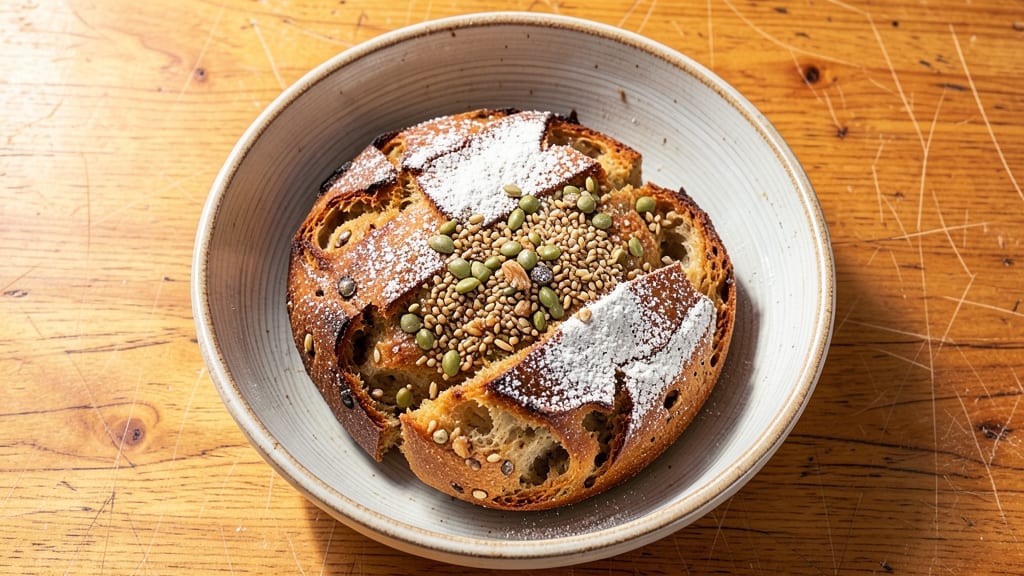
This authentic Ezekiel bread recipe brings biblical tradition to your kitchen with a loaf that's lighter, more digestible, and packed with flavor than conventional whole grain bread.
Inspired by ancient grains mentioned in the Book of Ezekiel, this recipe uses sprouted barley, millet, lentils, and spelt to create a loaf with an airy crumb and nutty undertones. The sprouting process enhances digestibility while unlocking deeper flavors—transforming simple grains into something extraordinary.
The beauty of this recipe lies in its simplicity and nutritional power. Unlike commercial versions, this homemade loaf skips refined flour entirely, relying instead on whole, sprouted ingredients that retain their natural enzymes and nutrients. The dough develops naturally through fermentation, creating a lighter texture without artificial additives.
With just a few hours of hands-off preparation, you'll end up with a loaf that's perfect for toast, sandwiches, or simply enjoying with plant-based spreads.
What makes this Ezekiel bread truly special is its cultural significance and health benefits. Historically, Ezekiel's vision described a diet of sprouted grains—this recipe brings that ancient wisdom into modern baking.
The result is a loaf that's easier to digest, higher in protein, and rich in fiber compared to traditional breads. Its slightly sweet, nutty flavor profile makes it versatile enough for breakfast toast or as the base for hearty plant-based sandwiches.
The key to success lies in proper sprouting and fermentation—both of which we'll guide you through step-by-step. Once baked, this loaf stays fresh for days, making it perfect for meal prep.
Whether you're exploring ancient grain traditions or simply seeking a healthier bread option, this recipe delivers restaurant-quality results with biblical roots. Let's get started on creating your own loaf of history.
Ingredients for authentic ezekiel bread
Ancient grains meet modern baking in this vegan Ezekiel bread recipe, where sprouting unlocks digestibility and flavor.
| Ingredient | Amount | Notes |
|---|---|---|
| Organic Sprouted Barley 🌾 | 1 ½ cups | Rinsed and sprouted for 12 hours |
| Organic Millet 🌾 | 1 cup | Rinsed and sprouted for 12 hours |
| Green Lentils 🌱 | ½ cup | Rinsed and sprouted for 12 hours |
| Organic Spelt Berries 🌾 | ½ cup | Rinsed and sprouted for 12 hours |
| Filtered Water 💧 | 3 ½ cups | Room temperature preferred |
| Organic Whole Wheat Flour 🌾 | 1 ½ cups | For dough structure and texture |
| Active Dry Yeast 🍞 | 1 tbsp | Vegan-certified for fermentation |
| Raw Apple Cider Vinegar 🍎 | 1 ½ tbsp | For natural leavening |
| Unrefined Coconut Oil 🥥 | ¼ cup | Melted for dough elasticity |
| Sea Salt 🧂 | 1 ½ tsp | Diamond Crystal preferred |
| Flaxseed Meal 🌱 | 2 tbsp | For vegan egg replacement |
| Ground Flaxseed 🌱 | ½ cup | For dough binding |
| Sesame Seeds 🌿 | 2 tbsp | For traditional topping |
The foundation of this loaf lies in the sprouted grains—barley, millet, lentils, and spelt—which must be rinsed thoroughly and sprouted for 12 hours before use. Bob's Red Mill organic grains work exceptionally well, though any certified organic sprouting grains will suffice. The sprouting process isn't just for flavor; it activates enzymes that improve digestibility and create a lighter crumb. If you're sourcing from bulk bins, ensure the grains are labeled as organic and non-GMO to maintain authenticity. For the yeast, Red Star Active Dry Yeast is a reliable choice, but any vegan-certified yeast will work—just ensure it's fresh by checking the expiration date.
No sprouting setup? Pre-sprouted grains from health food stores are a convenient alternative, though homemade sprouting yields superior flavor. The whole wheat flour acts as a structural binder—substitute with organic buckwheat flour for a gluten-free option, though texture may vary. For the flaxseed meal, ensure it's ground fresh for optimal binding; pre-ground meal loses potency quickly. The sesame seeds are non-negotiable for authenticity, but you can toast them lightly for enhanced nuttiness. If coconut oil isn't available, avocado oil works equally well, though it may slightly alter the dough's elasticity.
Once mixed, the dough requires 24 hours of cold fermentation for optimal flavor development—store it in an airtight container in the fridge. The baked loaf stays fresh for 5-7 days when wrapped in a beeswax-free cloth or stored in a bread box. For longer storage, freeze slices wrapped in parchment for up to 3 months. The sprouted grains remain stable in the freezer, so you can pre-sprout and store them for up to 2 weeks before baking. This loaf's versatility makes it ideal for meal prep—slice and toast as needed, or use it as a base for plant-based sandwiches.
Why You'll Love This Recipe
- No-Fuss Mixing: I swear by this recipe because it’s literally just blending wet and dry ingredients—no kneading, no waiting for dough to rise. The sprouted barley and millet do all the work, turning into a chewy, satisfying loaf with zero fuss.
- Nutty Earthy Richness: That combination of sprouted barley and green lentils? It’s like a warm hug in bread form—deep, toasty, and just slightly sweet. Honestly, it’s the kind of flavor that makes you forget about store-bought loaves forever.
- Meal Prep MVP: Between us, this bread is perfect for batching. Toss a few slices in the freezer, and you’ve got toast, sandwiches, or croutons ready in seconds. I make a double batch every Sunday—my lazy mornings thank me.
- Budget-Friendly Staple: Spelt berries and millet might sound fancy, but they’re actually cheaper than white flour. Plus, the leftovers stay fresh for days, so you’re not wasting a thing. My wallet and my pantry are happy.
Step-by-step instructions for authentic Ezekiel bread
This method delivers the signature light, airy crumb and nutty depth of traditional Ezekiel bread through precise technique and proper ingredient preparation.
Prepare the Sprouted Grain Base
In a large mixing bowl, combine the 1.5 cups Organic Sprouted Barley, 1 cup Organic Millet, 0.5 cup Green Lentils, and 0.5 cup Organic Spelt Berries with 3.5 cups Filtered Water. Let this mixture soak for 12 hours at room temperature—this activates enzymes that improve digestibility and develop flavor. After soaking, drain any excess water through a fine-mesh strainer and transfer the sprouted grains back to the bowl.
Use a potato masher or wooden spoon to gently break down the grains into a coarse puree while retaining some texture. The goal is a thick, rustic batter with visible grain pieces—this creates the bread's signature hearty yet tender crumb. If the mixture feels too dry, add 1-2 tablespoons of filtered water to achieve a workable consistency similar to thick pancake batter.
Create the Vegan Binder and Leavening System
In a separate bowl, whisk together 2 tbsp Flaxseed Meal with 0.5 cup Ground Flaxseed and 3.5 tablespoons of filtered water. Let this sit for 5 minutes to form a thick, gel-like binder that replaces eggs in traditional recipes. This flax mixture should resemble raw egg whites in viscosity—if it's too runny, add 1 teaspoon more ground flaxseed.
In the same bowl, dissolve 1 tbsp Active Dry Yeast in 1.5 tbsp Raw Apple Cider Vinegar with 1 tablespoon of the filtered water reserved from the sprouted grains. Let this yeast mixture activate for 5-10 minutes until it becomes frothy—this indicates the yeast is alive and ready to ferment. The vinegar serves as a natural acidifier that enhances gluten development and improves rise.
Combine Wet and Dry Ingredients
To the sprouted grain mixture, add the activated yeast-vinegar mixture and the flax binder. Stir vigorously for 2 minutes until fully incorporated. In a separate bowl, whisk together 1.5 cups Organic Whole Wheat Flour with 1.5 tsp Sea Salt and 0.25 cup melted Unrefined Coconut Oil (cooled to 110°F). Gradually fold this dry mixture into the wet ingredients using a silicone spatula, being careful not to overmix.
The dough will be thick and sticky—this is normal. The coconut oil provides elasticity while the whole wheat flour adds structure. For best results, work quickly to maintain the dough's warmth. If the mixture feels too stiff, add 1 tablespoon of filtered water at a time until it reaches a thick, spreadable consistency similar to cookie dough.
Ferment and Shape the Loaf
Transfer the dough to a lightly oiled 9x5-inch loaf pan and smooth the top with a wet spatula. Cover with a damp kitchen towel and let ferment at 75-80°F for 2-3 hours, or until the dough has risen about 50% and feels slightly springy when pressed gently. The fermentation develops complex flavors and improves digestibility—don't rush this step.
Preheat your oven to 375°F with a baking stone or inverted baking sheet on the middle rack. Once the dough has risen, brush the top with 1 tablespoon of filtered water and sprinkle evenly with 2 tbsp Sesame Seeds. This creates a crispy crust and authentic appearance. Bake for 45-50 minutes until the internal temperature reaches 205°F and the top is deep golden brown.
Cool and Serve for Maximum Flavor
Remove the bread from the oven and let it cool in the pan for 10 minutes before transferring to a wire rack. The bread will continue to set as it cools, developing its signature light, airy crumb. For best flavor and texture, serve at room temperature—this allows the grains to fully hydrate and the flavors to meld.
Slice with a serrated knife for clean cuts that reveal the open crumb structure. Each slice should be tender yet sturdy, with a subtle nutty flavor from the sprouted grains. Store wrapped at room temperature for up to 3 days or freeze for longer storage. The bread pairs beautifully with soups, salads, or as a base for sandwiches with hummus or avocado.
Pro Tips For Making Authentic Ezekiel Bread
- Soak the Lentils First: Lentils take the longest to soften—skip this, and you’ll end up with a gummy, uneven dough. Soak them overnight in filtered water (they’ll triple in size), then drain and rinse before mixing. Trust me, your kneading will be so much easier.
- Use a Heavy Pot for Sprouting: Light pots won’t hold heat well, and your barley and spelt will either under-sprout or overcook. A cast-iron or thick stainless-steel pot keeps temps steady—aim for 75°F (24°C) for 8–12 hours. No thermometer? Feel the water: it should be warm to the touch, like bathwater.
- Don’t Over-Knead the Dough: This stuff is delicate. Once the ingredients are mixed, knead just until it comes together—about 3–4 minutes. Overwork it, and the millet and lentils will turn to mush, making the bread dense. Think "gentle but firm," not "trying to win a wrestling match."
- Bake Low and Slow: Ezekiel bread needs time to rise properly and develop flavor. Bake at 350°F (175°C) for 45–55 minutes, not until the top is golden but until the internal temp hits 190°F (88°C). High heat = tough crust; low and slow = chewy, hearty bread. (Yes, it’ll take longer—your patience will pay off.)
Dietary considerations for this recipe
Gluten-Free Adaptation
For a gluten-free version, replace the whole wheat flour with 1.5 cups certified gluten-free oat flour or a blend of buckwheat and brown rice flour.
The sprouted grains (barley, millet, lentils, and spelt) provide natural structure, but you may need to add 1 extra tablespoon of ground flaxseed to compensate for reduced gluten elasticity. Ferment the dough for 30 minutes longer to allow the flax binder to fully develop. 🌾
Low-Glycemic Option
This recipe is naturally low-glycemic due to the sprouted grains, but you can enhance it further by reducing the whole wheat flour to 1 cup and adding ½ cup almond flour for extra fiber.
The almond flour adds a subtle sweetness while keeping blood sugar impact minimal. Store-bought Ezekiel bread often contains added sugars—this version skips them entirely while maintaining that satisfying crumb.
Nut-Free Version
If nut allergies are a concern, simply omit the ground flaxseed and replace it with 2 extra tablespoons of chia seeds mixed with 3.5 tablespoons of water for binding. The chia gel works similarly to flaxseed but adds a slight tang that complements the nutty grain flavors.
Always check chia seed labels for cross-contamination warnings if severe allergies are present.
High-Protein Boost
Increase the protein content by adding ¼ cup vital wheat gluten (for non-gluten-free versions) or ½ cup cooked quinoa (for gluten-free). The quinoa option adds a mild, earthy flavor that pairs beautifully with the sprouted grains.
For an extra protein kick, sprinkle 1 tablespoon nutritional yeast on top before baking—it adds a cheesy note while providing complete amino acids.
Sprouting Shortcuts
No time to sprout grains? Use pre-sprouted grains from health food stores like Sprouts Market or Whole Foods. Their sprouted sections carry organic barley, millet, and lentils ready for immediate use.
If you must skip sprouting, soak the grains for 8 hours instead of 12—this activates some enzymes but won't match the full flavor development. The texture will be slightly denser but still delicious. 💡
Nutrition facts
Frequently asked questions
Why does this Ezekiel bread recipe use sprouted grains?
Sprouting activates enzymes that improve digestibility and create a lighter, more flavorful loaf. The grains develop deeper nutty notes and unlock nutrients that would otherwise remain dormant. This ancient technique aligns with Ezekiel's vision of sprouted grains in the Bible, making it both historically accurate and healthier than conventional bread.
Can I make this bread without a loaf pan?
Yes! Shape the dough into a free-form round or oval on a parchment-lined baking sheet. Brush with water and sprinkle sesame seeds before baking at 375°F for 35-40 minutes. The texture will be slightly denser but equally delicious. For extra rustic appeal, bake on a preheated baking stone.
How do I know when the dough is properly fermented?
Press the dough gently—it should spring back slowly (not immediately). Look for 50% rise and a slightly sticky surface. The kitchen should smell faintly sweet and yeasty. If it hasn't risen after 3 hours, check your yeast is active (test in warm water) or try a warmer fermentation spot.
Why did my bread turn out dense instead of light and airy?
Common causes include insufficient fermentation (rush the process) or overmixing the dough (breaks gluten structure). Ensure you ferment at 75-80°F for the full 2-3 hours, and handle the dough gently. The sprouted grains require careful hydration—too much water makes the crumb heavy.
How should I store Ezekiel bread to keep it fresh?
Wrap cooled slices in beeswax-free cloth or store in an airtight container at room temperature for 3-4 days. For longer storage, freeze individual slices wrapped in parchment. The sprouted grains help preserve freshness longer than conventional bread, but avoid refrigerating—this accelerates staling.