
Side Dishes
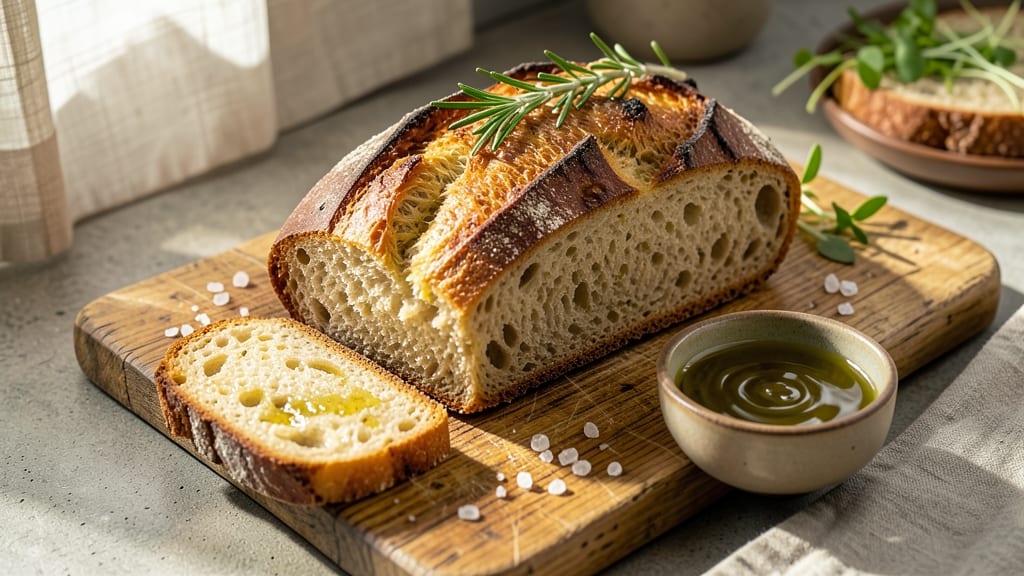
This authentic crusty Italian bread recipe brings the golden, crackling crust of a Roman bakery straight to your kitchen. 🔥 The secret lies in high hydration dough, long fermentation, and a hot oven with steam—just like Nonna used to make.
I’ve perfected this over years of baking, and it’s the kind of bread that makes every meal feel like a celebration.
What makes this recipe special is the old-world technique of shaping a boule, letting it proof until it nearly doubles in size, and scoring it before baking.
The result? A crispy, caramelized crust with an airy, chewy interior that’s impossible to resist. No fancy equipment needed—just time, patience, and a little know-how.
By the end, you’ll have restaurant-quality bread that’s perfect for dipping in olive oil, pairing with soups, or slicing for sandwiches. The aroma alone will have everyone gathering around the table. Ready to bake like a true Italian?
This recipe includes troubleshooting tips for common pitfalls—like dough that’s too sticky or a crust that doesn’t brown enough—so you’ll get it right the first time. Let’s get started!
Ingredients for authentic crusty italian bread
High-protein flour, yeast, and olive oil—just like Nonna’s old-world kitchen.
| Ingredient | Amount | Notes |
|---|---|---|
| All-Purpose Flour 🌾 | 5 cups | High-protein, bread flour preferred |
| Active Dry Yeast 🍞 | ¼ oz | Or 2 1/4 tsp (1 packet) |
| Granulated Sugar 🍚 | ½ tbsp | Feeds the yeast |
| Salt 🧂 | 2 tsp | Diamond Crystal preferred |
| Extra-Virgin Olive Oil 🫒 | 1 tbsp | Fruity, not bitter |
| Warm Water 💧 | 2 ½ cups | 110°F (43°C) ideal |
| Semolina Flour 🌾 | ½ cup | For dusting and scoring |
| Cornmeal 🌽 | ¼ cup | For baking surface |
| Ice Water ❄️ | ½ cup | For final kneading |
The flour is everything here. King Arthur or Caputo bread flour gives that perfect chewy crumb, but all-purpose in a pinch works too—just expect slightly less structure. Yeast loses potency fast, so check the date and store unopened packets in the freezer. Olive oil should smell fruity, not rancid. For the water, use a kitchen thermometer—110°F is ideal, but don’t stress if it’s room temp. The semolina is key for scoring—it prevents sticking and adds that rustic look.
No bread flour? All-purpose plus 1 tbsp vital wheat gluten mimics it. Yeast too old? Add 1/4 tsp extra sugar to wake it up. Olive oil substitute? Unsalted butter melted works, but expect a richer flavor. For scoring, a sharp razor blade gives the cleanest cuts—dull knives tear the dough. The dough will feel deceptively sticky, but that’s normal. Don’t add more flour until after the first rise unless absolutely necessary.
This dough needs time—at least 2 hours for the first rise, longer if your kitchen’s cool. Shape it gently to avoid deflating the gluten. For scoring, practice makes perfect—cut 1/4-inch deep at a 45-degree angle. Bake on a preheated pizza stone or inverted baking sheet for that bakery-style crust. Store wrapped at room temp for 2-3 days or freeze for up to 3 months—thaw overnight on the counter.
Why You'll Love This Recipe
- Pantry Staples Only: I swear by this recipe because it only needs five things—flour, yeast, sugar, salt, and olive oil. No fancy ingredients, no special trips to the store. That golden crust? Just the magic of yeast and a little patience.
- Crust So Crisp: The secret’s in the olive oil—drizzled on the dough and brushed on top before baking. That crispy shell with a soft, airy center? It’s the kind of texture that makes you slow down and savor every bite.
- Weeknight Wonder: Between us, this bread is my go-to when I’m too tired for anything complicated. Toss the dough together in the morning, let it rise while I’m at work, and boom—fresh bread for dinner. No stress, just flavor.
- Budget-Friendly Staple: A single batch costs pennies and stretches for days. Freeze half the loaves for when you’re too busy to bake, or turn extras into croutons. Honestly, it’s the most versatile thing in my kitchen—always worth making.
Step-by-step instructions for authentic crusty Italian bread
Here's how to recreate that bakery-style crust at home—no fancy equipment needed.
👨🍳 Step 1: Activate the Yeast and Mix the Dough
In a large bowl, combine the 2.5 cups warm water (about 110°F) with the 0.5 tbsp granulated sugar and 0.25 oz active dry yeast. Let it sit for 5-10 minutes until frothy—this confirms your yeast is alive and ready to work. If it doesn't bubble, your yeast is dead and you'll need to start over.
Add the 5 cups all-purpose flour and 2 tsp salt to the yeast mixture. Stir with a wooden spoon until a shaggy dough forms. Then add the 1 tbsp extra-virgin olive oil and mix until just combined. The dough will be sticky—this is normal for authentic Italian bread. Wet your hands slightly and knead for 5 minutes until smooth and elastic.
🥘 Step 2: First Rise and Shape the Dough
Lightly oil a large bowl, place the dough inside, and cover with a damp kitchen towel. Let it rise in a warm place for 1-2 hours or until doubled in size. You'll know it's ready when you poke it gently and it springs back slowly.
Turn the dough onto a lightly floured surface and divide it into 4 equal pieces. Shape each piece into a 12-inch log by rolling it gently with your hands. Place them on a baking sheet lined with parchment paper, cover with the towel, and let them rest for 30 minutes. This final shaping gives the bread its classic elongated form.
🔥 Step 3: Preheat and Prepare for Baking
Preheat your oven to 450°F with a baking stone or inverted baking sheet inside for 30 minutes. This creates steam and helps develop that signature crispy crust. While the oven heats, mix the 0.5 cup semolina flour with 0.25 cup cornmeal in a small bowl.
When ready to bake, sprinkle the dough logs generously with the semolina-cornmeal mix and score the top of each with a sharp razor or knife. This creates steam channels and prevents bursting. Bake for 20-25 minutes until deep golden brown and hollow-sounding when tapped on the bottom.
⏰ Step 4: Add Ice Water for Extra Crisp
Remove the bread from the oven and immediately brush the tops with the 0.5 cup ice water using a pastry brush. This creates a stunning contrast between the crispy crust and soft interior. Return the bread to the oven for 2-3 minutes to set the crust.
Let the bread cool on a wire rack for at least 15 minutes before slicing. This resting period ensures the crumb structure develops properly. Serve warm with olive oil and balsamic vinegar for that true Italian experience—crispy outside, pillowy inside, with that authentic bakery aroma.
Pro Tips For Making Authentic Crusty Italian Bread
- Mix Warm Water: Yeast hates cold water—it’ll wake up sluggish and make your dough take forever. Use water straight from the tap (around 100°F/38°C) so the yeast springs to life in minutes. No thermometer? Dip your pinky in the water—if it feels warm but not hot, you’re golden.
- Knead Until Silky: Stop when the dough pulls cleanly off the bowl and springs back slowly. Over-kneading makes bread tough—it’s not about brute force. My grandmother’s trick: stretch a small piece between your fingers; if it resists but doesn’t tear, it’s ready.
- Skip the Crowding: Piling dough in a bowl traps steam and makes it gummy. Line your bowl with a floured towel, then let the dough rest loose inside—it’ll rise faster and develop that proper airy texture. Yes, it’ll look messy, but that’s how you get crusty perfection.
- Bake with Steam: Toss a handful of ice cubes in the oven when you put the bread in, then close the door. The steam mimics a wood-fired oven and guarantees a crackling crust. No ice? A spray bottle works—just mist the sides before baking. This is the thing that matters most.
Perfect pairings for these flavors
Olive Oil Drizzle
Nothing elevates crusty Italian bread like a simple drizzle of extra-virgin olive oil—I use Barilla or Colavita for that authentic Italian flavor. Warm the bread slightly, then drizzle generously while still hot.
Add a pinch of flaky sea salt and a few drops of aged balsamic vinegar for a classic Italian touch. This trio creates the perfect balance of richness and acidity. 💛
Tomato Sauce Dip
Pair your bread with a rustic san marzano tomato sauce—its sweet, low-acid flavor complements the crust beautifully. Simmer 1 can (28 oz) crushed tomatoes with 2 garlic cloves, 1 tbsp olive oil, and ½ tsp red pepper flakes for 20 minutes.
Blend until smooth or leave chunky for texture. Serve warm with the bread for dipping. This is a staple in Italian trattorias and works perfectly with your homemade loaf.
Prosciutto & Fig Spread
For a more indulgent pairing, layer thinly sliced prosciutto di Parma with sliced fresh figs and a smear of ricotta cheese. The salty-sweet combination contrasts the bread’s crusty exterior and soft interior.
I like to add a drizzle of honey to tie everything together. This is a showstopper for brunch or as a light snack. 🍇
Cheese Board Pairings
Create a simple cheese board with pecorino romano, aged parmigiano-reggiano, and creamy mozzarella di bufala. Add cured meats like soppressata, marinated artichokes, and roasted red peppers.
The bread’s crispy crust is perfect for scooping up cheese and dipping into cured meat juices. This setup is ideal for gatherings and feels like a true Italian feast.
Soup Companions
Serve your bread with a steaming bowl of minestrone or ribollita for a hearty meal. The bread’s crust soaks up the broth beautifully, while its chewy interior holds up to hearty soups.
For a lighter option, try a tomato basil soup with a sprinkle of grated parmesan. The contrast between the warm soup and cool bread is pure comfort food. 🍲
Wine Pairings
A crisp Italian white wine like Vermentino or Pinot Grigio cleanses the palate between bites. For red wine lovers, a Chianti or Sangiovese complements the bread’s rustic flavors. Avoid heavy, oaky wines—they’ll overpower the delicate crust. A glass of Prosecco also pairs wonderfully for a celebratory touch.
Nutrition facts
Frequently asked questions
Why is my Italian bread dough so sticky?
This is completely normal for authentic crusty Italian bread! The high hydration (about 65-70%) creates a sticky dough that develops a perfect open crumb and crispy crust. Use wet hands when handling it, and avoid adding extra flour until after the first rise—it can weaken the gluten structure.
Can I make this bread without a baking stone?
Use an inverted baking sheet or a heavy oven-safe skillet. For extra crispiness, place a metal tray filled with boiling water in the oven during baking to create steam. The bread will still develop that bakery-style crust, though it may take 5-10 extra minutes to brown.
How do I know when the dough is fully proofed?
Press your finger gently into the dough—if it springs back slowly (not immediately) and leaves a slight indent, it's ready. For visual confirmation, the dough should have nearly doubled in size. In cooler kitchens, this may take 2-3 hours instead of 1-2 hours.
What's the best way to store leftover crusty bread?
Wrap it loosely in a cotton towel or paper bag at room temperature to prevent sogginess. For longer storage, freeze the bread (unwrapped) for up to 3 months. To revive, reheat in a 350°F oven for 5-10 minutes until crispy again. Never store in plastic—it traps moisture and ruins the texture.
Can I substitute all-purpose flour for bread flour?
Yes, but add 1 tbsp vital wheat gluten per cup of flour to mimic bread flour's higher protein content. Without it, your crust may be less crispy and the crumb slightly denser. For best results, use King Arthur bread flour or Caputo 00 flour if available—both create that signature Italian texture.