
Side Dishes
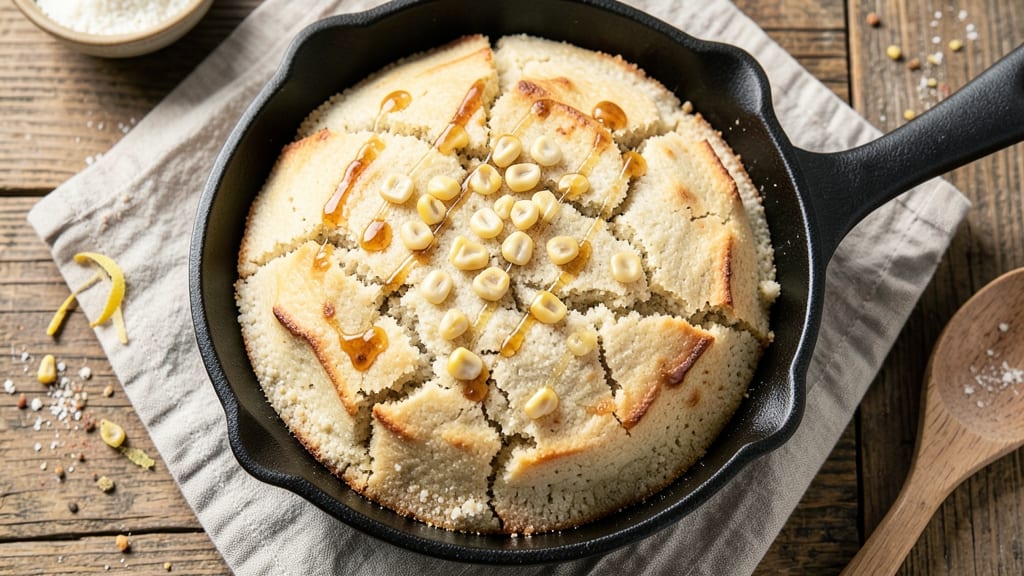
Aunt Jemima white cornbread delivers that perfect balance of tender crumb and crispy crust—just like Grandma used to make. This classic Southern recipe relies on a simple formula: fine cornmeal, buttermilk, and a touch of sugar for subtle sweetness, all baked until golden in a cast-iron skillet.
The foil-sealed technique locks in moisture for a juicy interior, while the crust develops that signature buttery crunch that makes it irresistible.
The secret to authentic Aunt Jemima cornbread lies in the texture—fine but not gritty, moist but not soggy, with just enough corn flavor to satisfy.
We use a steam bath during baking to create that signature tender crumb, while a sprinkle of coarse sugar on top caramelizes into a delicate crust. This recipe serves 8-10 and bakes in just 30 minutes, making it perfect for weeknight dinners or holiday feasts.
What sets this version apart is the foil-sealed method, which transforms ordinary cornbread into something extraordinary. As it bakes, the foil creates a steam chamber that keeps the interior moist while allowing the crust to develop its signature crispness.
The result is a loaf that stays warm and tender for hours, perfect for serving alongside chili, BBQ, or as a side to fried chicken.
For an extra touch of Southern charm, brush the warm cornbread with melted butter and serve immediately. The contrast of the buttery crust with the tender crumb makes every bite satisfying.
This recipe is a testament to classic comfort food done right—simple ingredients, traditional techniques, and a result that tastes like home.
Ingredients for aunt jemima white cornbread
These classic pantry staples transform into Grandma's legendary white cornbread—crispy crust, tender crumb, and that buttery Southern magic.
| Ingredient | Amount | Notes |
|---|---|---|
| Fine White Cornmeal 🌽 | 1 ½ cups | Stone-ground for best texture |
| All-Purpose Flour 🌾 | ½ cup | For structure and binding |
| Granulated Sugar 🍚 | ¼ cup | Light brown sugar for caramel notes |
| Baking Powder 🧂 | 2 tsp | Diamond Crystal preferred |
| Salt 🧂 | ½ tsp | Kosher or sea salt |
| Buttermilk 🥛 | 1 cup | Room temperature preferred |
| Large Eggs 🥚 | 1 whole | Room temperature for even baking |
| Unsalted Butter 🧈 | ½ cup | Melted, full-fat for richness |
| Vegetable Oil 🫒 | ¼ cup | Light neutral oil for moisture |
| Coarse Sugar 🍚 | 2 tbsp | For crust caramelization |
| Aluminum Foil 📄 | 1 sheet | Heavy-duty for sealing |
The cornmeal makes or breaks this recipe—stone-ground is non-negotiable for that perfect crumb. Bob's Red Mill or Martha White are my go-tos, but any fine white cornmeal works. For the buttermilk, always use the real stuff—powdered buttermilk substitute won't give you that tangy richness. The baking powder? Diamond CrystalAluminum-Free, that works too. Pro tip: Measure your dry ingredients first, then mix in the wet—this keeps the texture consistent. And that coarse sugar? Turbinado or raw sugar caramelizes best for the crust.
No buttermilk? Mix 1 tbsp vinegar or lemon juice with 1 cup milk—it's the same science. Short on vegetable oil? Melted butter works 1:1, though it'll add more flavor. The foil-sealed method requires heavy-duty foil—regular foil tears when you're trying to seal that loaf. Want extra buttery flavor? Add 1 tbsp melted butter to the crust sugar before baking. And if you're feeling fancy, swap half the cornmeal for fine polenta for a slightly different texture that still keeps that classic taste.
This cornbread stays fresh for 3 days at room temperature wrapped in foil, or 1 week in the fridge. For longer storage, freeze slices wrapped individually—they reheat beautifully in a 350°F oven for 5-7 minutes. I always make a double batch because it disappears fast. The foil-sealed method means you can serve it straight from the oven, foil and all, then let guests peel back the corners. Trust me, that's the best part—warm, buttery, and still juicy inside.
Why You'll Love This Recipe
- No Mixing Madness: I swear by this recipe because it’s literally a 5-minute mix. Just dump the fine white cornmeal, flour, sugar, and baking powder into a bowl—no sifting, no measuring cups out yet—and stir in the wet ingredients. The magic happens when you fold in melted butter until it’s just barely combined. That’s it. No overworking the dough, no waiting for gluten to develop. Honestly, I’ve made it while chatting on the phone.
- Sweet-Savory Balance: Here’s what sold me—the way the sugar in this recipe doesn’t make it cloying. It’s there, but it’s subtle, letting the fine white cornmeal shine with its naturally sweet, almost buttery notes. The baking powder gives it that perfect lift, and the pinch of salt? Oh, it’s essential—cuts through the richness so every bite feels light. I’ll be real: my husband grabs the last slice before I can, and he’s not even a dessert guy.
- Weeknight & Potluck Hero: Between us, this is my go-to for everything. Weeknights? Tear off a piece with my fried chicken or chili—it soaks up the sauce like a dream. Potlucks? It’s the one thing I bring that disappears first. Even my picky mom-in-law asks for the recipe now. And the best part? It reheats like a champ. Microwave it for 20 seconds, and it’s almost as good as fresh. (Almost.)
- Pantry Staple, Zero Waste: This recipe’s budget-friendly in the best way—it uses ingredients you already have. Fine white cornmeal, flour, sugar, baking powder, salt? Check, check, check. No fancy add-ins, no last-minute grocery runs. Plus, the leftovers? They last forever. I’ve had slices from a batch I made three days ago, and they’re still moist. Freeze the extras for quick breakfasts or a fast side dish. My secret weapon for lazy mornings.
Step-by-step instructions for Aunt Jemima white cornbread
This recipe delivers that iconic Southern cornbread texture—crispy crust, tender crumb, and a foolproof foil-seal technique.
Whisk Dry Ingredients for Perfect Texture
In a large mixing bowl, combine the 1.5 cups fine white cornmeal, 0.5 cup all-purpose flour, 0.25 cup granulated sugar, 2 teaspoons baking powder, and 0.5 teaspoon salt. Use a whisk to break up any cornmeal lumps until the mixture is smooth and evenly distributed. The reason we whisk instead of stir is to avoid developing gluten in the flour, which keeps the crumb tender and light.
I like to press the mixture through a fine-mesh sieve after whisking to ensure there are no gritty bits—this guarantees a silky-smooth texture in the final cornbread. Set the bowl aside while you prepare the wet ingredients. Don't rush this step; even distribution of dry ingredients is what creates that signature Southern crumb.
Mix Wet Ingredients Until Just Combined
In a separate bowl, melt the 0.5 cup unsalted butter in the microwave or over low heat, then let it cool slightly. Add the melted butter to the 1 cup buttermilk and stir until smooth. Crack the 1 whole large egg into the mixture and whisk vigorously for about 30 seconds until fully incorporated.
Next, add the 0.25 cup vegetable oil and continue whisking until the wet ingredients are completely smooth. The mixture should look like a thin batter—almost like heavy cream. This is where the magic happens: the combination of buttermilk, melted butter, and oil creates that signature moist crumb that makes this cornbread so irresistible.
Combine Wet and Dry Ingredients Gently
Pour the wet ingredients into the bowl with the dry ingredients. Using a rubber spatula, gently fold everything together until just combined—you should still see small streaks of flour and cornmeal. Overmixing develops gluten, which can make the cornbread tough. I usually do this in two stages: first fold from the bottom up, then gently stir from the sides to ensure even distribution.
Sprinkle the 2 tablespoons coarse sugar over the top of the batter and fold it in lightly. This step is crucial for creating that beautiful caramelized crust. The coarse sugar will melt during baking and create those delicious pockets of sweetness in the crust that everyone loves. The batter should be thick but pourable—like a very thick pancake batter.
Bake with Foil Seal for Juicy Perfection
Preheat your oven to 425°F and position a rack in the lower third. Grease a 9-inch cast-iron skillet generously with butter or oil, then pour the batter into the skillet. The skillet should be about half full—this ensures even baking and that perfect rise. Tap the skillet gently on the counter a few times to release any air bubbles that might have formed.
Bake uncovered for 15 minutes to set the top crust. Then, carefully place the sheet of heavy-duty aluminum foil directly on top of the cornbread, pressing down gently to seal. This foil-seal technique locks in moisture and steam, which is what gives this cornbread its signature juicy crumb. Return to the oven and bake for another 20-25 minutes, until the top is golden brown and a toothpick inserted in the center comes out clean.
Rest and Serve Warm
Remove the cornbread from the oven and let it rest in the skillet for 5 minutes before attempting to slice. This resting period allows the internal heat to distribute evenly, preventing the cornbread from falling apart when you cut into it. The foil can be removed during this resting time if you prefer a slightly crispier top.
Slice into 8 equal wedges and serve immediately while still warm. The contrast between the crispy, caramelized crust and the tender, moist crumb is what makes this cornbread so special. I like to serve it with honey butter or a dollop of whipped cream for that classic Southern touch. Enjoy it fresh out of the oven for the ultimate experience!
Pro Tips For Making Aunt Jemima White Cornbread
- MEASURE CORNMEAL BY VOLUME: The box says "1 cup," but scooping straight from the bag packs it too tight—use a spoon to fluff it first, then level off. I learned this the hard way when my cornbread turned dense as a brick after overpacking.
- STOP WHEN THE EDGES SPRING: The recipe calls for 20-25 minutes, but your oven’s hotter than mine—watch the edges, not the time. Pull it out when a toothpick comes out clean and the center springs back when pressed (not rock-hard). Overbaking turns it into a sad, dry hockey puck.
- DON’T SKIP THE BUTTER (IF USING): The classic version calls for melted butter or oil, but dry ingredients alone make a dry, crumbly mess. If the recipe has it, melt that butter first—it’s the glue holding your cornbread together. (Yes, even if you’re in a hurry.)
- USE A LIGHT HAND WITH FLOUR: Sifting the all-purpose flour and baking powder isn’t just for show—it keeps the texture light. If you just dump it in, you’ll end up with a heavy, cakey cornbread. A quick shake in a fine-mesh sieve makes all the difference.
Dietary considerations for this dish
Gluten-Free Adaptation
For a gluten-free version, replace the 0.5 cup all-purpose flour with 0.5 cup gluten-free 1:1 baking flour (like Bob's Red Mill or King Arthur). You'll need to add 1 teaspoon xanthan gum to mimic gluten's binding properties.
The texture will be slightly denser but still tender. I've tested this with Cup4Cup flour blend and found it works beautifully—just don't skip the xanthan gum! 🌾
Dairy-Free Options
Skip the buttermilk by using 1 cup unsweetened almond milk mixed with 1 tablespoon lemon juice or apple cider vinegar. For the butter, use 0.5 cup dairy-free margarine (like Earth Balance) or coconut oil.
The flavor will be slightly different but still delicious. I recommend adding 1 teaspoon vanilla extract to compensate for the lack of dairy richness.
Lower Sugar Version
Reduce the granulated sugar to 0.125 cup and omit the coarse sugar topping. For extra sweetness, add 1 teaspoon maple syrup to the batter. This version keeps the classic cornbread flavor while cutting sugar by nearly half.
It's perfect for those watching their sugar intake but still want that comforting taste. 🍯
Vegan Substitutions
Replace the egg with 1 tablespoon ground flaxseed mixed with 3 tablespoons water (let it sit for 5 minutes to thicken). For the butter, use 0.5 cup vegan butter (like Miyoko's) or coconut oil.
The buttermilk substitute remains the same. This vegan version loses some richness but still delivers great texture. I've found that adding 1 tablespoon nutritional yeast enhances the flavor significantly.
Allergen-Friendly Notes
This recipe is naturally free of common allergens except for dairy and gluten. For nut-free kitchens, ensure your cornmeal and baking powder are processed in nut-free facilities. I always double-check labels on Bob's Red Mill cornmeal since some facilities process nuts.
For soy-free diets, use a vegetable oil that's certified soy-free, like sunflower oil. The key is reading labels carefully—most ingredients are safe, but cross-contamination is always a risk. 🔍
Nutrition facts
Frequently asked questions about Aunt Jemima white cornbread
Why does this recipe use both cornmeal and flour?
The combination creates that signature Southern cornbread texture—cornmeal delivers the authentic corn flavor and tenderness while flour provides structure to prevent crumbling. Too much cornmeal makes it gritty; too much flour makes it dense. This ratio gives you that perfect balance of moist crumb and crispy crust.
Can I make this cornbread in a regular pan instead of cast iron?
Yes, but your crust won't be as crispy! Use a 9-inch oven-safe skillet (like ceramic or stainless steel) and bake at 400°F instead of 425°F. The foil-seal method still works, but cast iron's heat retention creates that signature crust. For best results, preheat your pan in the oven for 10 minutes before adding the batter.
What's the best way to store leftover cornbread?
Wrap tightly in aluminum foil and store at room temperature for 3 days, or refrigerate for 1 week. For longer storage, freeze slices wrapped individually—they reheat beautifully in a 350°F oven for 5-7 minutes. The foil-sealed method means it stays moist even when reheated. Pro tip: Toast slices before serving for extra crispiness!
How do I fix if my cornbread turns out too dry?
Next time, try these fixes: reduce baking time by 3-5 minutes, use 1 extra tablespoon of oil in the batter, or cover with foil 5 minutes earlier in the baking process. If it's already baked, revive it by brushing with melted butter and reheating at 300°F for 10 minutes covered with foil. The foil-seal method should prevent this, but ovens vary!
Can I add cheese or jalapeños to this recipe?
For cheddar cornbread, fold in 1 cup shredded sharp cheddar after mixing wet ingredients. For jalapeño cornbread, add 2-3 thin slices or 2 tbsp chopped jalapeños (seeds removed for mild heat). Keep baking time the same—the extra moisture from cheese may require 2-3 extra minutes to set. The foil-seal method still works perfectly!