
Desserts
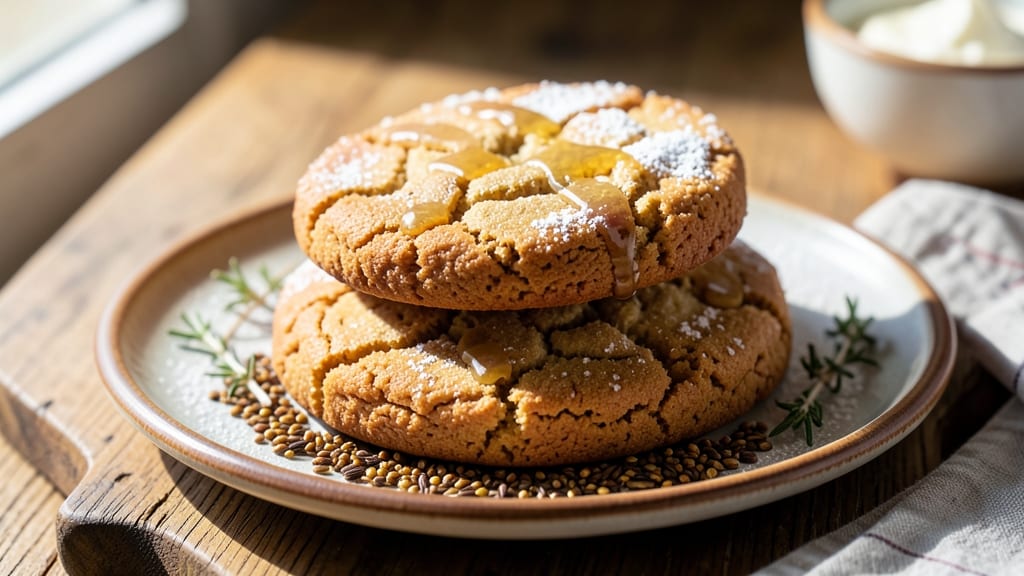
This anise shortbread cookie recipe delivers a sophisticated balance of licorice-kissed warmth and buttery vanilla depth—perfect for those who crave complex flavors without sacrificing simplicity. The secret lies in the anise seeds, which infuse the dough with a subtle, aromatic sweetness that lingers like a whisper of holiday spice.
Unlike traditional shortbread, these cookies develop a delicate crunch around the edges while maintaining a tender, melt-in-your-mouth center—a texture that makes them impossible to resist.
The recipe relies on a foolproof technique that combines cold butter with powdered sugar and anise for a dough that stays firm enough to cut cleanly but tender enough to achieve that signature shortbread texture. No mixer required—just a food processor or sturdy pastry cutter to achieve the perfect crumb.
The dough’s simplicity is its strength, with just five core ingredients that work together to create a cookie with restaurant-quality depth at home.
What sets these apart is the anise’s dual role: it adds a distinctive licorice note that’s both familiar and unexpected, while also enhancing the vanilla’s natural sweetness. The result is a cookie that’s elegant enough for gifting but approachable enough for a weeknight treat.
Baked to a golden, lace-like crust, they’re best enjoyed fresh from the oven—though they’ll keep beautifully for days if stored properly.
Whether you’re serving them at a holiday gathering or savoring them with a cup of tea, these cookies prove that complex flavors and effortless execution can coexist. The anise’s aromatic presence makes them memorable, while the buttery richness ensures they’re universally loved. Let’s make them—your taste buds will thank you.
Ingredients for anise shortbread cookie
Five ingredients, buttery magic, and anise's aromatic whisper—this is your shortbread transformation.
| Ingredient | Amount | Notes |
|---|---|---|
| Unsalted Butter, Cold and Cubed 🧈 | 1 cup | High-fat content for rich texture |
| Powdered Sugar 🍚 | ¾ cup | Confectioners' sugar for sweetness |
| Anise Seeds 🌿 | 1 ½ tbsp | Whole seeds for aromatic depth |
| Pure Vanilla Extract 💧 | 1 tbsp | High-quality, alcohol-based |
| All-Purpose Flour 🌾 | 2 cups | Sifted for light texture |
| Diamond Crystal Kosher Salt 🧂 | ¼ tsp | Fine grain for delicate seasoning |
| Granulated Sugar 🍬 | ¼ cup | For subtle caramel notes |
The unsalted butter is non-negotiable here—European-style or Plugrá if you can find it, but Land O’Lakes works in a pinch. Keep those cubes cold (even after mixing) for that signature shortbread crunch. Anise seeds are the star—Whole Foods bulk section or Penzeys for the freshest, but any grocery store’s spice aisle will do. Toast them lightly in a dry pan for 30 seconds before grinding to deepen their flavor. The powdered sugar should be sifted to avoid lumps—Domino brand is my go-to for reliability. Pro tip: Weigh your butter if you’re precise, but the cup measure works fine for home baking.
No anise seeds? One teaspoon of anise extract (found in specialty stores) or half a teaspoon of licorice powder will mimic the flavor, though the texture will differ slightly. Vanilla bean paste can replace extract if you’re feeling indulgent—just reduce the amount to half a teaspoon. For the flour, King Arthur or Bob’s Red Mill are ideal, but store-brand all-purpose is perfectly fine. Salt is critical—Diamond Crystal dissolves more gently than table salt, but Morton kosher works too. The granulated sugar adds just a hint of caramelization; organic cane sugar has a deeper flavor if you’re splurging, but white sugar is absolutely fine.
This dough is fragile—handle it like you would a snowball, not playdough. Wrap it tightly in plastic wrap and refrigerate for up to 48 hours for maximum flavor development. Once baked, store in an airtight container with parchment paper between layers to maintain crispness. They’ll keep for 5-7 days, though they’re best enjoyed fresh. For gifting, individual portions in cellophane bags with a ribbon make them irresistible—just bake them slightly underdone so they crisp up during transport.
Why You'll Love This Recipe
- Five-Ingredient Magic: I swear by this recipe—just butter, sugar, flour, anise, and vanilla. No weird substitutions, no last-minute grocery runs. The cold cubed butter mixes in effortlessly with your fingers (yes, really), and you’re done shaping in under 10 minutes.
- Licorice-Like Love: That anise seed flavor is unexpectedly addictive—like a whisper of licorice with none of the bitterness. The vanilla ties it all together so smoothly, you’ll find yourself sneaking extra bites when no one’s looking.
- Holiday or Snack Attack: Between us, these are my go-to for Christmas gifts (wrap them in cellophane, tie with ribbon—instant fancy). But honestly? They’re just as welcome on a lazy Sunday morning with coffee or packed in a lunchbox for work.
- Zero-Waste, Long-Lasting: The dough keeps perfectly in the fridge for a week, so you’re never scrambling. And once baked, they stay crisp for days—no soggy bottoms here. Plus, anise seeds are cheap, so you’re not breaking the bank for a batch that’ll disappear fast.
Step-by-step instructions for anise shortbread cookies
Here's how to craft these delicate, licorice-kissed cookies with perfect crumb and vanilla depth.
Toast the Anise Seeds for Maximum Flavor
Heat a dry skillet over medium-low heat and add the 1.5 tablespoons anise seeds. Toast them for 1-2 minutes until they release their aroma and turn a deeper golden color—this enhances their licorice flavor without bitterness. Watch closely; they burn quickly. Transfer the toasted seeds to a small bowl and let cool for 5 minutes before grinding lightly with a mortar and pestle or rolling pin.
This step is crucial—raw anise seeds lack the complexity you want in these cookies. The light toasting brings out their aromatic oils while preventing an overpowering licorice taste. Keep the ground seeds coarse; we want texture, not a smooth paste. The resulting flavor will be subtle yet distinctive, perfectly balancing the buttery sweetness.
Cream Butter and Sugars to Cloud-Like Perfection
In a stand mixer fitted with the paddle attachment, beat the 1 cup cold cubed unsalted butter on medium speed until it becomes smooth and creamy—about 2-3 minutes. Add the 0.75 cup powdered sugar and 0.25 cup granulated sugar, mixing until fully combined and the mixture lightens in color. This should take another 2-3 minutes total.
The butter must be cold when you start, but it will warm slightly during mixing. You're looking for a pale, fluffy texture that nearly doubles in volume—the air incorporated here creates those signature shortbread layers. If the mixture feels too soft, chill it for 10 minutes before proceeding. This ensures your cookies hold their shape beautifully in the oven.
Incorporate Vanilla and Ground Anise
Add the 1 tablespoon pure vanilla extract and the ground anise seeds to the butter mixture. Mix on low speed for 30 seconds until just combined. The vanilla will deepen the cookies' aroma, while the anise adds that distinctive licorice note without overpowering. Be careful not to overmix—just until the seeds are evenly distributed.
Here's where the magic happens: the vanilla's floral notes complement the anise's warmth, creating a sophisticated flavor profile. The ground seeds should be visible throughout the dough, promising bursts of flavor with each bite. If you're using pre-ground anise from a spice jar, toast it first to intensify its flavor—store-bought ground spices often lose potency.
Combine Dry Ingredients for Light Texture
In a separate bowl, whisk together the 2 cups all-purpose flour and 0.25 teaspoon diamond crystal kosher salt until evenly distributed. Gradually add this mixture to the butter mixture, mixing on low speed just until combined—you should still see small flour streaks. Overmixing develops gluten, which leads to tough cookies.
The key here is gentle handling. You want the dough to come together without developing elasticity. Press the dough against the bowl—it should hold its shape when pressed lightly but still feel tender. If it feels too dry, add 1 teaspoon cold water; if too sticky, chill for 15 minutes before shaping. The dough should be soft but manageable, not crumbly or sticky.
Shape and Bake for Delicate Crispness
Preheat your oven to 325°F and line two baking sheets with parchment paper. Divide the dough into 4 equal portions (about 8 ounces each) and wrap each in plastic wrap. Chill for 30 minutes to firm up. Roll each portion into a ½-inch thick log, wrap in parchment paper, and slice into ¼-inch thick rounds.
Place the cookies on the prepared baking sheets, spacing them 1 inch apart. Bake for 12-15 minutes until the edges are just beginning to turn golden but the centers remain pale. They'll continue cooking on the hot sheet. Remove from the oven when they look barely set—they'll firm up as they cool. Let them cool on the baking sheet for 5 minutes before transferring to a wire rack.
These cookies should be tender yet crisp with a delicate crumb. The anise flavor will be subtle but present, like a whisper of licorice in every bite. For even deeper flavor, let them sit in an airtight container for 24 hours before serving—the flavors meld beautifully over time. Store in the fridge for up to 5 days or freeze for 3 months for maximum freshness.
Pro Tips For Making Anise Shortbread Cookie
- Use a Food Processor—But Not Too Long: I learned this the hard way—overmixing anise shortbread turns it into a sad, dense brick. Pulse the cold butter, powdered sugar, and flour in bursts (about 10-12 seconds total) until it just holds together when pressed. You want crumbly, not sticky. Stop before it looks like wet sand, or you’ll regret it later.
- Toast the Anise Seeds First: Sounds weird, but it works: Lightly toast the anise seeds in a dry pan for 30 seconds until fragrant. This deepens their flavor and prevents that bitter aftertaste some recipes warn about. Let them cool completely before mixing—hot seeds will melt your butter prematurely.
- Chill the Dough Twice: Shortbread’s magic is in the cold butter staying cold. After mixing, flatten the dough into a disk and refrigerate for 30 minutes. Then, roll it out and chill the cut-out cookies on a tray for another 10 minutes before baking. This guarantees crisp edges and a tender center—no more cakey disappointments.
- Bake on the Middle Rack: Anise shortbread is delicate—too high, and it burns before browning; too low, and it spreads into a sad pancake. The middle rack ensures even heat. Rotate the tray halfway through if your oven runs hot, and bake until the edges are just golden, not deep brown. They’ll firm up as they cool—don’t overdo it.
Storing and reheating this dish
Room-Temperature Revival
If your anise shortbread cookies have lost their crispness at room temperature, place them on a baking sheet and warm in a 300°F oven for 3-5 minutes.
This reactivates their buttery crunch without overcooking. For an extra boost, sprinkle with a tiny pinch of granulated sugar before reheating to restore that golden sheen. 💫
Fridge Storage Secrets
Store cookies in an airtight container with parchment paper between layers to prevent sogginess. They'll keep for 5-7 days at 40°F or below. For best flavor, let them sit at room temperature for 10 minutes before serving—this enhances the anise aroma.
I like to portion them into small containers for easy snacking.
Freezer Preservation
For long-term storage, freeze cookies in a single layer on a baking sheet for 1 hour to prevent sticking, then transfer to a freezer bag with parchment between layers.
They'll maintain freshness for 3 months. Thaw at room temperature for 20-30 minutes before enjoying—no reheating needed for this delicate texture.
Microwave Refresh
Need a quick fix? Place 1-2 cookies on a microwave-safe plate and heat for 8-10 seconds on 50% power. This just warms them through without drying out.
For a crispier texture, pop them in the oven at 325°F for 2 minutes instead. The anise flavor actually intensifies slightly when warmed.
Gift-Worthy Packaging
For holiday gifting, pack cookies in cellophane bags with a ribbon tie and include a handwritten note about the anise flavor. Store them in the freezer until gifting day—they'll thaw beautifully at room temperature. This presentation makes them feel special while keeping them perfectly crisp. 🎁
Nutrition facts
Frequently asked questions
Can I substitute anise seeds with another spice?
Yes, but the flavor will change. For a similar licorice note, use 1 teaspoon anise extract or ½ teaspoon licorice powder. If you prefer a different flavor, try ½ teaspoon fennel seeds (toasted) for a sweeter, more floral taste. Star anise is too strong—use only ¼ teaspoon if substituting. The anise seeds provide both flavor and subtle texture, so any replacement should be ground lightly for best results.
Why does my dough feel too sticky or crumbly?
Sticky dough usually means the butter warmed too much during mixing. Chill the dough for 15-20 minutes before shaping. If it's crumbly, add 1 teaspoon cold water at a time until it holds together. The dough should be soft but manageable—not sticky enough to leave marks when pressed. Cold butter is key: keep your mixing bowl and tools chilled to maintain the proper texture.
Can I make these cookies without a food processor?
Use a sturdy pastry cutter or two forks to cut the cold butter into the flour until you get pea-sized crumbs. Mix just until combined—overworking develops gluten, which makes cookies tough. For the butter-sugar mixture, use a hand mixer or even a wooden spoon with elbow grease. The texture will be slightly less refined but still delicious.
How do I prevent the edges from getting too brown?
Reduce the oven temperature to 300°F and bake for 14-16 minutes instead of 325°F. Place the baking sheet on the middle rack to ensure even heat distribution. For extra insurance, cover the edges with aluminum foil during the last 5 minutes of baking. The cookies should have a pale golden edge with a tender center.
What's the best way to enhance the anise flavor?
Toast the anise seeds before grinding for deeper flavor. For an extra boost, add ½ teaspoon orange zest to the dough—it complements the licorice notes beautifully. If you love vanilla, replace the extract with 1 teaspoon vanilla bean paste. Let the baked cookies sit in an airtight container for 24 hours before eating—the flavors meld and intensify over time.