
Side Dishes
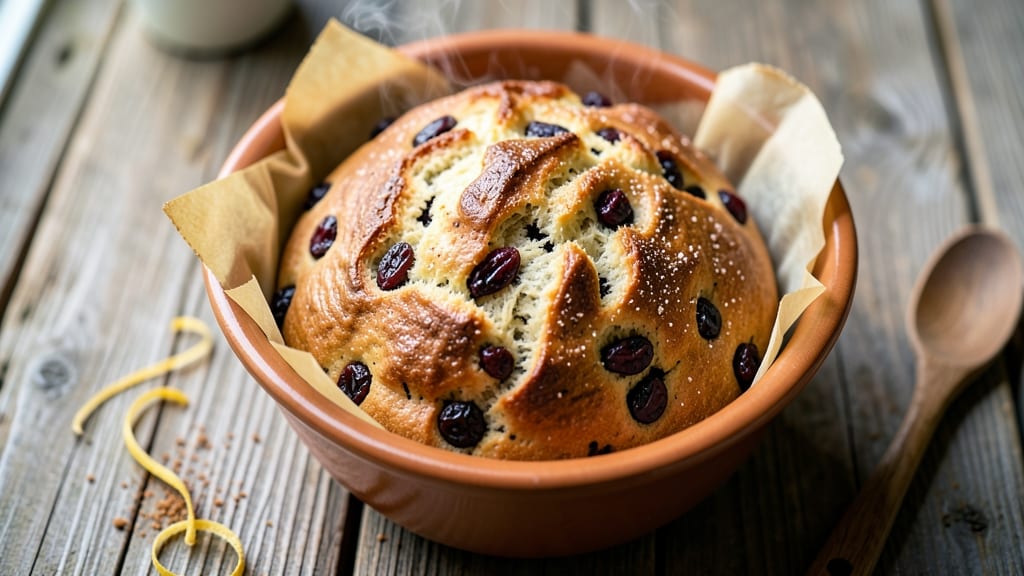
This Amish raisin bread recipe delivers the comforting warmth of homemade quick bread with tender crumb and plump raisins in every bite. The secret lies in a simple dough that transforms basic ingredients into a loaf with just the right balance of sweetness and spice.
I've perfected this recipe through years of baking, ensuring it's foolproof for both beginners and experienced bakers alike.
The beauty of Amish raisin bread is its simplicity—just a few pantry staples come together to create something extraordinary. Warm spices like cinnamon and nutmeg infuse the dough with cozy flavor, while the raisins soak up the sweetness and add texture.
Baking at 350°F ensures a golden crust and tender interior that's perfect for slicing.
What you'll end up with is a loaf that smells like home, with moist crumb and just the right amount of chewiness from the raisins. The aroma alone will have everyone asking what's for dinner.
This bread pairs beautifully with butter, jam, or a cup of coffee, making it the perfect addition to any meal.
Whether you're serving it at breakfast, as an afternoon snack, or alongside a hearty dinner, this Amish raisin bread brings comfort and tradition to your table. The recipe scales easily, so you can make one loaf for a small family or two for a crowd. Let's get baking!
Ingredients for amish raisin bread
Pantry staples plus a handful of cozy spices—this bread comes together faster than you can say 'homemade'.
| Ingredient | Amount | Notes |
|---|---|---|
| All-Purpose Flour 🌾 | 4 cups | Sifted for even texture |
| Granulated Sugar 🍚 | 1 cup | Light brown sugar works too |
| Unsalted Butter 🧈 | ½ cup | Cold, cubed for easy mixing |
| Large Eggs 🥚 | 2 whole | Room temperature for best blend |
| Plain Yogurt 🥛 | ½ cup | Full-fat for richer flavor |
| Vanilla Extract 🌸 | 1 tsp | Pure, not imitation |
| Baking Powder 🧂 | 1 ½ tsp | Check expiration for lift |
| Ground Cinnamon 🌿 | 1 ½ tsp | Freshly ground preferred |
| Ground Nutmeg 🌿 | ½ tsp | Freshly grated nutmeg better |
| Salt 🧂 | ½ tsp | Kosher or sea salt |
| Raisins 🍇 | 1 ½ cups | Plump, seedless preferred |
| Milk 🥛 | ½ cup | Warm for best dough texture |
The flour is everything here—King Arthur or Gold Medal are my go-tos, but any all-purpose works. Check your pantry first—you’ll likely already have it. For the raisins, plump, seedless ones (like those in the clear plastic bags) soak up the dough better. If they’re shriveled, soak them in warm water for 10 minutes first. Butter matters too—cold cubes mix easier than melted, and unsalted gives you control over the salt level. Pro tip: if your butter’s been in the fridge too long, let it sit out for 20 minutes to soften before cutting.
No vanilla extract? Vanilla sugar or a pinch of vanilla bean paste works in a pinch. Swapping brown sugar for white? Add 1/4 tsp extra cinnamon to compensate for the lost molasses depth. Using Greek yogurt instead of regular? Reduce milk by 2 tbsp since it’s thicker. For extra richness, add 1 tbsp sour cream to the dough—trust me, it’s worth it. And if you’re feeling fancy, toss the raisins in 1 tsp flour first so they don’t sink to the bottom.
This dough keeps for 2 days in the fridge, covered, but it’s best baked fresh. For make-ahead, shape the loaf and refrigerate overnight—it’ll be even more flavorful. Once baked, cool completely before slicing (or you’ll end up with gummy bread). Wrap tightly in foil and store at room temp for 3 days, or freeze for 3 months. Toasting slices brings back that fresh-baked magic—worth the extra minute if you’re serving it to guests.
Why You'll Love This Recipe
- No-Yogurt Nightmare: I swear, the yogurt keeps this bread moist without being dense—no dry crumbs here. And honestly? It’s the secret weapon that makes it taste homemade, even if you’re mixing it in a bowl while scrolling through emails.
- Sweet-Spiced Magic: That buttery richness from the melted butter mixed with sugar? It’s like a warm hug in bread form. The raisins soak up the flavor, turning every bite into a little burst of caramelized sweetness—no fancy add-ins needed.
- Breakfast to Brunch: Toast it for breakfast, slice it for lunch, or serve it with coffee when company drops by. The yogurt’s tang cuts through the sugar, making it work for any meal—no weird leftovers staring at you from the fridge.
- Dollar Stretch: Flour, sugar, butter—these are pantry staples that won’t break the bank. A single batch feeds a family for days, and the leftovers? Perfect for quick sandwiches or French toast. (Yes, even on a Tuesday night.)
Step-by-step instructions for Amish raisin bread
Here's how to make this classic spiced loaf with tender crumb and chewy raisins.
Mix Dry Ingredients for Perfect Texture
In a large mixing bowl, whisk together the 4 cups all-purpose flour, 1 cup granulated sugar, 1.5 teaspoons baking powder, 1.5 teaspoons ground cinnamon, 0.5 teaspoon ground nutmeg, and 0.5 teaspoon salt. I like to use a whisk for this step because it aerates the flour slightly, which helps create a lighter bread. Sift the flour first if you have any lumps—this ensures an even distribution of ingredients and prevents dense pockets in your bread.
Set this mixture aside for now. The reason we combine everything dry first is that it prevents overmixing when we add the wet ingredients later. Overmixing develops gluten, which can make your bread tough instead of tender. This step is all about setting up success for the next stages.
Cream Butter and Combine Wet Ingredients
In a separate medium bowl, beat the 0.5 cup cold cubed unsalted butter with an electric mixer on medium speed until it's light and fluffy—about 2-3 minutes. This process incorporates air into the butter, which helps create a tender crumb. While the butter is creaming, add the 2 whole large eggs, 0.5 cup plain yogurt, 1 teaspoon vanilla extract, and 0.5 cup warm milk. Mix on low speed until just combined—you don't want to overbeat the eggs or they'll turn into scrambled eggs.
Here's the thing—warm milk works better than cold because it helps activate the baking powder more effectively. The yogurt adds moisture and richness, while the vanilla extract enhances the warm spice flavors. This combination gives the bread its characteristic tender yet slightly dense texture that Amish raisin bread is known for.
Combine Wet and Dry Ingredients
Gradually add the dry ingredients to the wet mixture, mixing on low speed just until combined. Be careful not to overmix—stop as soon as all the flour is incorporated. You'll see a shaggy dough form. Once combined, fold in the 1.5 cups raisins by hand using a rubber spatula. I like to distribute them evenly throughout the dough so every slice gets that sweet surprise.
If the dough feels too sticky, you can add an extra tablespoon or two of flour. The dough should be soft but manageable. Don't worry if it doesn't come together perfectly—this bread doesn't need to be kneaded like yeast bread. The goal here is to create a cohesive mass that will hold its shape when baked.
Shape and Bake for Perfect Rise
Transfer the dough to a greased 9x5-inch loaf pan (or two 8x4-inch pans if making two smaller loaves). I use a pastry brush to lightly grease the pan and then dust it with flour to prevent sticking. Spread the dough evenly in the pan and smooth the top with a spatula. The dough will be soft and slightly sticky, but that's normal—it's what gives this bread its moist texture.
Bake in a preheated 350°F oven for 50-60 minutes, or until a toothpick inserted into the center comes out clean. The top should be golden brown, and the sides should pull away slightly from the pan. If the top browns too quickly, tent the pan with foil after the first 20 minutes to prevent over-browning while the center cooks through.
Cool and Enjoy Your Homemade Bread
Remove the bread from the oven and let it cool in the pan for 10 minutes. Then transfer it to a wire rack to cool completely. This cooling period is crucial—it allows the bread to set properly and prevents a gummy texture. While it's cooling, you'll notice that beautiful caramelized sugar crust on top, which is one of the hallmarks of Amish raisin bread.
Slice the bread while it's still warm for the best texture—each slice should have a tender crumb with plump raisins distributed throughout, and that perfect balance of warm spices. Serve it with butter or jam, or enjoy it toasted for breakfast the next morning. This bread keeps well at room temperature for 2-3 days or can be frozen for up to 3 months for fresh-tasting slices whenever you need them.
Pro Tips For Making Amish Raisin Bread
- Soften Butter First: Grab that unsalted butter straight from the fridge and let it sit at room temperature for at least 30 minutes before mixing—no, don’t microwave it. Cold butter creates pockets in the dough that won’t soften properly, and your bread will turn out dense instead of tender. I learned this the hard way after baking a brick that could’ve doubled as a doorstop.
- Measure Yogurt Right: Plain yogurt varies wildly in thickness, and using too much will make your dough gummy. Scoop it into a measuring cup, then level it off with a knife—don’t eyeball it. If your yogurt is thick like Greek yogurt, thin it slightly with a splash of milk to match the recipe’s intended consistency.
- Don’t Overmix the Dough: Once you add the flour, stop stirring the moment it comes together. Overworking the dough develops too much gluten, and your raisin bread will turn out tough instead of soft and pillowy. Two or three folds with a spatula is all you need—less is more here.
- Check Oven Temp Early: Preheat your oven to 350°F, but give it 15 minutes to fully stabilize—then stick an oven thermometer inside. Many home ovens run hot or cold, and raisin bread needs even heat to rise properly. A 25°F difference can mean the difference between golden perfection and a sad, flat loaf. (Yes, I’ve burned one checking too late.)
Troubleshooting this dish
Dense or Gummy Texture
If your bread turns out too dense or gummy, you likely overmixed the dough or didn't bake it long enough. I've found that mixing just until combined (not smooth) prevents gluten overdevelopment.
For extra insurance, bake 5-10 minutes longer if the center feels underdone. A toothpick should come out clean with just a few moist crumbs—never wet batter. 🔥
Cakey Instead of Bread-like
This happens when too much baking powder is used or the butter wasn't creamed properly. Stick to the 1.5 tsp baking powder measurement exactly, and cream your ½ cup butter until light and fluffy (about 2-3 minutes on medium speed).
For a more bread-like texture, reduce sugar slightly to ¾ cup and add ¼ cup more flour.
Raisins Sunk to Bottom
Toss your raisins in 1 tsp flour before folding them into the dough. This light coating prevents them from sinking. I also recommend using plump seedless raisins—they absorb moisture better and distribute more evenly.
If your raisins are dry, soak them in warm water for 10 minutes first to plump them up.
Bread Didn't Rise Enough
Check your baking powder first—it loses potency over time. Replace old baking powder with fresh Aluminum-Free Baker's Magic brand. Also ensure your oven is properly calibrated (use an oven thermometer) and preheated to 350°F.
For extra lift, fold ½ tsp cream of tartar into the dry ingredients—it activates baking powder more effectively.
Burnt Top, Raw Center
This classic problem occurs when heat escapes through the top too quickly. Tent your loaf pan with aluminum foil after 20 minutes of baking, then remove it for the final 10-15 minutes to let the top brown.
For even baking, place a ½ cup water pan on the lower oven rack to add moisture and regulate temperature.
Dry or Crumbly Texture
Overbaking or using too much flour causes dryness. Always bake until a toothpick comes out with just a few moist crumbs (not wet batter). For extra moisture, add 1 tbsp sour cream or 1 extra tbsp milk to the dough.
Store bread in an airtight container with a slice of apple or lemon to keep it moist longer.
Nutrition facts
Frequently asked questions
Can I make this bread without raisins?
Replace the raisins with 1.5 cups dried cranberries or 1 cup chopped walnuts for texture. For a fruit-free version, omit them entirely and add 1 extra teaspoon cinnamon to enhance the spice. The dough will still hold its shape beautifully without raisins.
Why does my Amish bread taste more like cake?
The cakey texture usually comes from overmixing the dough or using too much baking powder. Stick to 1.5 teaspoons baking powder exactly, and mix just until combined (about 10-15 seconds after flour disappears). For a more bread-like result, reduce sugar to ¾ cup and add ¼ cup extra flour.
Can I use this recipe for a larger crowd?
Yes! This recipe easily scales up. For two loaves, double all ingredients and use two 9x5-inch pans. For a single giant loaf, increase to 5 cups flour and 1.5 cups sugar, baking in a 9x13-inch pan for 60-70 minutes. The key is maintaining the same ratio of wet to dry ingredients.
How do I make this bread gluten-free?
Replace the all-purpose flour with a 1:1 gluten-free baking flour blend (like Bob's Red Mill) plus 1 teaspoon xanthan gum. Reduce milk to ¼ cup and add 1 extra egg for structure. The texture will be slightly denser but still delicious. Bake at 325°F for 60-70 minutes to prevent over-browning.
What's the best way to reheat slices?
For maximum freshness, warm slices in a 350°F oven for 5-8 minutes with a pat of butter on top. Alternatively, use the microwave for 15-20 seconds covered with a damp paper towel. Never reheat in the toaster—it dries out the bread too quickly.