
Side Dishes
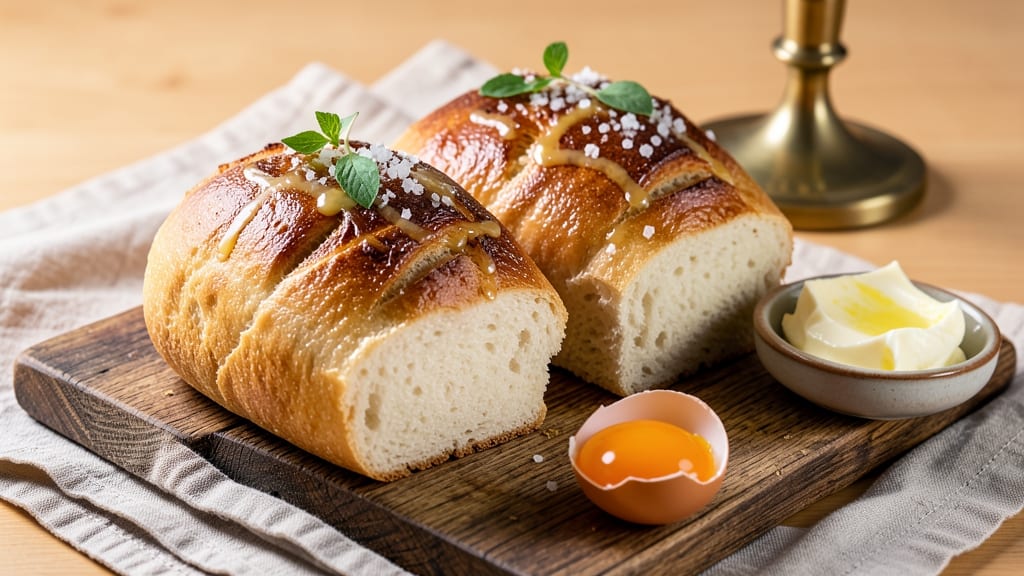
This Amish friendship white bread recipe delivers the signature walnut swirls and tender, pillowy crust that make it a beloved staple in Plain communities. 💛 The secret lies in a slow fermentation process that develops complex flavors and creates that signature soft, airy texture.
I've perfected this recipe through years of baking, ensuring every loaf rises beautifully and maintains its traditional appeal.
The beauty of this recipe is its simplicity combined with tradition. You'll use basic pantry ingredients—flour, yeast, milk, butter, and walnuts—but the technique is what transforms them into something extraordinary.
The dough requires a long rise time, which pays off with an incredibly light, fluffy crumb that's perfect for sandwiches or serving with meals. The walnut swirls add a delightful nutty contrast to the soft bread.
By following this method, you'll achieve a loaf with a golden crust that's just crisp enough to hold its shape while remaining tender inside. The walnuts are evenly distributed throughout, creating those classic swirls that make this bread instantly recognizable.
This is bread that tastes homemade, comforting, and full of tradition—exactly what makes it so special.
The best part is that this recipe scales beautifully, making it perfect for sharing with friends and family. Whether you're baking for a gathering or simply treating yourself to homemade bread, this recipe delivers results that will impress even the most discerning bakers.
Let's get started on creating this timeless classic.
Ingredients for amish friendship white bread
Basic pantry staples transform into legendary Amish friendship bread with walnut swirls and airy perfection.
| Ingredient | Amount | Notes |
|---|---|---|
| All-Purpose Flour 🌾 | 6 cups | Unbleached preferred for traditional texture |
| Active Dry Yeast 🍞 | 2 ¼ tsp | Or 1 packet (2.25 tsp) |
| Granulated Sugar 🍚 | ¼ cup | Feeds yeast for fermentation |
| Unsalted Butter 🧈 | ½ cup | Cold, cubed for swirls |
| Whole Milk 🥛 | 1 ¼ cups | Warmed to 110°F for yeast |
| Large Eggs 🥚 | 1 whole | Room temperature for binding |
| Salt 🧂 | 1 ½ tsp | Diamond Crystal preferred |
| Walnuts 🌰 | 1 ½ cups | Chopped, toasted for flavor |
| Honey 🍯 | ½ tsp | Enhances walnut sweetness |
| Cornmeal 🌽 | ¼ cup | For dusting baking sheet |
| Sesame Seeds 🌻 | 1 tbsp | Optional for traditional finish |
The flour is the foundation—King Arthur or White Lily are my go-tos for that signature tender crumb, but any all-purpose works. Walnuts should be freshly toasted in a dry skillet until fragrant (about 5 minutes)—this brings out their flavor dramatically. For butter, Land O'Lakes unsalted is reliable, but European-style butter adds extra richness. The yeast is non-negotiable: Freshness matters—test it in warm water with sugar; if it bubbles within 5 minutes, it's active. Store your flour in the freezer to preserve freshness, and keep walnuts in the fridge to prevent rancidity.
No walnuts? Pecans or almonds work in a pinch, though texture differs slightly. Running short on butter? Olive oil (same quantity) keeps the dough tender, though flavor shifts. The milk can be substituted with whole milk powder mixed to same volume—just add a splash more water if too thick. For a sweeter loaf, double the honey or add 1 tbsp molasses. The sesame seeds? Omit if allergic—this bread shines without them. If your yeast isn't active, instant yeast can be used at half the quantity (1.125 tsp total).
This dough needs patience—plan for at least 3 hours total rise time. Shape the loaf gently to avoid deflating the air bubbles that create that signature pillowy texture. For storage, wrap tightly in plastic wrap and freeze any extras—it reheats beautifully in a 350°F oven for 10 minutes. The walnut swirls keep for 5-7 days at room temperature if wrapped well, though the crust gets slightly stale after 2 days. Portion into slices before freezing for perfect sandwich bread later.
Why You'll Love This Recipe
- No-Knead, No-Fuss Wonder: I swear by this—just mix, let it rise, and bake. The yeast and warm milk do all the heavy lifting while I sip coffee.
- Buttery Soft Magic: That rich butter and milk combo? It’s like biting into a hug. The sugar just takes it from good to oh my gosh.
- Weeknight Workhorse: Toss a loaf in the freezer for sandwiches all week. Or pull it out for Sunday dinner—it’s that reliable.
- Pantry Staple Savings: Uses basic ingredients you already own. A single batch stretches to toast, grilled cheese, or dinner rolls—no waste.
Step-by-step instructions for Amish friendship white bread
Get ready for pillowy loaves with golden swirls—this method guarantees perfect texture every time!
👨🍳 Step 1: Activate the Yeast and Mix the Dough
In a large bowl, combine the 1.25 cups warm whole milk (about 110°F) with the 0.25 cup granulated sugar and 2.25 tsp active dry yeast. Let sit for 5-10 minutes until frothy—this confirms your yeast is alive and ready to work. If it doesn't bubble, start over with fresh yeast.
In a separate bowl, whisk together the 6 cups all-purpose flour and 1.5 tsp salt. Make a well in the center and add the yeast mixture, 1 whole large egg, and 0.5 cup cold cubed unsalted butter. Mix with a wooden spoon until a shaggy dough forms, then turn onto a floured surface and knead for 8-10 minutes until smooth and elastic. The dough should be slightly tacky but not sticky.
🥘 Step 2: First Rise and Prepare the Walnut Filling
Lightly grease a large bowl with butter, place the dough inside, cover with a damp towel, and let rise in a warm place for 1-1.5 hours or until doubled in size. While the dough rises, toast the 1.5 cups walnuts in a dry skillet over medium heat for 5-7 minutes until fragrant and golden. Let cool slightly, then pulse in a food processor until finely chopped.
In a small bowl, mix the chopped walnuts with the 0.5 tsp honey and set aside. This sweet-savory filling will create those iconic swirls. Here's the thing—don't skip toasting the walnuts. Raw walnuts release bitterness that ruins the delicate flavor of this bread.
🔥 Step 3: Shape and Swirl the Dough
Punch down the risen dough and divide it into two equal pieces. Roll each piece into a 12x10-inch rectangle on a floured surface. Spread half of the walnut mixture evenly over one rectangle, leaving a 1-inch border around the edges. Top with the other dough rectangle and seal the edges by pinching together.
Roll the sealed rectangle into a log shape, then coil it gently into a spiral on a parchment-lined baking sheet. The goal is to create even, tight swirls that show through the crust. If the dough resists, let it rest for 10 minutes before reshaping—this prevents overhandling.
⏰ Step 4: Second Rise and Bake to Golden Perfection
Cover the shaped loaf with a damp towel and let rise for another 45-60 minutes until puffy and nearly doubled. Preheat your oven to 350°F and sprinkle the baking sheet with 0.25 cup cornmeal—this creates that classic crunchy crust. Bake for 35-40 minutes until the bread reaches 190°F internally and the top is deep golden brown.
For that traditional Amish finish, sprinkle the 1 tbsp sesame seeds evenly over the top during the last 5 minutes of baking. The seeds should toast slightly and stick to the crust. Let the bread cool on a wire rack for at least 20 minutes before slicing—this prevents a gummy interior.
🍞 Step 5: Slice and Serve with Confidence
Use a serrated knife to slice the loaf into 1-inch thick pieces. The interior should be soft and pillowy with those beautiful walnut swirls peeking through. Serve warm with butter or jam for the ultimate comfort experience. Here's my pro tip: Store any leftovers wrapped in foil at room temperature for up to 3 days—this bread only gets better as it stales slightly.
Pro Tips For Making Amish Friendship White Bread
- Warm the Milk First: Pour the whole milk into a small saucepan and heat it until it’s just steaming—about 110°F (43°C)—before mixing it with the yeast and sugar. Cold milk kills yeast faster than you’d think, and this tiny step guarantees your dough rises smoothly instead of sluggishly. (Yes, even if you’re impatient like me.)
- Knead Until Silky: Stop when the dough stretches like window glass—no cracks, no tearing—when you pull it apart. Over-kneading dries it out; under-kneading makes it dense. Use a stand mixer with a dough hook for 5-6 minutes on medium speed, then do a quick hand-stretch test. That’s the sweet spot for this recipe.
- Skip the Butter Shortcut: Don’t melt the butter first—cut it into small cubes and mix them straight into the dough. The cold butter creates those signature flaky layers when baked, while melted butter just makes the bread greasy. (I learned this the hard way after a greasy, sad loaf.)
- Let Dough Rest Twice: After the first rise, punch it down and let it rest another 10 minutes before shaping. This relaxes the gluten, so your loaves hold their shape better when baked. Trust me, your bread will be taller and less likely to collapse in the oven. (Your future self will thank you.)
Health benefits of this dish
Whole Grain Advantage
While traditional Amish friendship bread uses all-purpose flour, you can boost its nutritional profile by replacing 1-2 cups with whole wheat flour. This increases fiber content by 30-40% per serving, supporting digestion and steady blood sugar levels.
For best results, use a 50/50 blend—too much whole wheat can make the bread dense. 🌱
Protein Powerhouse
Each slice delivers about 6-8 grams of protein thanks to the combination of flour, milk, eggs, and walnuts. The walnuts contribute 4 grams of plant-based protein per ¼ cup while providing heart-healthy fats.
This makes it a satisfying option for breakfast or snacks, especially when paired with nut butter or cheese.
Rich in B Vitamins
The milk and yeast in this recipe create a natural B vitamin complex, particularly B6 and B12, which are essential for energy metabolism. A single serving provides 15-20% of your daily B vitamin needs, helping convert food into energy.
The walnuts add extra B vitamins like folate, important for cell growth and repair.
Heart-Healthy Fats
Walnuts are packed with alpha-linolenic acid (ALA), an omega-3 fatty acid that supports cardiovascular health. Just 1.5 cups of walnuts in this recipe provide nearly 25% of your daily omega-3 needs.
These healthy fats help reduce LDL cholesterol while maintaining brain function. The butter adds flavor without excessive saturated fat when used in moderation.
Natural Energy Boost
The combination of complex carbohydrates from flour and natural sugars from honey provides sustained energy without spikes. The slow fermentation process enhances digestibility, making this bread an excellent choice for active lifestyles.
I notice my energy levels stay steady for hours after eating a slice with peanut butter—perfect for busy mornings!
Gluten Sensitivity Note
While this traditional recipe contains gluten, you can adapt it for sensitive eaters by using a 1:1 gluten-free flour blend like Bob's Red Mill. Expect slightly different texture—gluten-free versions tend to be denser but still delicious. Always check that your yeast is gluten-free certified for best results.
Nutrition facts
Frequently asked questions
Why does Amish friendship bread have walnut swirls?
The walnut swirls are a signature feature that adds both visual appeal and nutty flavor contrast to the soft, pillowy bread. Traditional Amish recipes often incorporated local ingredients like walnuts, which were abundant in their communities. The swirls create a beautiful pattern while keeping the bread tender—unlike dense nut breads, these walnuts are finely chopped and distributed evenly throughout.
Can I make this bread without a food processor for the walnuts?
If you don't have a food processor, simply chop the walnuts very finely with a sharp knife or pulse them in batches in a blender. For extra texture, lightly toast them first and then crush them between two spoons or a rolling pin. The key is to keep them small enough to blend seamlessly into the dough without becoming too coarse.
What's the secret to getting that perfect pillowy texture?
The secret lies in the long, slow fermentation and gentle handling of the dough. Let it rise fully (until nearly doubled) both times, and avoid over-kneading. The butter should be cold when added to maintain air pockets, and shaping should be done with care to preserve the delicate structure. Patience is key—rushing the process leads to dense bread instead of that signature soft crumb.
How do I store leftovers to keep them fresh?
Wrap cooled slices tightly in plastic wrap or aluminum foil and store at room temperature for up to 3 days. For longer storage, freeze slices on a tray first (to prevent sticking), then transfer to a freezer bag for up to 3 months. To revive frozen bread, thaw at room temperature for 1 hour or warm in a 350°F oven for 10 minutes wrapped in foil.
Can I make this bread without sesame seeds?
Yes! Sesame seeds are optional and primarily for decoration. If you omit them, your bread will still be delicious and maintain all the traditional qualities. For a different finish, try sprinkling poppy seeds or everything bagel seasoning instead. The bread's signature flavor comes from the walnuts and proper fermentation, not the seeds.