
Side Dishes
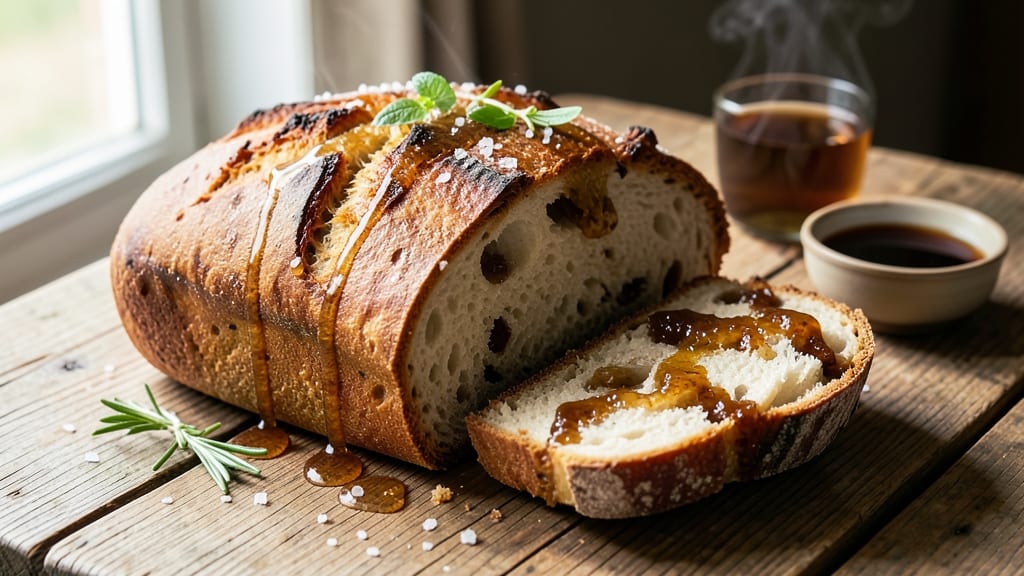
This Albany bread recipe delivers the perfect balance of sweet molasses caramel and tender, buttery layers that make it a Southern classic. 💛 Born in Appalachian kitchens, this bread stands out with its signature swirls and soft crumb that begs for butter or jam.
The secret lies in precise dough preparation and baking techniques that create that signature pillowy texture.
What sets Albany bread apart is its rich molasses flavor, which transforms into deep caramel notes during baking. The dough requires patience—kneading until smooth and letting it rest creates the ideal structure for those signature swirls.
A warm oven and proper steam development ensure a golden crust while keeping the interior tender and moist.
By the time it emerges from the oven, you'll have a loaf with crisp edges and a soft, buttery crumb that practically melts in your mouth. The molasses swirls add just the right amount of sweetness, making it perfect for breakfast toast or as a side to savory dishes.
This bread is a celebration of tradition with every bite.
The beauty of Albany bread is its versatility—serve it warm with butter, drizzle with honey, or pair it with jam for a sweet treat.
Its rich flavor and tender texture make it a standout addition to any meal, whether you're hosting a family gathering or simply enjoying a quiet morning at home.
Ingredients for albany bread
Twelve ingredients for a bread that's equal parts buttery, sweet, and tradition-rich.
| Ingredient | Amount | Notes |
|---|---|---|
| All-Purpose Flour 🌾 | 5 cups | Plus 1 tbsp for dusting |
| Granulated Sugar 🍚 | ¼ cup | For dough sweetness |
| Active Dry Yeast 🍞 | ¼ oz | Or 2.25 tsp (1 packet) |
| Unsalted Butter 🧈 | ½ cup | Cold, cubed (salted works too) |
| Molasses 🍯 | ½ cup | Unsulphured preferred |
| Warm Water 💧 | ¾ cup | 110°F (43°C) ideal |
| Salt 🧂 | 1 tsp | Diamond Crystal preferred |
| Large Eggs 🥚 | 1 whole | Room temperature |
| Milk 🥛 | ¼ cup | Any variety (whole preferred) |
| Vanilla Extract 🌸 | 1 tsp | Pure vanilla preferred |
| Baking Soda 🧪 | ½ tsp | For molasses swirl |
| Brown Sugar 🍚 | ¼ cup | Packed, for swirl |
The molasses is non-negotiable—unsulphured gives the deepest flavor. Whole Foods or local grocers often carry the best quality, but any store's molasses will work (just avoid sulphured). For yeast, Bob's Red Mill active dry yeast is my go-to—it's reliable and widely available. The butter should be cold but not rock-hard; Land O'Lakes or Plugrá work perfectly. Pro tip: measure flour by scooping and leveling—don't pack it down or the texture suffers. If you're in a rush, instant yeast works at the same amount, but active dry gives slightly better rise.
No molasses? Dark corn syrup at half the amount mimics the caramel notes, though purists will notice the difference. Running short on butter? Vegetable shortening maintains the same texture, but the flavor won't be as rich. For the swirl, brown sugar and baking soda create that signature tangy-sweet contrast—don't skip the baking soda, or the swirl won't caramelize properly. The vanilla extract can be swapped for vanilla bean paste if you're feeling fancy, but pure extract works just fine. If your dough feels too sticky, add 1 tbsp more flour incrementally until it's just tacky to the touch.
This dough needs time—at least 2 hours of rising at room temp, then another hour in the fridge overnight for best flavor. Store wrapped at room temp for 3 days or freeze the dough for up to 3 months. For the swirl, keep the molasses mixture cold until you're ready to fold it in—chill it 10 minutes before adding to the dough. Slice bread warm for clean cuts, and toast it within 2 days to preserve that pillowy texture. Leftovers? Wrap tightly and reheat in a 350°F oven for 5 minutes to revive the crust.
Why You'll Love This Recipe
- No-Knead Magic: I swear by this dough—just mix, let it rise, and bake. The molasses and butter give it that deep, caramelized crust without a single punch of effort from me.
- Molasses Kiss: That slow-simmered molasses flavor? It’s like a warm hug for your taste buds. The sugar and yeast team up to create a loaf that’s sweet but not cloying—more like a grown-up dessert.
- Breakfast to Brunch: Honestly, this bread is my go-to for toast in the morning or French toast on lazy Sundays. The butter keeps it rich, and the crust stays crisp even after reheating.
- Budget-Friendly Staple: Four simple ingredients stretch to feed my whole family, and leftovers toast up perfectly for days. I’ve made this for under $2 a loaf—no guilt, just great bread.
Step-by-step instructions for Albany bread
Here's the method for achieving that signature buttery swirl and tender crumb.
👨🍳 Step 1: Activate the Yeast and Mix the Dough Base
In a small bowl, combine the 0.75 cup warm water (around 110°F), 0.25 cup granulated sugar, and 0.25 oz active dry yeast. Let sit for 5-10 minutes until foamy—this confirms your yeast is active. If it doesn't foam, your yeast may be dead and you'll need to start over.
In a large bowl, whisk together the 5 cups all-purpose flour (plus 1 tbsp for dusting), 1 tsp salt, and 0.5 tsp baking soda. Make a well in the center and pour in the yeast mixture along with the 1 whole large egg, 0.25 cup milk, 1 tsp vanilla extract, and 0.5 cup molasses. Mix with a wooden spoon until combined, then turn out onto a lightly floured surface.
👨🍳 Step 2: Knead and Incorporate the Butter
Knead the dough for 5-7 minutes until smooth and elastic. This develops gluten for that signature pillowy texture. Press the 0.5 cup cold cubed butter into the dough, then knead again for 3-5 minutes until fully incorporated. The dough should be soft but not sticky—add a bit more flour if needed.
Here's the thing—cold butter creates those beautiful swirls later. If your butter starts to melt too quickly, chill the dough for 15 minutes before proceeding. The ideal dough temperature for shaping is around 70°F.
🥘 Step 3: Shape and Create the Swirl Pattern
Divide the dough into two equal pieces. Roll each piece into a 12x10-inch rectangle on a floured surface. Spread 0.25 cup packed brown sugar evenly over each rectangle, leaving a 1-inch border. Roll each up tightly from the long side, then pinch the seam to seal.
Place both rolls seam-side down in a greased 9x5-inch loaf pan, pressing gently to create the classic Albany swirl pattern. Cover with a clean kitchen towel and let rise in a warm place for 1-1.5 hours or until doubled in size. The dough should spring back slowly when poked with a finger—this indicates proper proofing.
🔥 Step 4: Bake to Golden Perfection
Preheat your oven to 350°F. Bake the bread for 45-50 minutes until the top is golden brown and an instant-read thermometer inserted into the center reads 190-195°F. The internal temperature is more reliable than visual cues alone for this dense bread.
Remove from the oven and let cool in the pan for 10 minutes before transferring to a wire rack. This prevents the bread from collapsing as it sets. The swirls should be visible through the crust, and the bread should have a slightly domed top with crisp edges.
⏰ Step 5: Rest Before Slicing
Allow the bread to cool completely for at least 1 hour before slicing. This resting period allows the internal structure to firm up, making each slice clean and preventing the swirls from falling apart. The bread will be warm to the touch but not hot when ready to serve.
Slice into 8 equal pieces for serving. Each slice should reveal those beautiful buttery swirls throughout the tender crumb. Store any leftovers wrapped tightly at room temperature for up to 3 days, or freeze for longer storage.
Pro Tips For Making Albany Bread
- MEASURE MOLASSES PRECISELY: Albany bread’s deep flavor comes from molasses, but too much turns it bitter. Use a kitchen scale for ¼ cup (60ml) or spoon it directly from the bottle into your measuring cup—no packing down. I learned this the hard way after a batch tasted like over-extracted syrup.
- SOFTEN BUTTER RIGHT: Cold butter makes dense bread; melted butter ruins texture. Rub softened butter between your fingers until it’s just pliable—no streaks, no lumps. Room temp is key: 65–68°F (18–20°C). Stick it in the microwave for 10 seconds if you’re impatient, then let it sit.
- DON’T OVERMIX THE DOUGH: Albany bread’s tender crumb disappears if you work the dough too long. Mix just until the flour is barely incorporated—lumps are fine. Overmixing activates gluten, and this bread needs a light, almost cakey texture. Stop when the molasses is evenly distributed, not when it’s smooth.
- LET THE YEAST REST: Skip the rush—let the yeast, sugar, and warm water sit for 5 minutes before adding flour. This jumpstarts fermentation, so the bread rises faster and more evenly. I used to toss everything in at once, and the dough always took twice as long to proof. Patience here saves time later.
Troubleshooting great albany bread
Dough Too Sticky?
If your Albany bread dough feels too sticky during kneading, resist the urge to add too much flour at once. Instead, work in small increments—1 tablespoon at a time—until the dough is just tacky to the touch but still pliable. Over-flouring can make the bread dense.
I like to use a stand mixer with a dough hook on low speed to incorporate flour gradually while kneading. If the dough still sticks, wet your hands slightly with water and continue kneading—this helps bind the flour better. 💫
Swirls Not Forming Properly
The key to those signature Albany swirls is keeping the butter cold and rolling the dough evenly. If your swirls look uneven or break apart, try this: chill the dough for 15 minutes before shaping, then roll it out on a lightly floured surface.
Use a rolling pin to press the dough into even rectangles, and spread the brown sugar mixture evenly, leaving that 1-inch border to prevent filling from oozing out. When rolling, keep the dough tight—loose rolls won’t create clean swirls.
Bread Too Dense
A dense Albany bread usually means the dough didn’t rise enough or was over-kneaded. First, ensure your yeast is active—it should foam within 5-10 minutes when mixed with warm water. If the dough didn’t double in size during proofing, let it rise for another 30-45 minutes in a warm spot.
Also, avoid over-kneading; once the dough is smooth and elastic (5-7 minutes by hand), stop. For extra lift, try adding 1 extra tablespoon of yeast next time.
Top Burns Before Cooking Through
This happens when the oven isn’t hot enough or the bread isn’t baked long enough. Preheat your oven for at least 30 minutes before baking, and use an oven thermometer to confirm it’s at 350°F.
If the top browns too quickly, tent the bread with aluminum foil after 20 minutes of baking, then uncover for the final 15-20 minutes to let it finish cooking evenly.
For even browning, place a baking sheet on the lower rack and pour ½ cup water into it during the first 10 minutes of baking—this creates steam for a better rise.
Molasses Flavor Too Strong
If your bread tastes overwhelmingly sweet or bitter, you might be using too much molasses or a low-quality brand. Stick to unsulphured molasses (like Whole Foods or local grocer brands) for the best balance.
For a milder flavor, reduce the molasses to ¼ cup and add 1 tablespoon honey to the dough instead. Alternatively, balance the sweetness by adding ½ teaspoon cinnamon or nutmeg to the dough—these spices complement molasses without overpowering it.
Bread Collapses After Baking
This usually means the bread cooled too quickly or wasn’t properly proofed. Always let the bread cool in the pan for 10 minutes before transferring it to a wire rack—this helps it set.
If the bread still collapses, check your proofing: the dough should spring back slowly when poked with a finger. For extra support, brush the dough with 1 tablespoon melted butter before baking, which adds structure.
If you’re in a hurry, let the dough rise in the fridge overnight—cold proofing often yields better results for Albany bread.
Nutrition facts
Frequently asked questions about Albany bread
What makes Albany bread different from regular molasses bread?
Albany bread stands out with its signature buttery swirls created by rolling the dough around a brown sugar mixture before baking. Unlike traditional molasses bread, it has a lighter, pillowy texture thanks to the cold butter incorporation and proper proofing. The molasses here is balanced with vanilla and spices, making it sweeter but not overpowering.
Can I make Albany bread without molasses?
Yes, but the flavor will differ. Replace the 0.5 cup molasses with 0.4 cup dark corn syrup for a similar caramel note, or use 0.3 cup honey plus 1 tbsp water for a milder sweetness. The swirl mixture (brown sugar + baking soda) can stay the same, but expect a less pronounced molasses depth in the final bread.
How do I store Albany bread to keep it fresh?
Wrap the cooled loaf tightly in plastic wrap or store it in an airtight container at room temperature for up to 3 days. For longer storage, freeze the dough before baking (up to 3 months) or freeze the baked bread (up to 2 months). To revive, reheat slices in a 350°F oven for 5 minutes or toast them fresh.
Why does my Albany bread turn out dense?
Density usually comes from over-kneading or under-proofing. Knead only until smooth (5-7 minutes by hand), and let the dough rise until it springs back slowly when poked. For extra lift, try adding 1 extra tbsp yeast or proofing the dough overnight in the fridge. Also ensure your yeast is active—it should foam within 5-10 minutes when mixed with warm water.
What's the best way to serve Albany bread?
Serve warm with butter, jam, or honey for breakfast, or pair it with savory dishes like fried chicken or chili. The swirls make it perfect for French toast too! For a Southern touch, dust with powdered sugar or serve with a side of cornbread. The buttery layers also make it ideal for sandwiches when lightly toasted.