
Desserts
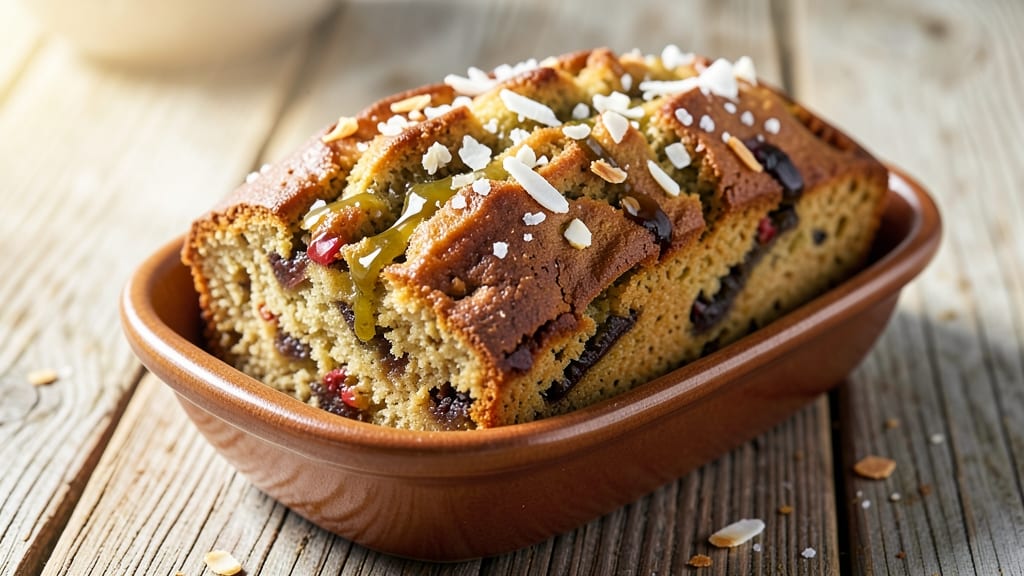
This African banana bread recipe transforms ripe plantains into a moist, spiced loaf that blends sweet tropical notes with warm cinnamon and nutmeg—perfect for breakfast or dessert. 🌟 The secret lies in blending plantains with traditional bananas for texture and depth, while coconut milk adds richness without overpowering the natural sweetness.
Unlike classic banana bread, this version incorporates African spices like cardamom and ginger, creating layers of flavor that linger with every bite.
The recipe delivers a foolproof method for achieving a tender crumb and golden crust, even for beginners. With just five simple ingredients (plus optional add-ins like nuts or chocolate chips), you’ll bake a loaf that’s moist for days—no dry, crumbly results here.
The plantains caramelize beautifully, adding a subtle caramelized edge that contrasts with the soft interior, while spices infuse warmth throughout.
What makes this recipe stand out is its versatility—whether you’re craving a spiced breakfast loaf or a dessert with tropical flair, this bread adapts effortlessly. Serve it warm with butter, slice it for toast, or pair it with tea for a cozy afternoon treat.
The aroma alone will fill your kitchen with comfort, proving that African-inspired baking can be both authentic and approachable.
Ready in just one hour (including prep and baking), this recipe is ideal for weekend baking or meal prep. The instructions walk you through every step, from mashing the plantains to testing for doneness, ensuring restaurant-quality results at home.
Whether you’re new to baking or a seasoned pro, this loaf will become a staple in your repertoire.
Ingredients for african banana bread
African spices and tropical plantains blend into this moist, fragrant loaf—simple ingredients, bold flavor.
| Ingredient | Amount | Notes |
|---|---|---|
| Ripe Plantains 🍌 | 3 large | Peel and mash thoroughly |
| Ripe Bananas 🍌 | 2 medium | Spotty and soft preferred |
| All-Purpose Flour 🌾 | 3 cups | Sifted for light texture |
| Granulated Sugar 🍚 | 1 ½ cups | Light brown sugar for depth |
| Unsweetened Coconut Milk 🥥 | 1 cup | Full-fat for richness |
| Extra-Virgin Olive Oil 🫒 | ½ cup | For moisture and flavor |
| Large Eggs 🥚 | 2 whole | Room temperature preferred |
| Baking Powder 🧂 | 2 tsp | Aluminum-free preferred |
| Ground Cinnamon 🌿 | 1 ½ tsp | Ceylon preferred for purity |
| Ground Nutmeg 🌿 | ½ tsp | Freshly grated preferred |
| Ground Cardamom 🌿 | ½ tsp | Green pods preferred |
| Ground Ginger 🌿 | ½ tsp | Freshly grated preferred |
| Salt 🧂 | ½ tsp | Fine sea salt preferred |
| Vanilla Extract 🌸 | 1 tsp | Pure Madagascar preferred |
The plantains are the heart of this recipe—look for blackened, ripe ones at Latin or Caribbean markets, or any grocery store with a good produce section. Trader Joe's and Whole Foods often carry them, but if you can't find them, regular bananas work in a pinch. For the coconut milk, full-fat canned versions like Thai Kitchen or Goya give the best texture, but light coconut milk works if that's all you have. The spices? Penzeys or Spicewalla for premium quality, but regular grocery store brands are fine if you're just starting out. Just make sure they're fresh—ground spices lose potency quickly, especially cardamom and ginger. Toast the whole cardamom pods briefly in a dry pan before grinding if you have them—that adds a whole new dimension.
No vanilla extract? Vanilla bean paste or even vanilla sugar works beautifully. Short on cardamom? Substitute with a pinch of clove—it's a common pairing in African baking. The ginger can be fresh or ground, but freshly grated has more punch. For the coconut milk, if you're using the carton version, shake it well before measuring—the cream separates and you want that richness. Want to make this nutty? Add 1/2 cup chopped walnuts or pecans. Chocolate lover? 1/2 cup chocolate chips fold in beautifully. The olive oil matters here too—use something with good flavor, not the cheap, tasteless kind. If you're worried about the bread being too dense, whisk the eggs and sugar together first—that helps incorporate air.
This bread keeps beautifully—3-4 days at room temperature wrapped in foil, or up to 5 days in the fridge. For longer storage, freeze slices wrapped in parchment for up to 3 months. The plantains caramelize as it bakes, so don't overbake—it should pull away from the sides but still be slightly springy. For serving, warm slices in the oven for 10 minutes—the aroma is worth it. Leftovers? Toast with butter or slice thin for French toast. The spices develop more over time, so day-old bread often tastes better than fresh.
Why You'll Love This Recipe
- No Mash Needed: I’ll be real—this recipe skips the whole banana-mashing step. Just slice those ripe plantains and bananas, toss them in the bowl with coconut milk, and let the blender do the work. Less cleanup, same rich texture.
- Caramelized Edge Magic: That crispy, almost toffee-like crust? It’s all thanks to the plantains caramelizing while the coconut milk keeps the inside moist. Honestly, it’s the kind of texture that makes you take a second slice—no guilt.
- Breakfast or Dessert: Serve it warm with a smear of butter for a hearty breakfast or dust it with cinnamon for an after-dinner treat. My kids ask for it both mornings and when they come home from school. (Yes, even on a Tuesday night.)
- Budget-Friendly Stretch: A single loaf feeds my family for days—leftovers toast up perfectly or get sliced into muffins. And since plantains and bananas are often cheaper than regular baking ingredients, this bread is my secret weapon for stretching groceries without sacrificing flavor.
Step-by-step instructions for African banana bread recipe
Master this rich, spice-infused loaf with perfectly balanced plantain and banana sweetness.
👨🍳 Step 1: Prepare the Tropical Fruit Base
Preheat your oven to 350°F and grease a 9x5-inch loaf pan with extra-virgin olive oil. Peel the 3 large ripe plantains and 2 medium ripe bananas, then mash them together in a large mixing bowl until completely smooth. You should have about 2 cups of purée—this forms the heart of your bread's moisture and natural sweetness.
Here's the thing—ripe plantains add a caramelized depth that regular bananas can't match. I like to press the mixture through a fine-mesh sieve to remove any stubborn skin fragments, which ensures a silky texture. Set this mixture aside while you prepare the dry ingredients.
👨🍳 Step 2: Combine Wet and Dry Ingredients
In a separate bowl, whisk together the 3 cups all-purpose flour, 2 tsp baking powder, 1.5 tsp ground cinnamon, 0.5 tsp ground nutmeg, 0.5 tsp ground cardamom, 0.5 tsp ground ginger, and 0.5 tsp salt. Sift the flour mixture directly into the plantain-banana purée to avoid lumps. This spice blend creates that signature African warmth—don't skip measuring carefully.
Next, stir in the 1.5 cups granulated sugar, 1 cup unsweetened coconut milk, and 0.5 cup extra-virgin olive oil until just combined. The coconut milk adds richness while keeping the bread moist, and the olive oil contributes subtle fruity notes. Mix in the 2 whole large eggs one at a time, then add the 1 tsp vanilla extract and combine until smooth.
🥘 Step 3: Bake to Golden Perfection
Pour the batter into your prepared loaf pan and smooth the top with a spatula. Tap the pan gently on the counter to release any air bubbles—this ensures an even rise. Bake for 50-55 minutes until a toothpick inserted in the center comes out clean and the top springs back when pressed.
I know it seems like too long, but trust me—the plantains need that extra time to caramelize properly. If the top browns too quickly, loosely tent with aluminum foil after 30 minutes to prevent over-browning while allowing the center to cook through. The bread should have a deep golden crust with a slightly domed top.
⏰ Step 4: Rest and Serve
Remove the bread from the oven and let it cool in the pan for 10 minutes before transferring to a wire rack. This resting period allows the internal structure to set properly, preventing crumbling when you slice. The bread will shrink slightly as it cools, but it should still maintain a moist, tender crumb.
For best results, slice when completely cool. The plantain-banana combination creates a dense yet tender crumb with pockets of moistness throughout. Serve warm with a pat of butter or a dusting of cinnamon sugar for that classic African touch. Store leftovers wrapped tightly at room temperature for up to 3 days or freeze for longer storage.
Pro Tips For Making African Banana Bread
- MASH THE PLANTAINS FIRST: I learned this the hard way—if you mix in whole plantain chunks, they’ll steam in the oven instead of caramelizing like they should. Peel, slice, and mash them into a smooth paste before adding anything else. That way, the natural sugars break down properly and blend into the batter evenly.
- USE COLD COCONUT MILK: Warm coconut milk loses its creaminess and can make your bread gummy. Grab a can straight from the fridge, shake it hard, and pour it into the batter cold. The contrast in temperature keeps the texture light and the flavor rich—no one will guess you skipped the heavy cream.
- DON’T OVERMIX THE BATTER: This isn’t a cake; it’s a bread. Once you fold in the flour, stop mixing after just 30 seconds. Overworking it turns the plantain into glue, and your loaf will end up dense and tough. A quick stir is all it needs—trust the process.
- BAKE UNTIL GOLDEN, NOT JUST DONE: The plantains and bananas need time to develop that deep caramel color, not just a toothpick test. Bake until the edges are crisp and the top has a rich amber hue—even if it takes 10 minutes past the recipe’s suggested time. That’s when the flavors really sing.
Serving suggestions for this dish
Breakfast Pairings
Start your day with this bread toasted and topped with whipped coconut cream and a sprinkle of toasted coconut flakes. The tropical flavors complement the spiced bread beautifully. For a protein boost, add scrambled eggs or a side of Greek yogurt with honey.
I love pairing it with strong Kenyan black tea—the tannins balance the sweetness perfectly. 🌅
Afternoon Tea Treat
Slice the bread thin and serve with chamomile or rooibos tea for a soothing afternoon pick-me-up. The warm spices in the bread pair wonderfully with the earthy notes of rooibos.
For a decadent touch, spread slices with Nutella or homemade peanut butter, then drizzle with melted dark chocolate. A dusting of cinnamon sugar adds that classic African touch.
Dessert Showstopper
Warm a slice and serve with vanilla ice cream or coconut sorbet for a dessert that feels special but requires no effort. The caramelized plantains create a natural sweetness that contrasts beautifully with the cool cream.
For an extra treat, torch the top with a kitchen torch and sprinkle with toasted sesame seeds—the nutty crunch elevates the dish instantly.
Coffee Companion
Pair this bread with Ethiopian coffee for a flavor journey that mirrors the bread's African roots. The bold, fruity notes of the coffee complement the warm spices and caramelized plantains.
For a modern twist, serve with cold brew and a drizzle of caramel sauce. The contrast of warm bread and icy coffee is surprisingly refreshing.
Gift-Worthy Presentation
Wrap slices in parchment paper tied with twine for a beautiful gift. Add a small jar of homemade jam or a block of dark chocolate for a thoughtful touch.
The bread's rich aroma makes it perfect for holiday gifting. For a festive presentation, dust with powdered sugar and garnish with a cinnamon stick before serving.
Global Fusion Twist
Get creative with global pairings! Serve with Japanese matcha latte for an unexpected but delicious combo. The earthy matcha balances the sweetness. For a Middle Eastern twist, pair with labneh and za'atar—the tangy yogurt and herby spices create a stunning contrast.
The cardamom in the bread ties beautifully with za'atar's sesame and sumac notes.
Nutrition facts
Frequently asked questions
Can I substitute plantains with regular bananas?
Yes, but expect different results! Regular bananas will make the bread sweeter and less dense, with a lighter texture. For the best African-inspired flavor, use 2 extra ripe bananas plus 1 cup mashed sweet potato to mimic plantains' caramelized depth. The spices will still shine, though.
Why does my African banana bread turn out dry?
Overbaking or using too much flour are the most common culprits. Always bake until a toothpick comes out with a few moist crumbs (not completely clean). For extra moisture, add 1/4 cup yogurt or coconut milk to the batter. Store in an airtight container to retain freshness.
What's the best way to store leftovers?
Wrap tightly in plastic wrap or foil and store at room temperature for 2-3 days. For longer storage, slice and freeze in airtight bags for up to 3 months. Reheat slices in a toaster or oven for 5-10 minutes to restore moisture.
Can I make this gluten-free?
Replace the all-purpose flour with a 1:1 gluten-free baking blend (like Bob's Red Mill). Add 1/2 tsp xanthan gum to improve texture. The coconut milk and olive oil will still keep it moist, but expect a slightly denser crumb.
How do I know when plantains are ripe enough?
Look for plantains with blackened, slightly wrinkled skins—they should yield slightly when pressed. The flesh should be soft and slightly sweet, not hard or starchy. If you can't find ripe plantains, overripe bananas** work in a pinch, but the flavor won't be as complex.