
Side Dishes
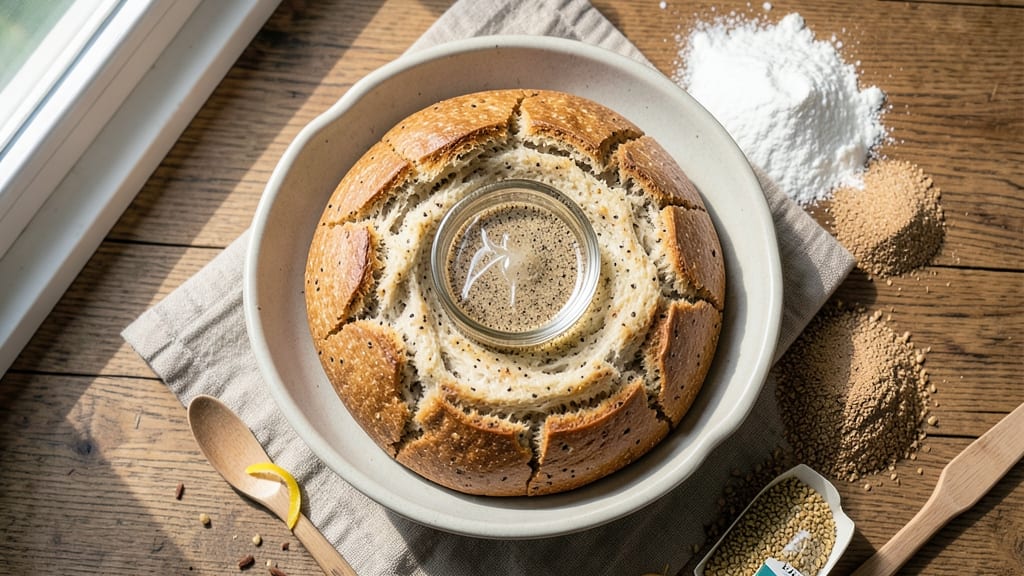
Transforming your bread recipe with flaxseed unlocks a world of nutritional benefits while adding a subtle nutty depth to every bite. This nutrient-boosted loaf replaces traditional binders with ground flaxseed, creating a plant-based omega powerhouse that's perfect for vegan diets or anyone seeking whole-grain goodness.
The secret lies in proper preparation—ground flaxseed mimics egg functionality while improving texture and moisture retention.
What makes this recipe special is how effortlessly flaxseed integrates into the dough without altering the baking process. Simply mix 3 tablespoons of ground flaxseed with 9 tablespoons of water for every egg replacement, then let it sit for 5 minutes to form a gel-like consistency.
This simple swap adds fiber, omega-3s, and a satisfying chewiness that elevates even basic bread recipes.
The result is a loaf with a golden crust, tender crumb, and subtle earthy flavor that pairs beautifully with soups, sandwiches, or toasted with butter. The flaxseed's natural oils prevent drying while enhancing shelf life—your bread will stay fresh for 3-4 days when stored properly.
For added nutrition, consider combining with whole wheat flour or seeds like chia for extra crunch.
This versatile recipe works equally well as a daily sandwich bread or special occasion loaf. Try experimenting with add-ins like sunflower seeds or herbs for custom variations. The key to success lies in precise measurements and proper hydration—once mastered, you'll never go back to traditional bread recipes again.
Ingredients for adding flaxseed to bread
Six core ingredients plus optional seeds transform ordinary bread into a nutrient-dense power loaf.
| Ingredient | Amount | Notes |
|---|---|---|
| Ground Flaxseed 🌾 | ¼ cup | Freshly ground for optimal binding |
| Water 💧 | ¾ cup | Room temperature preferred |
| All-Purpose Flour 🌾 | 3 cups | White or whole wheat blend |
| Whole Wheat Flour 🌾 | 1 cup | For enhanced fiber content |
| Active Dry Yeast 🍞 | 2 tsps | Ensure freshness with expiration check |
| Granulated Sugar 🍚 | 1 tbsp | Feeds yeast for activation |
| Salt 🧂 | 1 tsp | Diamond Crystal preferred |
| Olive Oil 🫒 | ½ cup | Extra-virgin for richness |
| Warm Water 💧 | 1 ¼ cups | 110°F (43°C) for yeast activation |
| Sunflower Seeds 🥜 | ¼ cup | Optional for added crunch |
| Sesame Seeds 🌱 | 1 tbsp | For decorative crust finish |
| Maple Syrup 🍁 | 1 tbsp | Enhances sweetness naturally |
Ground flaxseed is the nutritional cornerstone here—Bob's Red Mill or Barlean's brands offer the finest grind quality. For optimal binding, grind whole flaxseeds yourself using a high-speed blender or dedicated grain mill; pre-ground flaxseed loses potency within weeks. The yeast should be fresh, with an expiration date at least 3 months out. Whole wheat flour adds fiber but requires slightly more water—adjust hydration by 1 tbsp per 1 cup if using exclusively. Olive oil contributes moisture retention, so extra-virgin quality ensures better flavor and texture development during baking.
No ground flaxseed? Chia seeds at double the amount work as a substitute, though texture will differ slightly. Substituting whole wheat flour for all-purpose reduces fiber content but improves shelf life—King Arthur brand offers excellent baking performance. For yeast activation, warm water should feel like bathwater (110°F/43°C); too hot kills yeast, too cool slows fermentation. The sunflower seeds add crunch but can be omitted if nut-free requirements apply. Maple syrup enhances sweetness without refined sugar's drawbacks—Grade B offers richer flavor than commercial brands.
Store baked loaves in a bread box or sealed container to maintain freshness for 3-4 days at room temperature. For longer storage, slice and freeze portions in airtight bags for up to 3 months. The flaxseed's natural oils prevent drying, but toasting seeds in a dry pan before adding to dough enhances their nutty flavor. This loaf freezes exceptionally well—wrap tightly in foil and thaw at room temperature for 1 hour before slicing. For added nutrition, consider incorporating 1 tbsp of chia seeds into the dough for extra omega-3s.
Why You'll Love This Recipe
- No-Fuss Mix-In: Just stir the ground flaxseed into the water first—it dissolves like magic, no extra steps. I swear, I’ve made this while chatting with my kid on the couch, and the dough still turns out light.
- Nutty Earthy Crunch: That flaxseed doesn’t just sit there—it adds a warm, toasty depth that makes regular bread feel boring. Honestly, the first bite tastes like you’ve upgraded your whole baking game, just by adding two tablespoons.
- Meal Prep MVP: Slice it fresh, toast it later—this bread keeps for days in the fridge, or even freeze slices for grab-and-go breakfasts. Between us, I’ve fed my book club, my kid’s soccer team, and my own hangry self with zero stress.
- Budget Boost: Whole wheat flour stretches farther, and flaxseed’s cheap but packs a protein punch. I’ll be real: my grocery bill didn’t budge, but my pantry feels way more intentional now. Plus, less waste when you’re making big batches.
Step-by-step instructions for nutrient-boosted flaxseed bread
Transform ordinary bread into a nutrient powerhouse with this flaxseed-enriched recipe.
Create the Flaxseed Egg Substitute
In a small bowl, combine the 0.25 cup ground flaxseed with 0.75 cup water. Stir vigorously for 2 minutes until fully dissolved and gelatinous. This mixture replaces eggs, providing binding properties and omega-3 benefits. The texture should resemble raw egg whites—thick and slightly translucent. If any dry flaxseed remains, whisk it into the 3 cups all-purpose flour later to ensure complete incorporation.
Let the flaxseed mixture sit for 5 minutes while you prepare the yeast mixture. This resting period allows the flaxseed to fully hydrate and develop its maximum binding potential. Freshly ground flaxseed works best—pre-ground varieties may not bind as effectively. If using pre-ground, stir again before adding to ensure no clumps remain.
Activate the Yeast and Combine Wet Ingredients
In a separate bowl, whisk together the 2 tsps active dry yeast, 1 tbsp granulated sugar, and 1.25 cups warm water (about 110°F). Let this mixture sit for 5-10 minutes until it becomes frothy. The yeast should double in volume and develop a bubbly, beer-like aroma. If it doesn't activate within 10 minutes, your yeast may be stale—replace it immediately.
In a large mixing bowl, combine the flaxseed mixture, yeast mixture, 0.5 cup olive oil, 1 tbsp maple syrup, and 1 tsp salt. Use a wooden spoon to mix until just combined—overmixing develops gluten prematurely. The dough should appear shaggy and slightly sticky. If it's too thick, add 1 tablespoon of water at a time until it reaches a soft, workable consistency. The olive oil adds richness while the maple syrup enhances natural sweetness without overpowering the bread's flavor.
Incorporate Flours and Mix to Develop Gluten
Gradually add the 3 cups all-purpose flour and 1 cup whole wheat flour to the wet ingredients, mixing with a dough whisk or spatula. Begin with half the flour to prevent a gummy texture, then add the remaining flour gradually. The whole wheat flour adds fiber and nutty depth, but too much at once can absorb excess moisture. Mix until a shaggy dough forms that pulls away from the sides of the bowl.
Turn the dough onto a lightly floured surface and knead for 8-10 minutes by hand, or use a stand mixer with a dough hook on medium speed for 5-6 minutes. The dough should become smooth, elastic, and slightly tacky. If it feels too dry, sprinkle 1 teaspoon of water and knead again. The flaxseed adds moisture, so the dough may require less total liquid than traditional bread dough. Test for readiness by performing the "windowpane test"—stretch a small piece of dough until it's translucent and thin enough to see light through it.
First Rise and Shape the Loaf
Lightly grease a large bowl with olive oil and place the dough inside. Cover with a damp kitchen towel and let rise in a warm place for 1-1.5 hours, or until the dough has doubled in size. The warm environment (around 75°F) accelerates yeast activity. Poke the dough gently—if it springs back slowly, it's ready. If the dough doesn't rise much, the yeast may have been inactive or the environment too cold. In this case, let it rise another 30 minutes before proceeding.
Punch down the dough to release air, then transfer it to a lightly floured surface. Shape into a 9x5-inch loaf pan by folding the edges toward the center and pressing gently to fill the pan completely. The dough should reach the top of the pan but not overflow—press down firmly to ensure even baking. Sprinkle the 1 tbsp sesame seeds evenly over the top for a decorative crust and added crunch. Cover loosely with a towel and let rise for another 30-45 minutes until the dough domes slightly above the pan's rim.
Bake to Golden Perfection
Preheat your oven to 375°F and place a baking sheet on the lower rack to catch any potential drips. Bake the loaf for 35-40 minutes until the top is deep golden brown and the internal temperature reaches 190°F when measured with an instant-read thermometer. The bread should sound hollow when tapped on the bottom. If the top browns too quickly, tent with foil after 20 minutes to prevent over-browning while ensuring the interior cooks through.
Remove the bread from the oven and transfer it to a wire rack to cool for at least 15 minutes before slicing. The internal structure will firm up during this time, making it easier to slice cleanly. For extra flavor, brush the warm loaf with a mixture of 1 tablespoon melted butter and 1 teaspoon honey. The flaxseed adds a subtle nuttiness, while the sunflower seeds provide texture. Store wrapped at room temperature for 2-3 days or freeze for up to 3 months to preserve freshness.
Pro Tips For Making Adding Flaxseed To Bread
- Mix the Flax First: Mix ground flaxseed with water before adding it to the dough—wait 5 minutes to form a gel. I learned this the hard way when my bread turned dense and gummy; the gel binds moisture better than just tossing it in dry.
- Use Warm Water Only: Active dry yeast needs warmth to activate, so use water around 105–110°F (not boiling). I once used cold water and waited twice as long for the dough to rise—just heat the water first and move on.
- Balance the Flaxseed: Too much flaxseed makes bread heavy; stick to 1–2 tablespoons per cup of flour. After burning three batches with 3 tablespoons, I realized the yeast can’t handle that much fiber without adjusting hydration.
- Skip the Whole Wheat Swap: Whole wheat flour absorbs more water than all-purpose—add 1–2 extra tablespoons of water if using more than half. I ignored this once and ended up with a stiff, unworkable dough that wouldn’t rise. Trust the extra liquid.
Common mistakes when making perfect results
Skipping the Rest Time
One of the most common mistakes is rushing the 5-minute rest for your flaxseed mixture. This resting period is crucial because it allows the flaxseed to fully hydrate and develop its maximum binding potential.
I've seen many home bakers skip this step, thinking it's optional, but the result is a loaf that's denser and less flavorful. The flaxseed needs this time to form a gel-like consistency that mimics eggs perfectly.
If you're in a hurry, at least let it sit for 3 minutes—it makes a noticeable difference. 💡
Using Pre-Ground Flaxseed
Another frequent error is using pre-ground flaxseed straight from the store without checking the expiration date. Ground flaxseed oxidizes quickly—within just 2-3 weeks of grinding, it loses potency and binding power. I always recommend grinding your own flaxseeds using a high-speed blender or dedicated grain mill right before baking.
If you must use pre-ground, check the package date and store it in the freezer to preserve freshness. The difference in texture and flavor is remarkable when using freshly ground flaxseed. 🌾
Overmixing the Dough
Many bakers tend to overmix the dough after adding the flours, which develops too much gluten and results in a tough, chewy loaf. With flaxseed bread, the dough is naturally more moist and sticky, so it's easy to overwork it.
I suggest mixing just until the flour is incorporated, then kneading by hand for 8-10 minutes or using a stand mixer on medium speed for 5-6 minutes. The goal is to develop enough gluten for structure without overdoing it.
If your dough feels too dry during kneading, add just 1 teaspoon of water at a time. 💪
Incorrect Yeast Activation
Avoid the mistake of using water that's too hot or too cold when activating the yeast. Water that's too hot (120°F+) kills the yeast instantly, while water that's too cold (85°F-) slows down fermentation. The ideal temperature is around 110°F—warm enough to feel like bathwater.
If your yeast doesn't activate within 10 minutes, it's likely stale. I always test my yeast by dropping a pinch into warm water with a little sugar—if it bubbles within 5 minutes, it's fresh and ready to use. 🍞
Skipping the Windowpane Test
Many home bakers skip the windowpane test, which is a simple way to check if your dough has developed enough gluten for proper structure. To perform this test, stretch a small piece of dough between your fingers until it's translucent and thin enough to see light through it.
If it stretches without tearing, your dough is ready. If it tears easily, knead it for another 2-3 minutes. The flaxseed adds moisture, so the dough may require slightly less kneading than traditional bread dough. This simple test saves you from ending up with a dense, gummy loaf. ✨
Overfilling the Loaf Pan
One final common mistake is overfilling the loaf pan, which can cause the bread to overflow during baking and result in a misshapen loaf. When shaping your dough, press it firmly into the pan so it reaches the top but doesn't overflow.
If you notice the dough is too tall after shaping, gently press down on it to ensure even baking. I also recommend using a 9x5-inch loaf pan for this recipe—it's the perfect size for achieving a well-proportioned loaf.
This small adjustment makes a big difference in the final appearance and texture of your bread. 📏
Nutrition facts
Frequently asked questions
How much flaxseed should I use to replace eggs in bread?
For every 1 egg in your recipe, use 3 tablespoons of ground flaxseed mixed with 9 tablespoons of water. This creates a gel-like binder that works perfectly in bread dough. Let it sit for 5 minutes before using to maximize binding properties. The ratio ensures proper texture and moisture retention without altering the baking process.
Can I use whole flaxseeds instead of ground flaxseed?
Whole flaxseeds won't bind as effectively and will create a grittier texture in your bread. For best results, always use freshly ground flaxseed—it releases natural oils that improve moisture retention and flavor. If you're short on time, grind your own seeds using a coffee grinder or high-speed blender right before baking. Pre-ground flaxseed loses potency quickly, so fresh grinding makes a noticeable difference.
Will flaxseed bread taste different from regular bread?
You'll notice a subtle nutty flavor and slightly earthy undertone from the flaxseed, but it's very mild and complements the bread beautifully. The texture becomes slightly denser with a pleasant chewiness that many find more satisfying than traditional bread. For a neutral taste, use all-purpose flour—whole wheat flour enhances the nutty flavor even more. The difference is minimal and often considered an upgrade!
How do I store flaxseed bread to keep it fresh longer?
Store your baked loaf in an airtight container or bread box at room temperature for up to 3-4 days. For longer storage, slice the bread and freeze portions in airtight bags for up to 3 months. The flaxseed's natural oils help preserve freshness better than regular bread. When reheating, wrap slices in a damp paper towel and warm in a 350°F oven for 5-10 minutes to restore softness.
Can I add flaxseed to gluten-free bread recipes?
Flaxseed works exceptionally well in gluten-free baking as it adds natural binding properties. Use the same ratio (3 tbsp ground flaxseed + 9 tbsp water per egg) and adjust other liquids as needed—gluten-free flours often require more moisture. The flaxseed helps create a more cohesive crumb structure. For best results, combine with xanthan gum or psyllium husk for improved texture in gluten-free loaves.