
Desserts
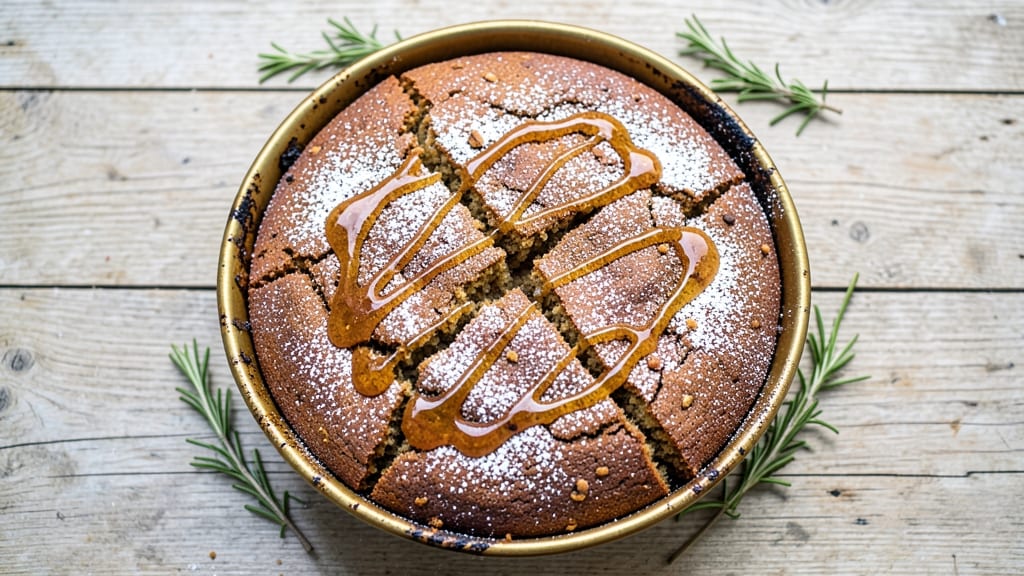
This 8x8 gingerbread cake recipe delivers layers of molten fudgy richness with warm spices that taste like holiday memories. The secret lies in a precise balance of brown sugar and molasses, baked just until the edges set while the center stays gooey—perfect for slicing thick, decadent portions.
Professional bakers know the difference between dense and tender gingerbread, and this method nails it every time.
What sets this recipe apart is the spiced frosting that mirrors the cake's flavors without overpowering them. Made with cream cheese for stability and a touch of cinnamon, it melts into the warm cake layers, creating a texture that's both elegant and indulgent.
The cake itself bakes in 350°F for 25-30 minutes, yielding edges that are just crisp enough to contrast the fudgy interior.
By the time you're done, you'll have a restaurant-quality dessert that's rich with gingerbread aroma and the perfect balance of sweetness and spice. The frosting adds a velvety contrast that makes each bite feel special, while the thick slices are ideal for sharing—or not.
This isn't just a cake; it's a centerpiece that transforms any gathering into a celebration.
Whether you're preparing for a holiday party or simply craving a comforting treat, this recipe delivers foolproof results with minimal fuss. The ingredients are straightforward, the technique is reliable, and the outcome is consistently impressive. Let's get baking—your taste buds will thank you.
Ingredients for 8x8 gingerbread cake
Professional-grade ingredients for a cake that balances fudgy texture and warm spice notes.
| Ingredient | Amount | Notes |
|---|---|---|
| All-Purpose Flour 🌾 | 2 ½ cups | Sifted for even baking texture |
| Light Brown Sugar 🍯 | 2 cups | Packed firmly for moisture |
| Molasses 🍯 | 1 cup | Unsulfured for authentic flavor |
| Granulated Sugar 🍚 | ½ cup | For balanced sweetness |
| Unsalted Butter 🧈 | 1 cup | Room temperature for creaming |
| Large Eggs 🥚 | 2 whole | Room temperature for even mixing |
| Vanilla Extract 🌿 | 1 tbsp | Pure extract for depth |
| Ground Ginger 🌶️ | 2 tbsp | Freshly ground for potency |
| Ground Cinnamon 🍃 | 1 ½ tbsp | Toasted for enhanced aroma |
| Ground Cloves 🌶️ | ½ tbsp | Freshly ground for warmth |
| Ground Nutmeg 🌶️ | ½ tbsp | Freshly grated for brightness |
| Baking Soda 🧂 | 1 tsp | For proper leavening |
| Salt 🧂 | ½ tsp | Fine sea salt for balance |
| Milk 🥛 | ½ cup | Room temperature for smooth batter |
| Cream Cheese 🧀 | 8 oz | Room temperature for frosting |
| Powdered Sugar 🍚 | 3 cups | Sifted for smooth frosting |
| Heavy Cream 🥛 | ½ cup | Chilled for stable frosting |
The molasses and brown sugar are non-negotiable for authentic gingerbread flavor—Grandma's brand or Cumberland molasses delivers the richest depth. For the spices, Penzeys or bulk bins at specialty stores ensure maximum freshness, as ground spices lose potency within months. The butter should be European-style if available, for higher fat content and richer flavor. Sift all dry ingredients together to prevent lumps, which is especially critical for the baking soda and spices. If your kitchen is humid, chill the batter for 30 minutes before baking to ensure proper rise.
No molasses? Dark corn syrup at half the amount mimics the viscosity, though it lacks the depth. Substituting brown sugar with white sugar reduces moisture, so add 1 tbsp extra milk to compensate. For a lighter texture, replace 0.5 cup flour with cornstarch, though traditional gingerbread relies on its hearty structure. The cream cheese frosting can be made ahead—store it in the fridge for up to 3 days, rewhipping before use. If you prefer a lighter frosting, replace 0.25 cup heavy cream with whipped cream, but the original version has a velvety stability that pairs perfectly with the dense cake.
Batter keeps for 48 hours in the fridge, covered tightly—bring it to room temperature before baking. Baked cakes store well at room temperature for 5 days, wrapped in plastic and sealed in an airtight container. For longer storage, freeze slices individually on a tray before transferring to a bag—up to 3 months. The frosting can be piped directly onto the cooled cake or spread with a spatula for a rustic finish. Reheat slices in a 300°F oven for 10 minutes to restore that freshly baked aroma.
Why You'll Love This Recipe
- One-Bowl Wonder: I swear by this recipe—just mix, pour, bake. No fancy techniques, no extra bowls. The molasses and brown sugar do all the heavy lifting while you scrape the pan clean in seconds.
- Spiced Magic: That deep molasses flavor? It’s like a warm hug in cake form. The brown sugar caramelizes just enough to give every bite a buttery, slightly chewy edge—no extra spices needed, but you’ll want to add cinnamon anyway.
- Holiday Any Day: Serve it dusted with powdered sugar for a cozy breakfast, slice it for dessert, or pack it in the fridge for a quick snack. Honestly, it’s my go-to when I need something special without the fuss of a full dessert spread.
- Budget-Friendly Staples: You’re already using pantry basics—flour, sugar, butter—that stretch across recipes. A single cake feeds a crowd or gives me leftovers for days, and the molasses adds that gourmet touch without breaking the bank.
Step-by-step instructions for molten fudgy gingerbread cake
This method delivers rich, fudgy layers with a perfect spice balance every time.
Prepare the Dry Ingredients and Cream Butter and Sugar
In a medium bowl, whisk together the 2.5 cups all-purpose flour, 2 tbsp ground ginger, 1.5 tbsp ground cinnamon, 0.5 tbsp ground cloves, 0.5 tbsp ground nutmeg, 1 tsp baking soda, and 0.5 tsp salt. Sift the mixture once to ensure even distribution of the spices and aerate the flour for lighter layers. Set aside.
In a separate large mixing bowl, combine the 1 cup unsalted butter (room temperature) and 2 cups light brown sugar. Using an electric mixer on medium speed, beat for 3-4 minutes until the mixture is light, fluffy, and nearly doubles in volume. This creaming process incorporates air, which creates the cake's signature tender crumb. Scrape down the sides of the bowl as needed to ensure even mixing.
Incorporate Wet Ingredients and Molasses
Add the 2 whole large eggs (room temperature) one at a time, mixing on low speed for 30 seconds after each addition until fully incorporated. The mixture should be smooth and ribbon-like. Stir in the 1 cup molasses and 0.5 cup granulated sugar until fully combined. Molasses adds depth of flavor but can be dense, so mix thoroughly to ensure even distribution.
Gradually add the 0.5 cup milk and 1 tbsp vanilla extract, mixing until just combined. Avoid overmixing at this stage—stop as soon as the dry ingredients are fully incorporated. The batter should be thick but pourable. Here's the thing—molasses is potent, so taste the batter at this point. If it tastes overly sweet, you can reduce the powdered sugar in the frosting later to balance the flavor.
Combine Wet and Dry Ingredients and Bake
With the mixer on low speed, gradually add the sifted dry ingredients to the wet mixture. Mix just until combined—no more than 20 seconds—to avoid developing gluten, which would make the cake tough. The batter should be thick and slightly sticky. Divide the batter evenly between two 8x8-inch pans lined with parchment paper and sprayed with baking spray.
Preheat your oven to 350°F. Bake the cakes for 25-30 minutes, or until a toothpick inserted into the center comes out with a few moist crumbs (not wet batter). The edges should be golden brown, and the tops should spring back slowly when gently pressed. Rotate the pans halfway through baking for even heat distribution. If the tops brown too quickly, tent loosely with foil to prevent over-browning while ensuring the centers cook through.
Prepare the Spiced Frosting
While the cakes cool, prepare the frosting by beating the 8 oz cream cheese (room temperature) and 1 cup unsalted butter (room temperature) together until smooth and creamy. Gradually add the 3 cups powdered sugar, mixing on low speed until fully incorporated. Add the 0.5 cup heavy cream and mix until smooth. The frosting should be thick but spreadable—if it's too stiff, add 1-2 tablespoons milk to loosen it.
For extra flavor, whisk in 1 tsp vanilla extract and 1 tsp ground cinnamon. Taste and adjust the spice level if needed—gingerbread frosting should complement the cake's warmth without overpowering it. The frosting should be cool but not cold when applied to ensure it sets properly on the slightly warm cake layers.
Assemble and Chill the Cake
Once the cakes have cooled completely (about 1 hour), level the tops if necessary using a serrated knife. Place the first cake layer on a serving plate and spread a generous layer of frosting over the top. Top with the second cake layer and press down gently to create an even surface. Frost the entire cake, then smooth the sides with an offset spatula for a polished finish.
Chill the cake in the refrigerator for at least 2 hours before serving. This ensures the frosting sets firmly and allows the flavors to meld. The cake will keep well in the fridge for up to 5 days, though I find it's best enjoyed within the first 2 days when the gingerbread is at its peak fudgy texture. For serving, dust with an additional 1-2 tablespoons powdered sugar for a decorative touch.
Pro Tips For Making 8x8 Gingerbread Cake
- MEASURE MOLASSES LIKE A PRO: Pour molasses into the measuring cup first, then level it off—it’s thicker than you think. I learned this the hard way when my first batch turned out too sweet because I scooped it straight from the bottle.
- CREAM BUTTER AND SUGAR UNTIL PALE: Don’t just mix—beat the butter and brown sugar until the color lightens noticeably. That extra 2-3 minutes makes the cake richer, not greasier (yes, even if you’re impatient like me).
- SKIP THE OVERMIXING TRAP: Once you fold in the flour, stop as soon as it’s just combined. Overmixing develops gluten, and your cake will turn out dense instead of tender—trust the process, even if the batter looks uneven.
- USE A TOOTHPICK TEST: Check for doneness at 25 minutes, not the full 30. A toothpick should come out with moist crumbs, not wet batter—this guarantees a perfect center without drying out the edges.
Make-ahead tips for leftovers
Batter Prep Ahead
Mix the gingerbread batter up to 48 hours in advance and store it in an airtight container in the fridge. The flavors deepen over time, and the molasses mellows slightly, creating a more balanced sweetness.
When ready to bake, let the batter sit at room temperature for 30-45 minutes before pouring into pans—this ensures even distribution and proper rise. I like to prep the batter the night before so I can focus on baking fresh the next day. 💫
Frosting Make-Ahead
The cream cheese frosting can be made up to 3 days ahead and stored in the fridge in an airtight container. When ready to use, simply whip it again until smooth and fluffy—it’ll come back to life beautifully.
For extra convenience, pipe the frosting onto parchment paper, cover it, and refrigerate. Then, once the cake cools, just transfer the frosting layers onto the cake for a clean, professional finish. 🧀
Baked Cake Storage
Once baked and completely cooled, wrap individual 8x8 cake layers tightly in plastic wrap, then place them in an airtight container or resealable bag. Store at room temperature for up to 5 days—the cake will stay moist and fudgy, though the texture softens slightly over time.
For longer storage, freeze the wrapped layers for up to 3 months. Thaw overnight in the fridge before assembling. 🏺
Frosted Cake Assembly
Assemble the cake 1 day before serving if possible. Chilling the frosted cake overnight allows the flavors to meld perfectly and ensures the frosting sets into a smooth, creamy layer.
If you’re short on time, assemble it at least 2 hours before serving—this gives the frosting time to firm up slightly for cleaner slices. For a restaurant-worthy presentation, dust the top with powdered sugar right before serving. ✨
Freezing Fully Assembled
For maximum convenience, freeze the fully assembled cake (including frosting) in an airtight container for up to 2 months. Thaw it in the fridge overnight, then bring to room temperature for 30 minutes before serving.
The frosting may soften slightly during thawing, but a quick whip with a hand mixer restores its texture. This is my go-to method for holiday parties—I bake and freeze the cake weeks in advance, then assemble it just before guests arrive. 🎄
Reheating Slices
If you’ve stored slices individually, reheat them in a 300°F oven for 10-12 minutes or until warmed through. For a quicker option, microwave slices on 50% power for 20-30 seconds, then cover with a damp paper towel to restore moisture.
Reheating brings back that freshly baked aroma and fudgy texture—perfect for late-night cravings or impromptu dessert parties. 🔥
Nutrition facts
Frequently asked questions
Can I make this gingerbread cake in a 9x13-inch pan instead?
Yes, but you'll need to adjust the baking time and technique. For a 9x13-inch pan, reduce the oven temperature to 325°F and bake for 35-40 minutes. The larger surface area requires lower heat to prevent over-browning. Divide the batter evenly and bake in the center rack for consistent results. The cake will be thicker, so check doneness with a toothpick at the center.
How do I prevent my gingerbread cake from drying out?
Moisture is key! First, ensure all ingredients (especially butter and eggs) are at room temperature. For extra moisture, brush the warm cake layers with 2 tablespoons of warm molasses before frosting. Store baked layers in an airtight container with a slice of bread or apple to absorb excess dryness. Reheat slices in a 300°F oven for 10 minutes to restore fudgy texture.
Can I substitute molasses with something else?
You can, but expect a different flavor profile. Use ¾ cup dark corn syrup + ¼ cup water for similar moisture, though it lacks molasses' deep complexity. For a lighter sweetness, try ½ cup honey + ½ cup brown sugar, but reduce the granulated sugar in the recipe by ¼ cup to balance. The cake will still be delicious but won't have that classic gingerbread character.
Why does my gingerbread cake sink in the middle?
This usually happens from overmixing or underbaking. First, ensure you're mixing the batter just until combined—no more than 20 seconds after adding dry ingredients. Second, bake until a toothpick comes out with moist crumbs (not wet batter). If your oven runs hot, reduce the temperature by 25°F and tent with foil after 20 minutes. For extra support, add ½ tsp xanthan gum to the dry ingredients.
How can I make this cake gluten-free?
Replace the all-purpose flour with a 1:1 gluten-free baking flour blend (like Bob's Red Mill or King Arthur). For best results, add ½ tsp xanthan gum to the blend to improve texture. Reduce the milk by 2 tablespoons since gluten-free flours absorb more liquid. Also, chill the batter for 30 minutes before baking to prevent excessive spreading. The cake will be slightly denser but still delicious!